





Living in Cyprus is about more than adjusting to a new climate – it’s about building a life that works day to day. Whether you’re relocating for work, retirement or simply a change of pace, making that life comfortable and fulfilling takes planning, curiosity and local insight.
This article brings together everything you need to understand the practical side of living in Cyprus. From healthcare and education to furnishing your home, learning the language and managing your move, these resources are here to support you as you settle in. Wherever you’re starting from, this is your place to begin.
Contents
Everyday living in Cyprus
Settling into everyday life takes more than unpacking your boxes. Understanding Cypriot culture can help you navigate local customs, build connections and feel more at home, while embracing the food of Cyprus is one of the most enjoyable ways to get to know your new surroundings.
Getting familiar with shopping in Cyprus will also make day-to-day routines easier – from markets and supermarkets to sourcing everyday essentials. If you’re planning to stay long term, learning the language in Cyprus can open doors both practically and socially, helping you feel more confident in local life.
Transport is another key part of adapting, and our guide to transport in Cyprus explains how to get around by car, bus or on foot. And while relocating can be a rewarding experience, it’s natural to have moments of doubt – our article on homesickness after moving to Cyprus offers support and strategies for finding your footing emotionally as you settle in.
A head start for British movers
For British people looking to live in Cyprus, there are already advantages. You’ll notice as soon as you leave the airport that they drive on the left, for example.
Cyprus also uses UK-style electrical plug sockets. Not the most important thing, maybe, but an indication of the British influence that stems from a shared history and the presence of British military bases there.

When it comes to the legal system, again, Cyprus is a little oasis of British influence, despite being only 130 miles from the Middle East but 2,000 miles from London. Its laws, including property laws, are based on the English system.
So the legal process for buying in Cyprus will be familiar. For a closer look at the purchasing process, claim your free copy of Cyprus Buying Guide:
Download your Cyprus Buying Guide
Practicalities of setting up home
Once you’ve secured your property, the focus shifts to making it liveable. If you’re relocating from abroad, knowing how to move your belongings to Cyprus can help you plan shipping, customs and delivery with confidence, avoiding unexpected delays or costs.
When it comes to settling in, you’ll want your home to feel like your own. Our guide to how to furnish your home in Cyprus covers everything from where to buy furniture to how to furnish efficiently if you’re starting from scratch.
It may seem a long way to take all your possessions, but if it makes the switch to living in Cyprus more comfortable, why not? The economies of scale mean that taking a large container full of white goods and furniture may be as cheap as replacing them with new.
For any work that needs doing – from minor repairs to full-scale renovations – it’s essential to find tradespeople in Cyprus you can trust. Understanding how the local industry works will help you avoid pitfalls and get the job done well.
Working in Cyprus
If you’re planning to build a long-term life in Cyprus, understanding how to work in Cyprus is essential.
British and other non-EU nationals must secure either a work permit or a long-stay visa tailored to professional activity. These typically require a job offer from a Cypriot employer or evidence of self-employment. If you plan to work remotely for a company outside Cyprus, you may qualify for the Digital Nomad Visa, which as of 2025, allows third-country nationals to live and work online from Cyprus for up to a year, with the option to renew.
For British people considering a move to a low-tax environment such as Dubai, living in Cyprus may be a good compromise. It’s considerably less flight time and arguably less of a culture shock.
Learning in Cyprus
With a thousand or so British service personnel in Cyprus, some with families, international children are exceptionally well catered for.
Moreover, traditionally Cyprus was a good family base for male employees on contracts in the Middle East who did not wish to take their families.
There are plenty of international schools in Cyprus. Choosing the right school is a key part of planning the move. Whether you’re looking at local state schools or private international options, our guide to how to find schools in Cyprus will help you navigate the education system with confidence.
Living healthy in Cyprus
Healthcare is another important foundation. Again, Cyprus has good public and private healthcare. Legal residents will be able to to use the General Healthcare System (GHS), known locally as GeSY.
Cyprus has a life expectancy of 82 years, which is slightly ahead of the UK and US. While the effects of a healthy Mediterranean diet are well known, the quality of the health service is also a factor.

Our article on how to access healthcare in Cyprus outlines the difference between public and private care, how to register with the national health service and what to expect in terms of cost and coverage.
Leisure and lifestyle
Life in Cyprus isn’t just about settling in – it’s about enjoying what the island has to offer.
Whether you’re drawn to the sea, the mountains or something more social, there’s no shortage of ways to stay active and connected. Our guide to sports and leisure activities in Cyprus explores everything from walking trails and watersports to local clubs and cultural pursuits, helping you make the most of your free time in your new home.
At the time of writing, Paphos FC are about to play Chelsea in the Champions League, and this is a football mad country.
But as well as watching sport, you will have many opportunities to play too. There are golf courses, including the sensational Minthis Hills course – where you can buy a luxury property too – and tennis clubs galore.
Watersports will feature heavily, and Cyprus has been building some sensational marinas including at Limassol. There are also several exciting wreck sites to dive. In winter the only people swimming in the sea will be the British, but with the seas here the same temperature in January as in Bournemouth in July, can you blame us!
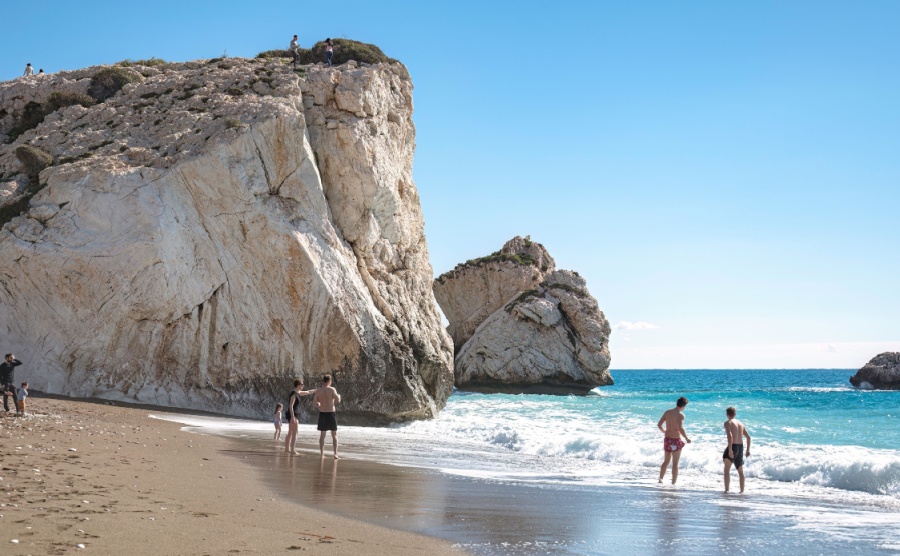
Cycling is another popular sport, especially in winter, and when the snow falls in the Troodos Mountains the whole of Cyprus seems to pop up for a bit of skiing.
When the flowers bloom in the spring the hills come alive with the sounds of hikers.
The cost of living in Cyprus
Living costs in Cyprus are generally lower than in countries such as the UK, USA, France, Australia and New Zealand. The island ranks among the more affordable places surveyed by Property Guides.
Everyday essentials like groceries tend to be cheaper, while home-related products and some imported goods may cost more. Travel and transport pricing varies, and housing expenses are influenced by location.
Overall, Cyprus offers competitive pricing for food, services and healthcare, helping reduce day-to-day living costs for residents and expats compared with several Western European alternatives.
In summary, living in Cyprus
It may be a relatively small island but it packs a lot into an area half the size of Wales. You’ll find it easy making friends in Cyprus and never be short of something to do.
If you’re still weighing up your options, our guide to where to buy property in Cyprus explores the island’s most popular regions, from coastal resorts to quieter inland towns. When you’re ready to take the next step, our article on how to buy property in Cyprus walks you through the process – from legal checks to financial planning.
For tailored guidance for your move, you can book a free consultation with a property expert at any time.
FAQs about living in Cyprus
There are no trains in Cyprus, for now (there are plans) and while there are buses, cars and taxis are more common. Our guide to transport in Cyprus explains the pros and cons of driving, using public transport and walking, so you can plan accordingly.
Shipping personal items to Cyprus requires customs paperwork, timing and sometimes professional removals help. Find out more in our guide on how to move your belongings to Cyprus.
Yes – many expats live and work in Cyprus. Our article on how to work in Cyprus outlines everything from visas to employment rights and registering with the authorities.
Healthcare in Cyprus is delivered through both public and private systems. To access the public system, you’ll usually need to register. Learn more in our guide on how to access healthcare in Cyprus.
Relocation always involves a period of adjustment. Learning about Cypriot culture, understanding local customs and managing homesickness after moving to Cyprus can help you feel settled sooner.
Yes – Cyprus offers both public and private education. Our guide to finding schools in Cyprus helps you understand the system and what to consider when choosing the right school.