



Moving to France is one of those rare decisions that feels both thrilling and slightly terrifying in equal measure. You’ve found the right property, sorted the visa and signed the paperwork – but now comes the practical question every buyer faces: what should you actually take with you?
The answer has changed since Brexit. Customs rules, duty-free allowances and documentation requirements all look different in 2026, and getting them wrong can mean delays at the border or unexpected charges. This guide covers what’s worth shipping, what you’re better off buying locally and the paperwork you’ll need to bring it all through French customs.
In short: If you’re moving full-time and have lived in the UK for at least 12 months, most of your household belongings can enter France duty-free – provided you meet the documentation requirements and your items have been in your possession for at least six months. Second-home owners face different rules. New items under six months old attract 20% French VAT and a 10% customs duty.
Contents
The customs rules you need to know
Since the UK left the EU, personal belongings shipped from Britain to France must clear French customs. This applies whether you’re using a removal company or driving a van yourself.
The good news is that full-time movers qualify for a complete exemption from both customs duty and French VAT on personal possessions. The exemption – formally known as the “franchise de déménagement” – is governed by EU Council Regulation 1186/2009 and transposed into French law under the Code des Douanes.
To qualify, you must meet all four conditions:
- You have lived outside the EU for at least 12 consecutive months
- Your belongings have been in your personal use for at least six months
- Everything arrives in France within 12 months of your move date
- You don’t sell, lend or rent out the imported items for 12 months after arrival
If you meet these criteria, both the standard 10% customs duty and 20% French VAT are waived entirely. Your removal company will manage the customs declaration, but you’ll need to supply the documentation.
Around 10% of shipments are physically inspected at ports like Le Havre or Marseille. If you’re selected, customs officers will cross-check your belongings against the inventory you’ve submitted.
Documents and paperwork to bring
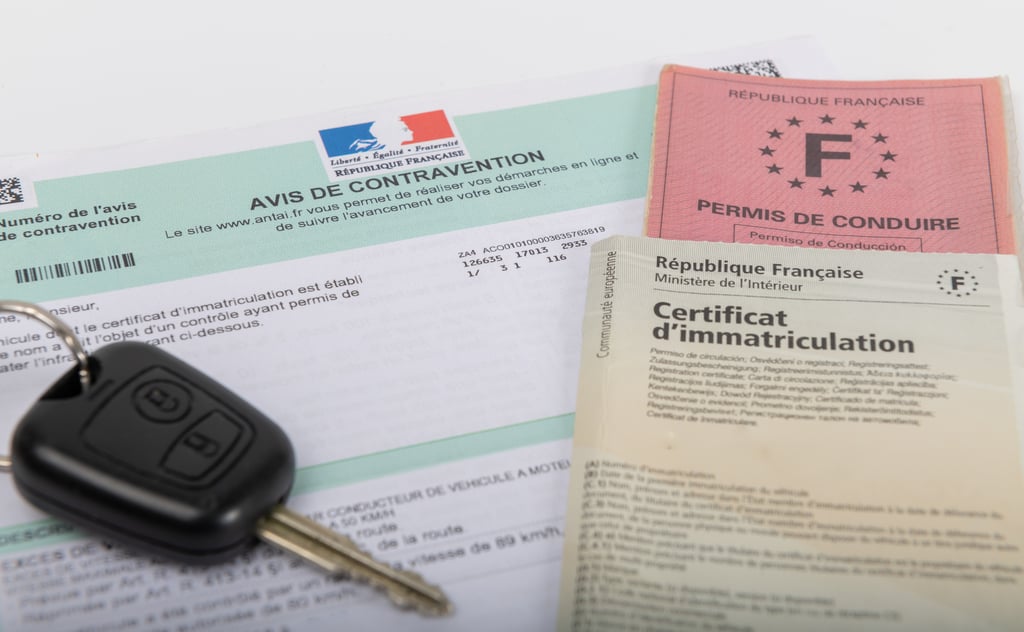
French customs require a specific set of documents. Missing even one can hold up your entire shipment at the border – so it’s worth preparing these well in advance. For a broader look at the administrative side of relocating, our guide to settling into France after moving abroad covers the full range of tasks you’ll face on arrival.
You’ll need:
- A detailed, itemised inventory of every item being shipped, written in French, with estimated second-hand values (dated and signed, in two copies)
- Cerfa form 10070 (the official declaration for duty-free entry of personal property from non-EU countries)
- Your passport
- Proof of UK residence for the past 12 months – utility bills, council tax statements or a tenancy agreement
- Proof of your new French address – a property deed (acte de vente), rental contract or attestation from your mairie
- A certificat de non-cession – a signed statement confirming you won’t sell the imported items within 12 months
Beyond customs paperwork, there are personal documents you should carry separately rather than pack in boxes:
- Birth and marriage certificates (with sworn French translations – these are different from standard translations and must be done by a traducteur assermenté)
- Your long-stay visa or carte de séjour
- UK driving licence
- Medical records and a letter from your GP listing current prescriptions (using international generic drug names, not UK brand names)
- Insurance documents – both travel and your French property insurance
- Financial records – recent bank statements, pension documents and any tax paperwork
Keep originals in a carry-on bag. Removal companies recommend photographing or scanning everything as a backup.
Key documents for French customs
- Itemised inventory in French with estimated second-hand values (dated, signed, two copies)
- Cerfa form 10070 – declaration for duty-free entry of personal property
- Passport
- Proof of UK residence for 12+ months (utility bills, council tax, tenancy agreement)
- Proof of French address (acte de vente, rental contract or mairie attestation)
- Certificat de non-cession (signed statement confirming no resale for 12 months)
Missing any one of these can hold up your entire shipment at the border. Prepare them at least three months before your move date.
Household items worth shipping
Not everything in your UK home is worth the cost of international shipping. Focus on items that are expensive to replace, hard to find in France or have sentimental value. If you haven’t chosen your French property yet, our region-by-region guide to buying in France can help you narrow down where you’re heading – which will shape what you need to bring.
Furniture is often worth bringing. Solid wood pieces, quality sofas and beds can be pricier in France, particularly outside major cities. Many buyers we help find that good second-hand furniture is harder to source in rural areas. French interiors also tend toward a different aesthetic – if you love your existing furniture, bring it.
Bedding and linen travel well and are worth including. French bed sizes differ slightly from UK standard sizes (a French double is 140 cm wide versus 135 cm in the UK), so your existing fitted sheets may need replacing eventually, but duvets, pillows, throws and towels are all worth packing.
Books, artwork and personal items – anything irreplaceable or with sentimental value should go in the shipment. These are exactly the kind of belongings the duty-free exemption was designed for.
Tools and DIY equipment deserve a mention. If you’re planning any renovation work on your French property, quality hand tools and power tools from UK brands are often cheaper and easier to source at home. Screws, fixings and door furniture also tend to be less expensive in the UK. One caveat: professional-grade tools or excessive quantities may trigger questions from customs officers about commercial use.
Garden equipment – lawnmowers, strimmers and hand tools – are all worth bringing if you have space in the shipment.

What to leave behind (or buy in France)
Some items cost more to ship than they’re worth, and others are simply better bought locally.
Large kitchen appliances are a borderline case. French kitchens often use different plumbing connections and gas fittings, so a UK washing machine or dishwasher may need professional adaptation. Freestanding fridges and freezers usually travel fine, but built-in units rarely fit French kitchen configurations. In our experience, many buyers find it simpler to buy these new in France.
Mattresses are bulky, expensive to ship and have a limited lifespan. French mattress retailers stock good quality options and will deliver – often for free – to rural addresses.
Flat-pack furniture from budget retailers rarely survives an international move. If it wobbles in your UK home, it won’t improve after 800 kilometres in a removal van.
Excess crockery and kitchenware – be ruthless. French kitchenware is excellent and widely available. Supermarkets, brocantes (second-hand markets) and specialist shops all stock what you’ll need. Bring your favourite items, but there’s no need to ship 30 mugs.
| Worth shipping | Better bought in France |
|---|---|
| Solid wood furniture and quality sofas | Large kitchen appliances (washing machines, dishwashers) |
| Bedding, duvets, towels and linen | Mattresses |
| Books, artwork and personal items | Flat-pack furniture |
| Hand tools and power tools | Excess crockery and kitchenware |
| Garden equipment (mowers, strimmers) | Broadband routers and TV boxes |
| Small electricals (kettles, lamps, chargers) | Built-in kitchen units |
| Favourite British food items | Fresh food and perishables |
Electrical items and appliances
Here’s the good news: the UK and France both run on 230 volts at 50 Hz. Your UK appliances will work perfectly in France – the only difference is the plug.
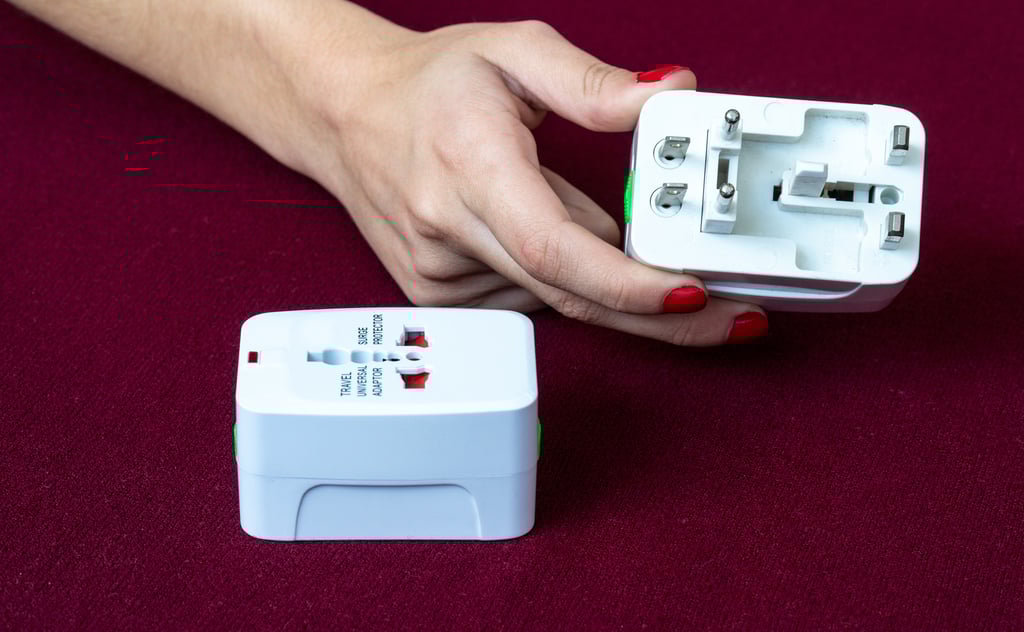
France uses Type E sockets (two round pins with a grounding pin built into the socket). You’ll need a simple plug adaptor for every UK appliance, or you can rewire plugs with French-standard replacements. Adaptors cost around £1–2 each, and it’s worth buying a box of 20 before you leave.
A few things to watch for:
- UK-format TVs work fine with French Freeview, but you’ll lose access to UK Freeview channels (an IPTV box or VPN streaming service solves this)
- Electric ovens and hobs sometimes need hardwiring by a French electrician due to different plug configurations for high-power appliances
- Broadband routers from UK providers won’t work with French internet connections – you’ll get a new box from your French ISP (Orange, SFR, Bouygues or Free). Our guide to connecting utilities in France covers internet setup in detail
In short, bring your small electricals – kettles, lamps, hair dryers, laptop chargers – and buy adaptors. For large items, check the connections before committing to shipping them.
Medication and prescriptions
If you take regular medication, planning ahead is essential. France has an excellent pharmacy system, but switching prescriptions across borders takes time. Our guide to accessing French healthcare explains how to register with the system once you arrive.
What you can bring: up to three months’ supply of personal medication, in its original packaging, accompanied by a prescription or doctor’s letter. Use generic (international non-proprietary) names rather than UK brand names on prescriptions – your French pharmacist or GP will need to identify the equivalent.
Controlled substances (such as codeine, diazepam, morphine-based painkillers and methylphenidate) are subject to stricter limits. For supplies exceeding one month, you may need an export licence from the UK Home Office. Apply at least 10 working days before travel.
Practical tips: ask your UK GP for a detailed letter listing every current medication, dosage and diagnosis. This is invaluable when registering with a French médecin traitant (your assigned GP). Many common UK brands have direct French equivalents, but some don’t, so expect your French doctor to adjust prescriptions.
Stock up on any UK-specific over-the-counter products you rely on – certain cold remedies, antihistamines and skincare products differ between the two countries. Pharmacies in France are excellent but operate differently: most items that are sold off the shelf in UK supermarkets require a pharmacist’s recommendation in France.
“Ask your UK GP for a detailed letter listing every current medication, dosage and diagnosis – using generic drug names, not UK brands. This single document is invaluable when registering with a French doctor.”
Pets
Most buyers who move to France take their pets, and the process is manageable with the right preparation. We cover the full process in our dedicated guide to taking your pets to France.
As of March 2026, UK pets entering France require an Animal Health Certificate (AHC) issued by an Official Veterinarian. The certificate is valid for a single entry, must be issued no more than 10 days before travel and typically costs £150–250 per animal. Your pet also needs an ISO-compliant microchip and a valid rabies vaccination with a 21-day wait after the primary dose.
A development worth watching: the May 2025 UK–EU Leaders’ Summit agreed in principle to reclassify the UK as a “Part 1 listed country,” which would reinstate something close to the old EU pet passport system. Implementation details and a start date haven’t been confirmed yet, but this could simplify pet travel considerably once finalised. For now, the AHC process remains the requirement. The latest guidance is available on the UK government’s pet travel page.
If you’re using a ferry or the Eurotunnel, book pet-friendly crossings early – spaces are limited, particularly in summer.
Food and drink
This is where the original Property Guides article struck a chord – and for good reason. Many buyers worry about missing their favourite British products.
The honest answer: France’s food is exceptional, and most people adjust quickly. Local markets, boulangeries, fromageries and charcuteries will become part of your routine. Our guide to French food and drink covers what to expect from daily life in the kitchen. Fresh produce is seasonal, affordable and often better than what you’re used to from UK supermarkets.
That said, there are British staples that are genuinely hard to find in rural France. It’s worth packing a supply of:
- Tea bags (PG Tips and Yorkshire Tea are available in some French supermarkets now, but not reliably outside tourist areas)
- Marmite, HP Sauce and English mustard
- Biscuits – French supermarkets stock their own versions, but digestives and custard creams remain a British speciality
- Baked beans – Heinz are available in larger French supermarkets, but at a premium
- Christmas puddings and mincemeat (seasonal items that are virtually impossible to source in France)
Bear in mind: personal food items for your own consumption are generally fine to bring in your luggage or removal van. Large quantities may attract customs attention, particularly alcohol and tobacco, which have strict duty-free limits (42 litres of beer, 4 litres of wine and 1 litre of spirits per person aged 17+).

Second-home owners: a different set of rules
If you’re furnishing a second home rather than relocating permanently, the customs rules are less generous. The French customs authority (Douane) is clear on this distinction.
The duty-free exemption for personal belongings does not apply to second homes. Items shipped to a résidence secondaire are subject to the standard 10% customs duty and 20% French VAT on their declared value.
However, when you travel to your French property in person, you can bring personal effects in your luggage without declaration – provided they’re reasonable for a traveller. A suitcase of clothes, a few books and some kitchen items won’t raise eyebrows. Furniture, tools or large quantities of goods will.
In practice, many second-home owners furnish their properties by buying in France – brocantes, Emmaüs (the French charity shop chain) and Le Bon Coin (the French equivalent of Gumtree) are all excellent sources. If you’re looking for affordable property in France, keeping furnishing costs low by buying locally makes good financial sense.
Second-home owners: customs at a glance
- The duty-free exemption does not apply to second homes
- Shipped items attract 10% customs duty + 20% French VAT on declared value
- Personal effects carried in your luggage as a traveller are generally fine – provided quantities look reasonable
- Furniture, tools or large shipments must be declared and will be taxed
- Many second-home owners furnish locally via brocantes, Emmaüs and Le Bon Coin
What should I do next?
If you’re planning a move to France, start by creating your itemised inventory early – ideally three to four months before your move date. This gives you time to identify what’s worth shipping, get quotes from removal companies and prepare the customs paperwork.
For help with the financial side of your move, including managing currency transfers and essential payments in France, speak to a currency specialist at Smart Currency Exchange. Many buyers we help save thousands of pounds by planning their transfers in advance.
You can also explore our guide to the French buying process and costs of buying property in France for a full picture of what to expect. If you’re still choosing a location, our region-by-region guide to buying in France covers every corner of the country. And for a comprehensive overview of day-to-day life after the move, read our complete guide to living in France.
Summary
Moving from the UK to France involves more customs paperwork than it did before Brexit, but the process is straightforward once you understand the rules.
Full-time movers who have lived in the UK for 12 months or more can import their personal belongings duty-free – provided they meet the ownership and documentation requirements. Electrical items work on both sides of the Channel with a simple adaptor.
Medication needs advance planning, and pets require an Animal Health Certificate.
The biggest practical decision isn’t what you can bring, but what’s genuinely worth shipping versus buying fresh in France.
Not if you’re relocating full-time and have lived in the UK for at least 12 months. Your personal possessions qualify for a complete exemption from customs duty and VAT, provided they’ve been in your use for six months, arrive within 12 months of your move and you don’t sell them for a year after import.
Yes. Both countries use 230V at 50Hz, so your appliances will work with a simple plug adaptor. France uses Type E sockets (two round pins). Buy adaptors in the UK before you leave – they’re cheap and widely available.
You’ll need an itemised inventory in French with estimated values, Cerfa form 10070, your passport, proof of UK residence for 12 months, proof of your French address and a signed statement confirming you won’t resell imported items.
You can bring up to three months’ supply for personal use, in original packaging, with a prescription or GP letter. Controlled substances are limited to one month’s supply and may require a Home Office export licence.
Yes. The duty-free exemption applies only to people relocating their primary residence. Items shipped to a second home are subject to 10% customs duty and 20% French VAT.