



When buying an overseas property, there are many decisions to make. One of the biggest is whether to go for a brand-new home or a lived-in resale. In this guide, we’ll explain the difference to help you work out which is the best option for you.
If you’ve spent any time scrolling through property listings recently, you’ve probably noticed a rising number of new-build – or “off-plan” – homes appearing alongside traditional resales. That’s partly because developers in many countries are launching more projects again, and partly because today’s buyers are increasingly open to choosing something modern, efficient and built to current standards.
Even so, resale homes remain hugely appealing for their character, established neighbourhoods and the fact that you can usually move in much sooner. This can make it tricky to know which path to take. In this article, we look at the pros and cons of each to help you feel confident, supported and well-informed as you take your next steps towards buying abroad.
Contents
- What is an “off-plan” property?
- What does buying off-plan actually involve?
- Why off-plan appeals to today’s overseas buyers
- What are the benefits of buying a resale property?
- Legal safeguards and how to protect yourself when buying overseas
- How do finance, payment schedules and currency risk work when buying abroad?
- How do you decide between a new build and a resale property?
- Summary
- FAQs
What is an “off-plan” property?
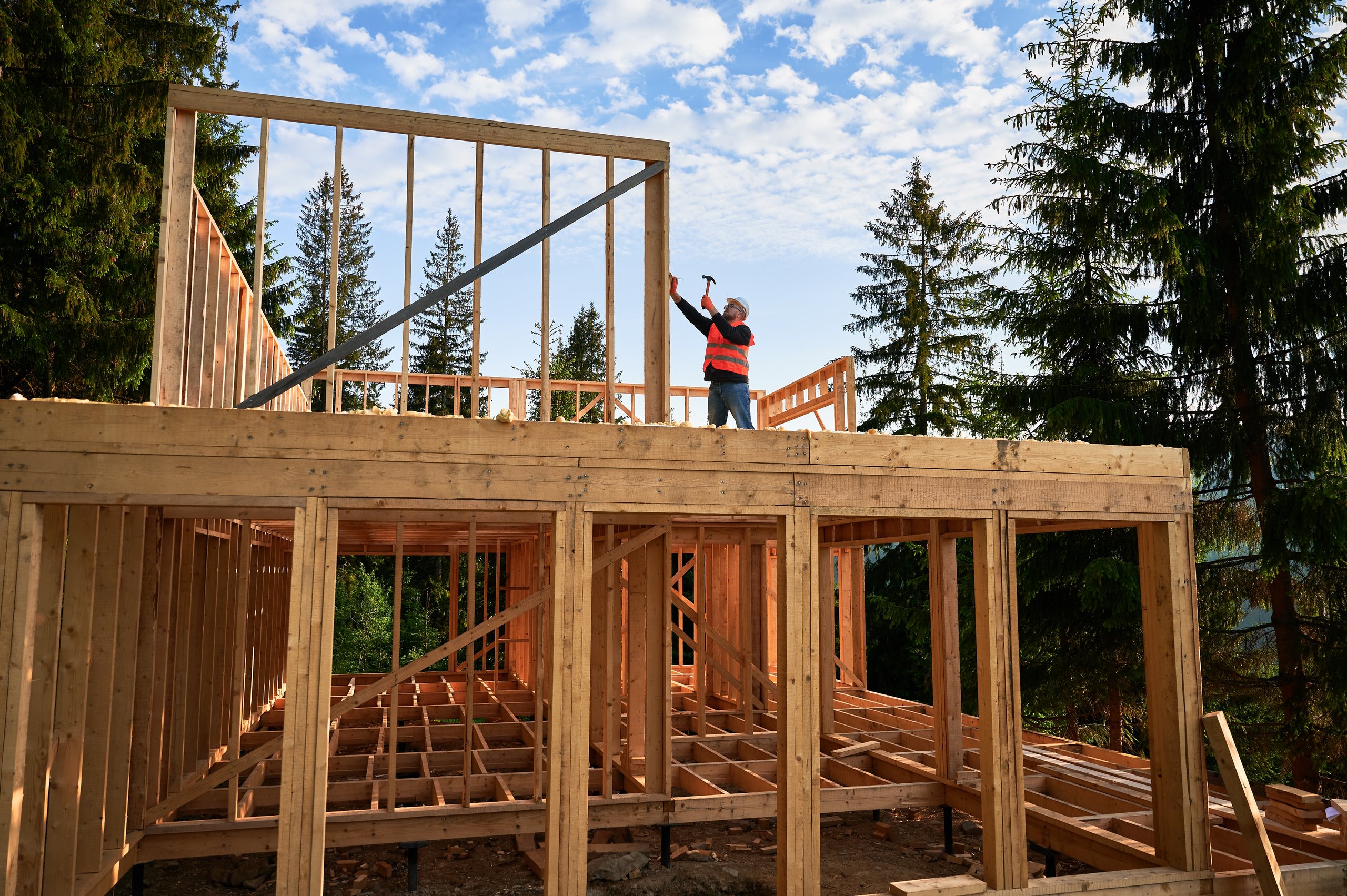
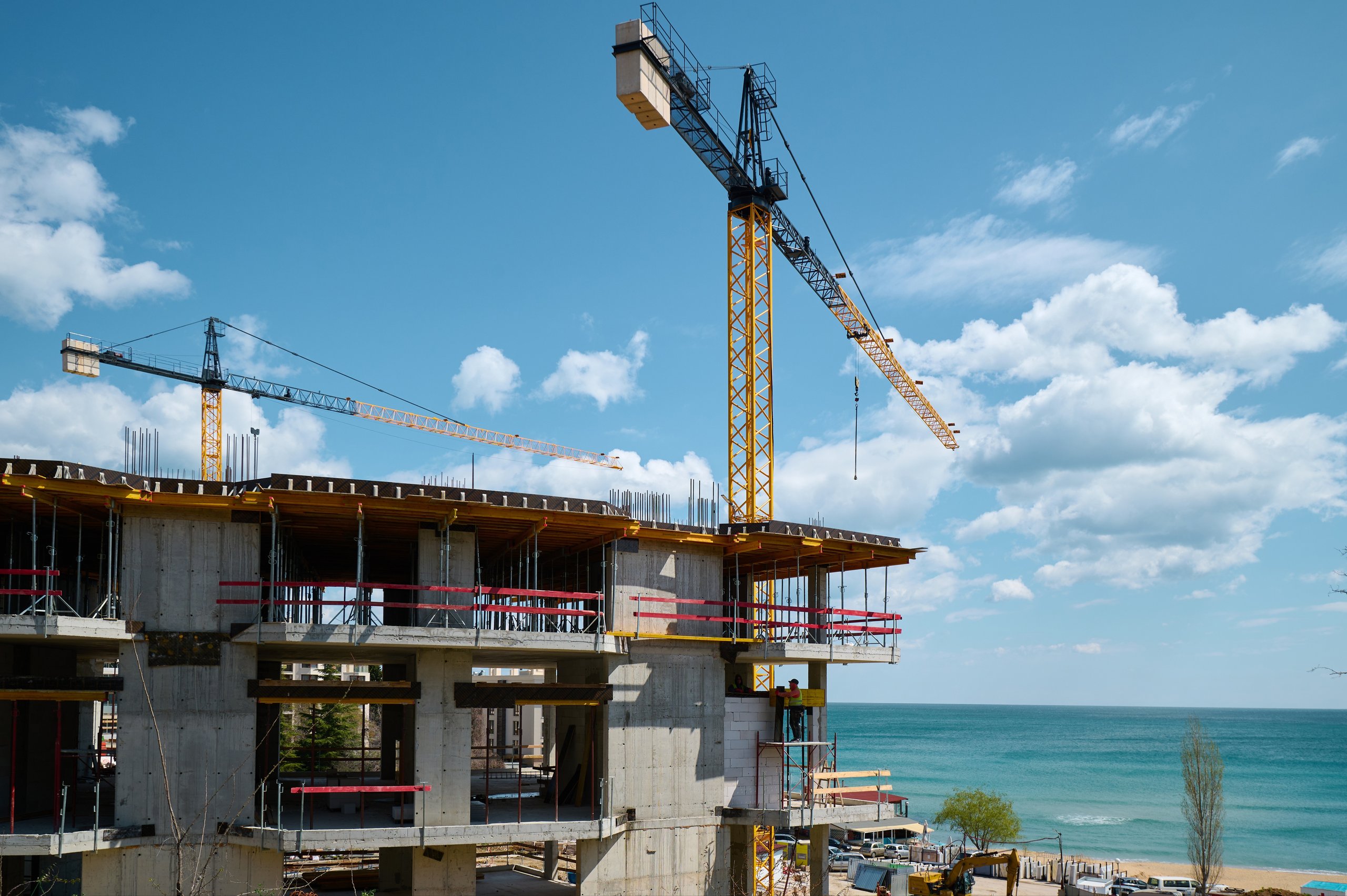
Buying off-plan means reserving a property that hasn’t been finished yet – sometimes it’s still just foundations and drawings. You’re usually buying in a development, resort or apartment block, with staged payments spread over one to two years (sometimes longer).
Buying a resale property means purchasing a home that already exists and has had at least one previous owner. It might be only a year old, or it might be decades old, but you can walk around it, test the water pressure and get a feel for the neighbours before you commit.
In many countries – especially Spain, Portugal and Cyprus – off-plan buying has become increasingly common, as more developments come onto the market and buyers grow more comfortable with the process. Stronger consumer protection, higher build standards and the appeal of energy-efficient homes have all helped. At the same time, planning rules and a shortage of central land mean a lot of new developments sit on the edge of towns, while older resale homes occupy the most established locations. In other words, you’re often choosing not just between “new” and “old”, but between different lifestyles.
What does buying off-plan actually involve?
When you buy off-plan, the process typically looks something like this:
- Choose the development and unit
You’ll visit the site, a show home and the surrounding area. Often you can pick your preferred orientation, floor, size and layout before everything sells out.
- Pay a reservation fee
This small deposit takes your chosen unit off the market for a set period (often 30 days) while your lawyer checks the paperwork.
- Sign the private purchase contract
Once your lawyer is happy, you sign a contract and pay a larger deposit – usually 20–40% of the total price. From this point, you’re committing to the full purchase price.
- Stage payments during construction
Payments are spread through key stages of the build – for example at foundations, structural completion and final completion. A typical schedule might take you to 70–85% of the purchase price by completion, with the final 15–30% paid on handover.
- Snagging and handover
Before you complete, an architect, surveyor or your lawyer’s representative should walk through and create a snagging list of things that need correcting. The developer then corrects any defects before final handover.
In most countries there are strong legal protections for off-plan buyers. Developers are normally required to provide bank guarantees, building insurance and a 10-year structural guarantee, plus shorter guarantees for things like electrics and plumbing. That doesn’t remove all risk, but it does help put your mind at ease.
Why off-plan appeals to today’s overseas buyers

There are several reasons why more overseas buyers drawn to off-plan:
- Potential savings and capital growth
Early buyers in a development are often offered the lowest prices or valuable extras (parking, air conditioning, a furniture package) included in the price. If the market stays strong during the build, values can rise before you’ve even moved in. - Modern design and lower running costs
New builds tend to come with excellent insulation, modern glazing, efficient heating and cooling, and sometimes solar panels. That can make your bills lower and life more straightforward day to day. - Choice of finishes
Buy early and you can often choose kitchen colours, bathroom tiles and flooring from an agreed range. You end up with a home that feels “yours” from day one. - Stronger consumer protection
Legislation has tightened in many countries, so developers must provide guarantees and prove planning and licensing are in place. That’s reassuring when you’re buying something you can’t fully see yet.
Off-plan appeals to a wide range of buyers. It can suit retirees who are happy to wait for a home that’s easy to lock up and leave, remote workers who value reliable build quality and facilities, and families who like on-site pools, play areas and club-style amenities.
The trade-off? You need to be patient, confident in your finances and comfortable with a little uncertainty.
If you want to see what buying off-plan looks like in real life, meet Kevin – one of our readers who bought a new-build apartment in Greece.
What are the benefits of buying a resale property?
Resale properties still hold plenty of appeal, especially if you’ve fallen for a particular town or neighbourhood:
- You can move in sooner
Once the legal checks are complete, you can often get the keys within a few months. If you’re keen to start your new life quickly, that’s a big plus. - Established locations
Older homes tend to occupy the most central spots – near the seafront, historic centres, local schools and transport. That can be great for lifestyle and for rental demand. - Room to negotiate
Unlike developers, individual sellers may need to move quickly, so you might be able to agree a lower price or negotiate furniture and appliances into the deal. - Scope to add value
A tired resale property in the right area can be transformed with a sensible refurbishment budget. Even €5,000–€10,000 spent on key updates can help a flat look fresher and more appealing, which may boost its resale value and rental appeal.
The flip side is that older homes can come with quirks, higher energy bills and unexpected maintenance. A clear survey and a realistic refurbishment budget are vital.
Legal safeguards and how to protect yourself when buying overseas

Whichever route you choose, we recommend having an independent, English-speaking lawyer in your chosen country to guide you through the process.
For off-plan they should:
- Check planning permissions and building licences
- Confirm bank guarantees are in place for every payment
- Hold your money safely until licences are confirmed
- Review the purchase contract and ensure delivery dates, specifications and penalties for delay are clearly set out
- Support the snagging and handover process, checking you get what you were promised.
For resale they should:
- Check the title is clean and the seller really owns what they’re selling
- Confirm there are no debts, charges or sitting tenants attached to the property
- Verify that the building is legal, with the correct licences (or acceptable alternative documentation where licences are being regularised)
- Oversee completion at the notary and ensure utilities and local taxes are transferred correctly.
A good lawyer takes the time to explain things clearly, answers your questions patiently and helps you feel confident and supported all the way through.
How do finance, payment schedules and currency risk work when buying abroad?
With resale property, overseas buyers often finance 60–70% of the purchase with a local mortgage, paying the rest in cash on completion.
With off-plan, you normally need more cash upfront. You may be able to obtain a mortgage offer in principle early on, but the bank will only release funds once there is a finished property to value – usually just before completion. That means the staged payments during the build must come from your savings, equity release or other resources. In practice, you’ll often need at least 35–45% of the purchase price available as cash to make an off-plan purchase work.
On top of that sits one of the biggest hidden risks for overseas buyers: currency movement. Between reserving a property and paying the final balance 18–24 months later, exchange rates can shift significantly. A change of just a few percent can add thousands to your cost.
To keep things under control, it’s wise to talk to a specialist currency company early on. A provider such as Smart Currency Exchange can help you lock in an exchange rate with a forward contract, so you know exactly how much you’ll need for each euro payment. That can make your budgeting much more accurate and help keep the process stress-free.
Off-plan vs resale at a glance
Here’s a simple comparison to help you weigh things up.
| Factor | Off-plan property | Resale property |
|---|---|---|
| Timescale | Typically 1–2 years from reservation to handover | Often 2–4 months from offer to completion |
| Upfront cash needed | Higher – staged payments before mortgage funds are released | Lower – mortgage can usually fund 60–70% at completion |
| Customisation | Choice of finishes and layouts within the developer’s options | Refurbish after purchase to suit your taste |
| Risk profile | Build delays, reliance on guarantees, more exposed to currency swings over time | Condition issues, renovation surprises, older build standards |
| Typical buyer | Those happy to wait for a modern, efficient, low-maintenance home | Those who value location, character and quicker use of the property |
How do you decide between a new build and a resale property?
When making your decision, it can be helpful to ask yourself a few key questions:
- How quickly do you want to be using the property?
If you’re ready for long lunches on your terrace within the next few months, resale may suit you better. If you’re happy to plan ahead and watch a project take shape, off-plan can make more sense. - How comfortable are you with staged payments and long-term planning?
Off-plan requires a cool head, solid cash reserves and a careful look at your job security, pension income or other resources over the build period. - What matters more – location or lifestyle features?
If you want to stroll into the old town each evening, resale is likely to offer more choice. If you prefer a resort-style set-up with on-site pool, gym and services, off-plan developments come into their own. - Are you buying mainly for lifestyle, investment or a blend of both?
Both routes can work well financially, but the numbers will vary by country and by development. Take time to compare likely rental income, running costs and future resale values.
Summary
Choosing between off-plan and resale abroad doesn’t have to be stressful. You just need to make sure you understand the timescales, payment structures, legal protections and lifestyle trade-offs. Above all, surround yourself with trustworthy, reliable professionals – an independent lawyer, a knowledgeable agent who shows you both off-plan and resale options, and a good currency specialist. With careful planning and clear, easy-to-understand advice, you can pick the option that fits your budget and long-term plans – and actually enjoy the process of buying overseas!
FAQs
This advice usually comes from past experiences where buyers faced build delays, poor workmanship or weak legal protection. In some countries, older off-plan developments caused problems. Today, safeguards are much stronger in many popular overseas markets, but the saying lingers. New builds aren’t inherently bad – they just require careful checks and good legal advice.
They can, but it depends on location, timing and build quality. New homes often sell at a premium when first released, so short-term resale isn’t always profitable. However, well-located developments with good amenities and energy efficiency can hold their value well over time, especially once the area is established and demand grows.
Neither is universally better – it comes down to priorities. New builds suit buyers who want modern design, low maintenance and predictable running costs. Older resale homes often win on location, character and quicker move-in times. The right choice is the one that best fits how you plan to use the property and how long you intend to own it.