



Downsizing before a move abroad can feel overwhelming, yet it’s one of the most freeing steps you’ll take. Here’s how to make it manageable and meaningful, combining practical planning with the emotional side of letting go.
If you’re planning a move abroad, you may already have imagined the life that awaits you: slow breakfasts on your terrace, space for visiting friends, fewer chores and more time to explore. But before the new chapter begins, there’s often a practical (and emotional) hurdle to clear – downsizing. Letting go of a home full of memories can feel daunting, yet done right, it can also be one of the most liberating parts of the journey.
Contents
A chance to start lighter
When you’ve lived in the same home for years, it’s natural to accumulate things – furniture, mementos, projects you might finish one day. Moving abroad forces you to look at everything afresh. What do you really need? What has simply stayed because it’s familiar? Rather than thinking of downsizing as giving things up, see it as making space for what’s next.
Many people find that the process brings a sense of freedom. You’re not just packing boxes; you’re editing your life to fit a new lifestyle. Smaller homes abroad often mean lower bills and maintenance, but also less to clean, fewer things to worry about and more time to actually live.
Why it feels emotional
Letting go of a home – particularly a family one – can stir powerful emotions. That’s because a house represents more than walls and furniture. It holds decades of identity: the garden you planted, the kitchen where you celebrated birthdays. Psychologists call this the endowment effect: we value things more because they’re ours.
You may catch yourself overvaluing furniture, collections or even the home itself. But what you’re really attached to isn’t the object – it’s the story behind it. When you reframe the move as a step towards your future life rather than an ending, it becomes easier to let go.
This emotional resistance is part of human nature. The status quo bias makes us cling to what’s familiar, even when it no longer fits. Recognising that instinct helps you move through it with compassion for yourself. Each item you release, each decision you make, is part of adjusting to your next chapter.
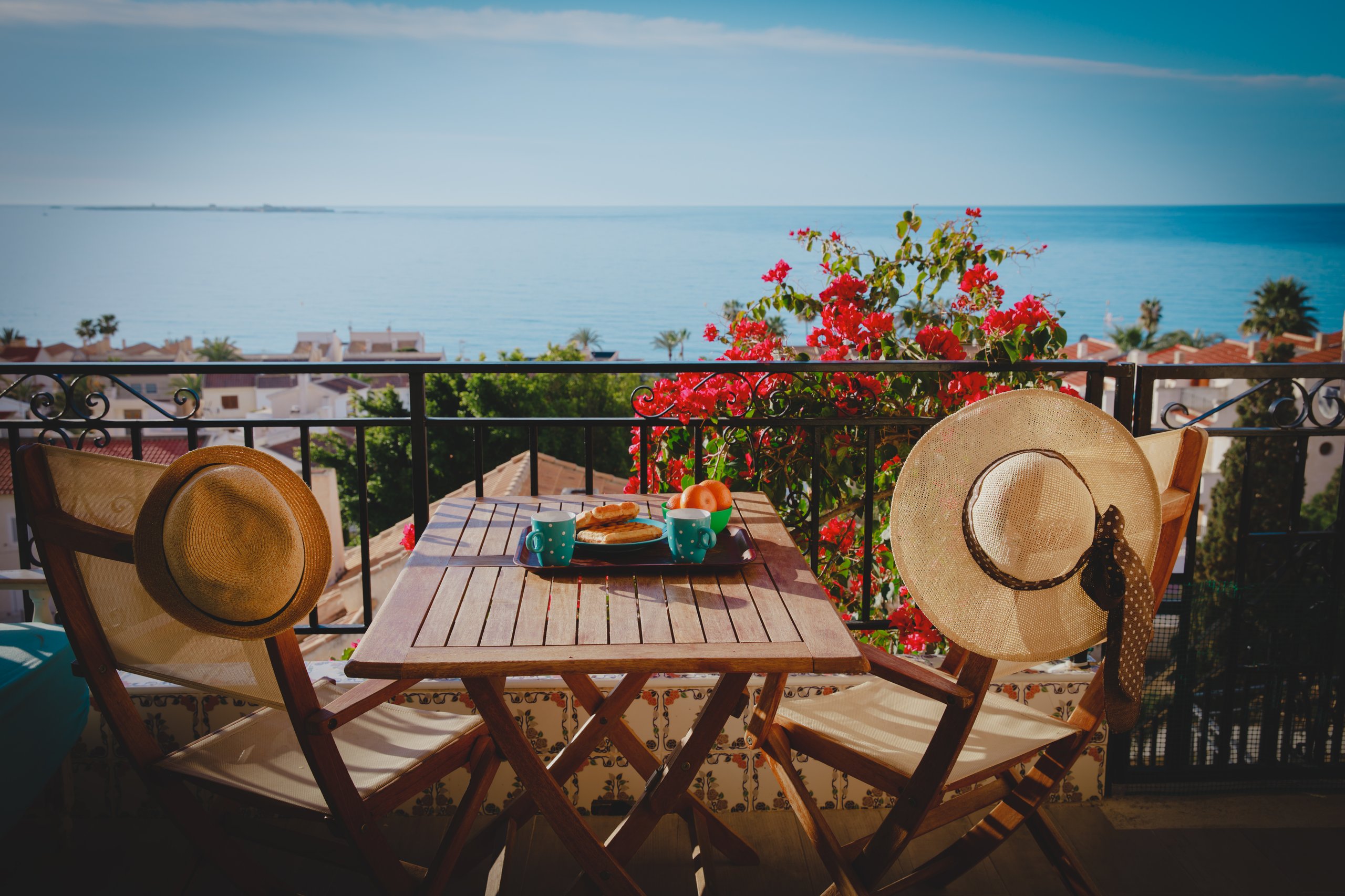
When those moments of nostalgia come, let them. They’re reminders of how much life you’ve lived within those walls. Give yourself permission to feel it – it’s part of acknowledging what you’ve built. Then remind yourself why you’re doing this: for the sunrise on your balcony, the slower pace, the chance to reinvent your daily life.
Reframing “downsizing” as “right-sizing”
Words matter. “Downsizing” sounds like reduction – smaller, lesser, less exciting. Instead, think of this stage as right-sizing: aligning your space, time and resources with who you are now. If your children are grown or you’re shifting from a full-time career to semi-retirement, it makes sense to reshape your environment.
A smaller property abroad can represent a bigger life. Perhaps that’s the freedom to travel, the time to learn a new language or the funds to explore more of your new country. Seen that way, right-sizing is an upgrade – an investment in flexibility, adventure and peace of mind.
Practical steps to make it easier

- Start with a clear vision
Imagine your future home and daily rhythm. Will you spend most of your time outdoors? Entertain guests regularly? Work remotely? This helps you decide what’s essential and what’s just habit.
- Tackle one room at a time
Downsizing feels overwhelming when you try to do it all at once. Break it into zones – kitchen, garage, wardrobe – and set a realistic schedule.
- Keep the meaning, not the item
Photograph sentimental objects before letting them go. A digital photo album can preserve the memories without the clutter.
- Give possessions a purpose
Passing on furniture or books to family, friends or charity can make the process feel positive. You’re not discarding your past; you’re sharing it.
- Get professional help early
If you’re selling your home to fund a move abroad, speak to an estate agent, financial advisor and currency specialist early on. Exchange rate movements can make a significant difference when transferring large sums, and locking in a rate can protect your budget.
The hidden benefits of living smaller abroad
For many who make the leap, the real reward comes months later. Smaller homes often lead to richer lives. With less to maintain, you spend more time exploring your surroundings and connecting with your new community. There’s also a subtle shift in mindset – a feeling that you’re finally living intentionally rather than managing possessions.
In much of southern Europe, life happens outdoors. Your living room might be a café terrace, your dining table a spot under the olive trees. Choosing a more manageable home means you can focus on those experiences – not upkeep. It’s practical too: lower bills, less maintenance and fewer rooms to heat or cool all add up to a simpler, more affordable way to live.
A smaller home doesn’t mean a smaller life. Identity comes from what you do, not what you own. A townhouse in Portugal or a seaside apartment in Spain may be half the size of your old home, but if it allows you to live more fully – morning swims, evening walks, visits from grandchildren – then it’s a gain in every sense.
Think of your new home as a stage for the next chapter of your story. Bring the objects that reflect you now – not every memento of who you’ve been. Display photographs of family, art from your travels or books you love to reread. These pieces make your new place feel like home without overwhelming it.
Planning for the future
Practicality matters too. As we age, stairs, large gardens and high-maintenance spaces can become burdens. A smaller, well-located home abroad often makes life simpler, safer and more social. Being able to walk to a café, pop to the shops or get to a medical appointment with ease can matter far more than extra rooms you rarely use.
If you’re weighing up whether a move like this is realistic, it can help to pause and sense-check a few everyday considerations:
- How close you’ll be to shops, cafés and essential services
- Access to healthcare and how straightforward it is to register locally
- Whether the property will be easy to manage long term, with minimal upkeep
- How simple it will be for friends or family to visit
If those basics feel right, the rest tends to fall into place. Downsizing isn’t only about fitting your life as it is now, but about giving yourself options and ease in the years ahead.
Once you’ve decided what to take, make sure it arrives safely. Gosselin International Relocations are trusted overseas moving specialists who manage everything from packing to customs paperwork, giving you peace of mind every step of the way.
FAQs
Start with clarity rather than logistics. Decide where you want to live, how you want to spend your time and what you need to feel settled. From there, work through the practical steps one by one – visas or residency, finances, housing and healthcare. Downsizing early helps you move with intention rather than pressure, giving you space to focus on building a life, not just organising a move.
Not at all. Many people move abroad in their 60s and beyond, often finding it’s the perfect time. You’re likely to have more freedom, clearer priorities and the confidence that comes from life experience. With the right planning around healthcare, location and lifestyle, an overseas move can be both practical and deeply rewarding at this stage of life.
You don’t need to reinvent yourself overnight. Start small: establish daily routines, learn the language basics and get to know your local area. Downsizing plays a big role here – fewer possessions make it easier to adapt and feel at home. Over time, connections, familiarity and confidence build, and your new life begins to feel just that – yours.