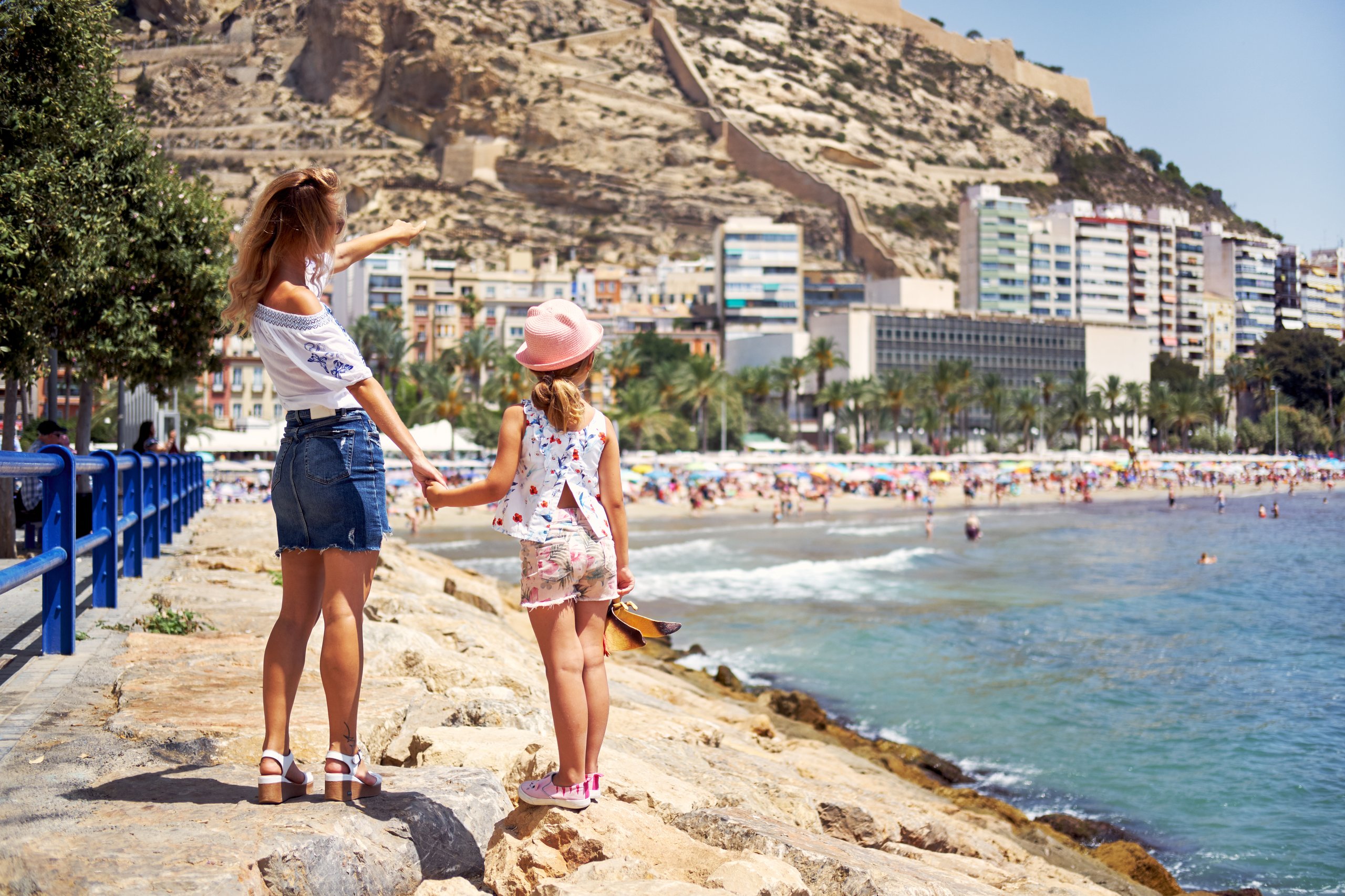


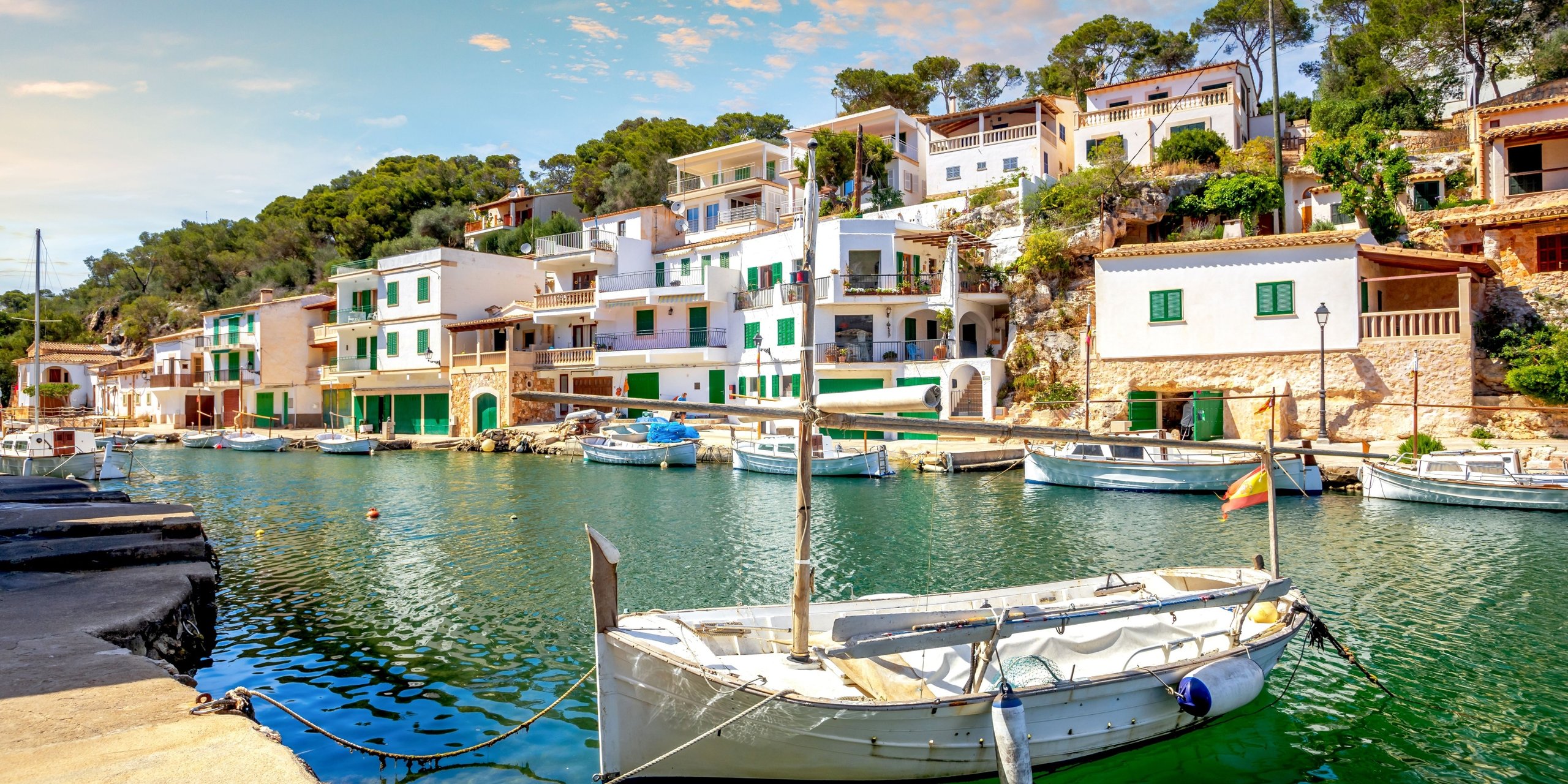
Mallorca remains one of the most desirable locations in Spain for overseas buyers. Indeed, not just the most desirable in Spain. Mallorca – also known as Majorca – is probably the most visited island in the whole Mediterranean. Here’s your guide to buying property in Mallorca.
Mallorca: the island you return to again and again, until one day you realise you’re scrolling through property listings over breakfast. It’s not only about beaches and long lunches. It’s the day-to-day ease of life: Palma functioning as a proper working city, the ability to swap the coast for the mountains in under an hour and an airport that keeps you well connected year-round.
That said, buying here in 2026 needs a slightly sharper strategy than it once did. Prices across the Balearics remain high, competition for the best homes is strong and if your plan includes holiday letting, you’ll need to understand the island’s licensing rules before committing to that terrace with a sea view.
Download the Spain Buying Guide
Contents
About Mallorca
Mallorca is the largest of the Balearic Islands and offers a wide variety of settings for property buyers.
But it’s not large as islands go, and from landing at the main airport in Palma you can reach just about anywhere in about an hour by car or bus.
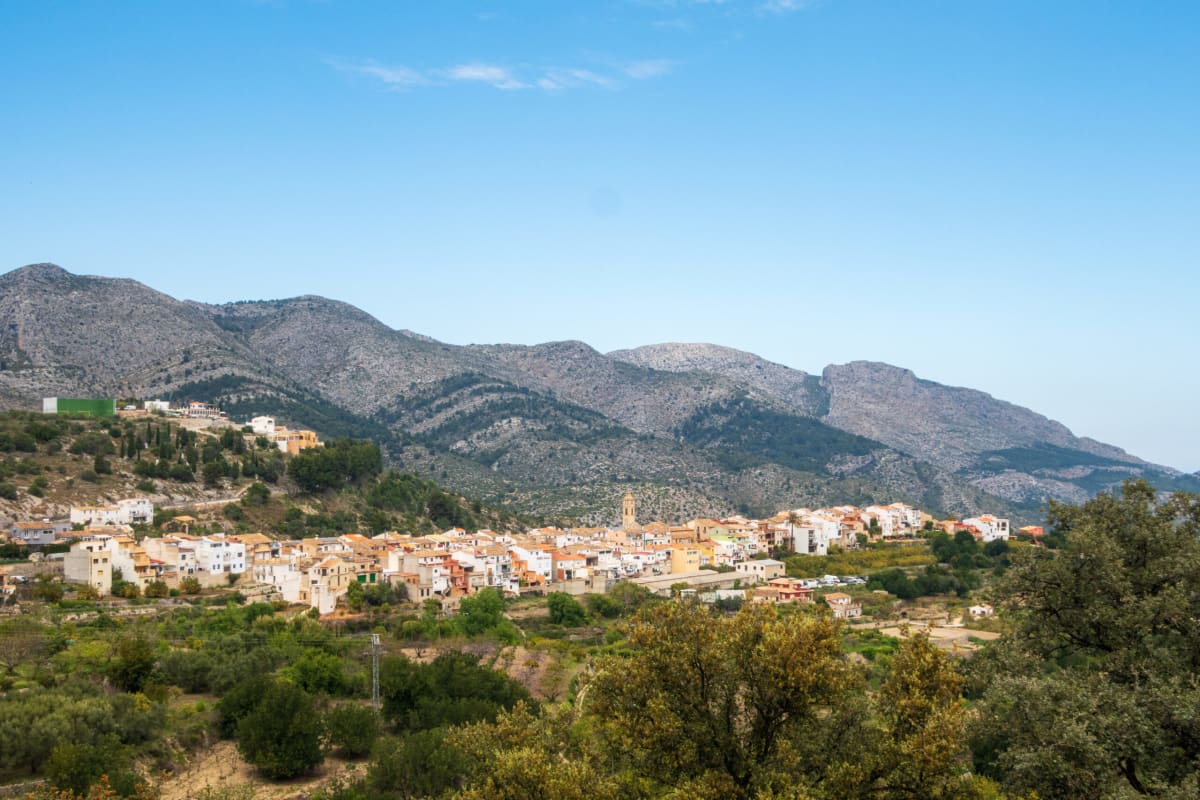
The island has a mountainous northern coast, then a flat interior full of farms, vineyards and villages. Its 550-kilometre coast has, apart from the north-west section of cliffs, mainly sandy beaches, with some historic towns and many modern resorts.
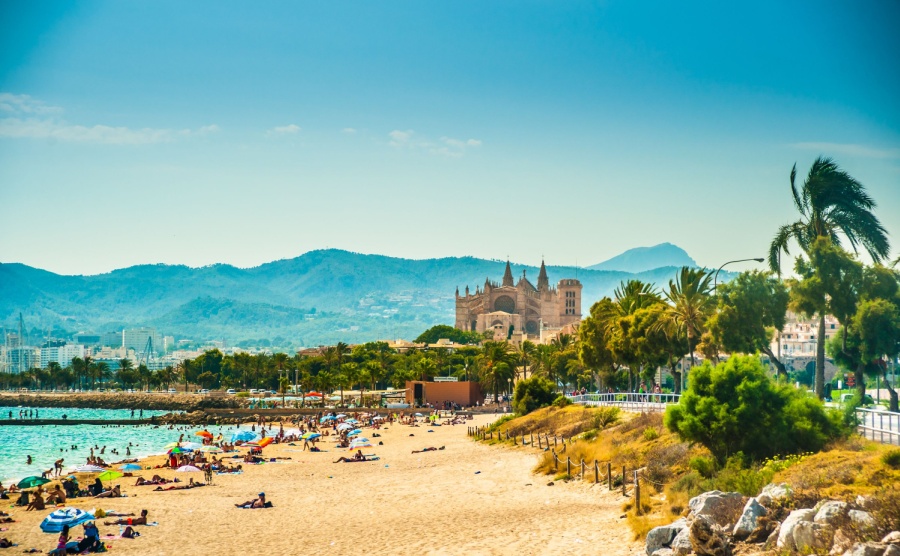
Mallorca has been popular among international property buyers for at least 500 years, giving buyers access to English-speaking professionals and a relatively straightforward buying process.
Though tourism plays a key role in the local economy, Mallorca is more than a seasonal destination. Many towns and villages maintain a strong sense of identity and community year-round, making it appealing to those looking for more than just a holiday home.
Is Mallorca a good place to buy property?
Mallorca combines natural beauty with well-developed infrastructure. The island has one of Spain’s busiest international airports, excellent healthcare, English-speaking professionals and good international schools. Unlike some tourist destinations, Mallorca also has a year-round community, particularly in and around Palma, which gives it a sense of continuity and liveability beyond the summer season.
From an investment point of view, Mallorca’s popularity ensures ongoing demand for rental properties and resale potential. But the authorities in Mallorca are well aware of the special place that it is, and strong planning restrictions protect the coastline and highlights from overdevelopment. This also helps support property values for those buying property in Mallorca for the long term.
Where do most expats live in Mallorca?
The expatriate population is spread across the island, with different areas appealing to different buyer profiles.
Palma, with a population of 400,000 is the capital and the centre of Mallorquin life. It offers a mix of historic properties, especially in the Moorish old town of cobbled alleyways, but also modern flats, attractive townhouses in areas like Santa Catalina, and villas on the hilly suburbs. They all have access to beaches, nightlife and wonderful art and culture. The city has a strong year-round community and good public transport connections.
Goring clockwise from Palma, in the far western corner of Mallorca, areas like Santa Ponsa, Portals Nous and Andratx are popular with British and international buyers. They offer higher-end homes close to marinas, golf courses and international schools.
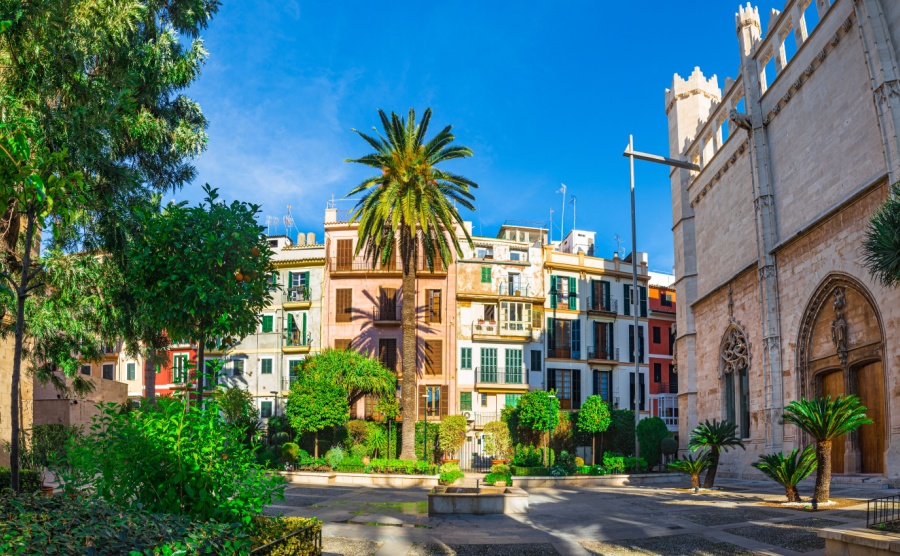
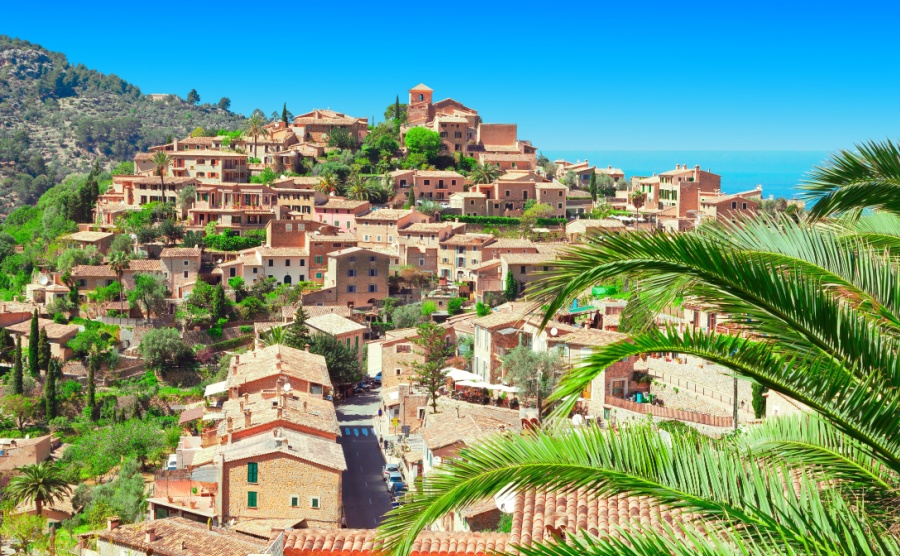
On the mountainous north-west coast are the pretty, historic, arty towns like Deia, Soller and Valldemossa. These lead on to the north, with towns like Pollença and Alcúdia appealing to buyers looking for a quieter pace of life and more traditional surroundings.
The central plains offer farmhouses and fincas to buy in Mallorca, many of which have been restored beautifully. The smaller towns here, such as Sineu and Manacor, offer a cheaper Mallorcan property option.
The south-east coast has beaches thronged with happy tourists – mainly families – in summer, notably in Cala d’Or (“beach of gold”) or Porto Cristo. They get quieter in winter, inevitably, but you should still find a lively community here.
Mallorca property market trends
Property prices in Mallorca and the wider Balearic Islands have continued to rise, keeping the region among the most expensive places to buy in Spain. Recent market data shows sustained upward pressure on prices as limited supply meets strong demand from both domestic and foreign buyers, particularly in well-connected locations and prime coastal areas. Mallorca’s average asking prices sit well above the national average, reflecting its appeal and constrained development landscape.
Recent data puts the average price per square metre across the Balearic Islands at around €5,160 in December 2025, with Palma de Mallorca at about €5,086/m². Breaking these figures down by area gives a clearer picture of how prices vary across the island:
| Location / Area | Approx. avg price € / m² (Dec 2025) |
|---|---|
| Balearic Islands (average) | €5,160 |
| Palma de Mallorca | €5,086 |
| Andratx | €7,502 |
| Calvià | €6,934 |
| Alcúdia | €4,921 |
| Binissalem | €3,071 |
| Felanitx | €2,399 |
These figures show two clear patterns: broad demand and strong pricing in established city and coastal areas such as Palma and Andratx, and more moderate levels in inland towns and rural districts.
Compared with the rest of Spain, Mallorca’s prices are consistently high. Nationally, average property prices are lower – for example, reports show around €2,000-€2,500/m² for Spain as a whole around late 2025 – meaning Mallorca can be roughly twice the national average on a per-square-metre basis.
Buyers can still find better value in inland towns or on the eastern coast. The strength of the market reflects Mallorca’s consistent appeal to both lifestyle and investment buyers.
The climate in Mallorca
The island is fairly north in the Mediterranean, on a level with the city of Valencia, but the influence of the sea keeps winters mild. You will occasionally get a bit of frost, but generally you’ll be enjoying winter weather plenty warm enough for a round of golf (and possibly even a swim, depending on how hardy you are).
The rest of the year you can expect hot summers and dazzling springtimes, with total average sunshine around 2,750 hours per year.
Getting to Mallorca
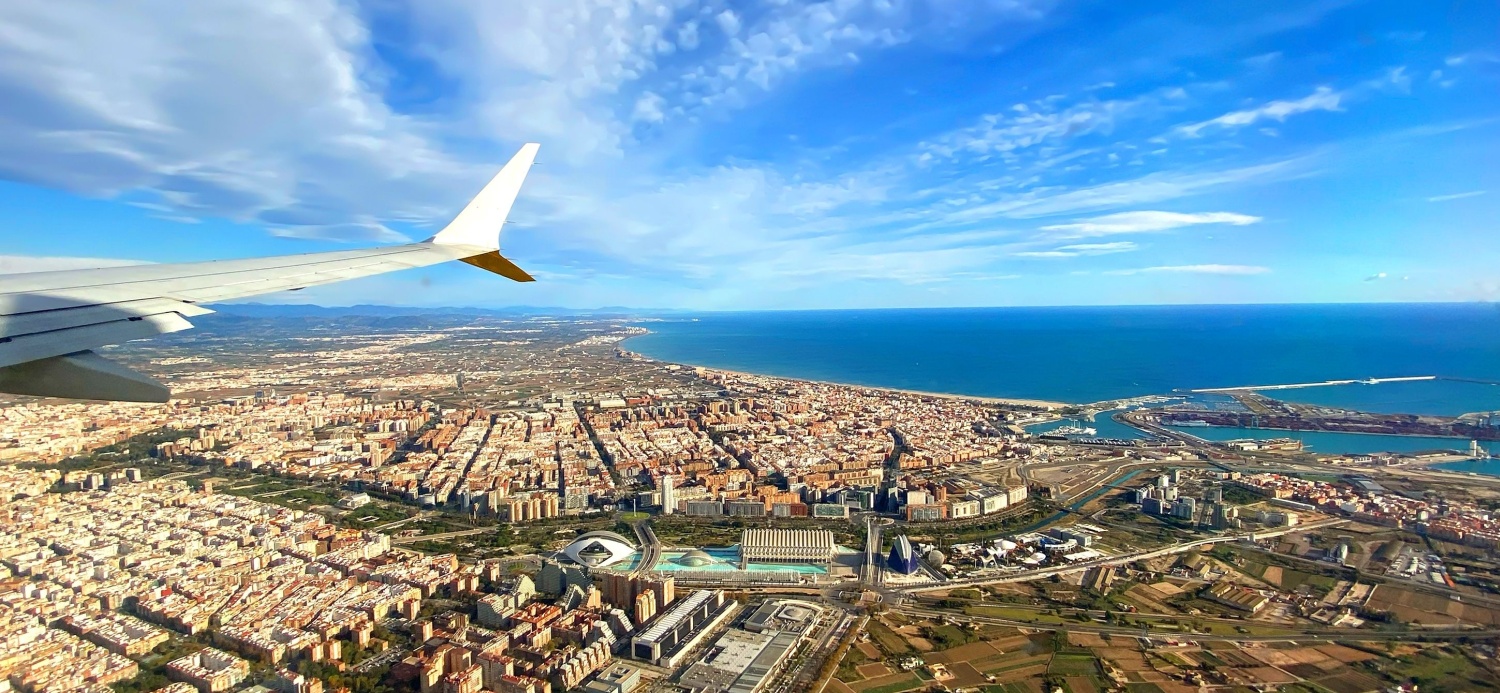
Palma airport is one of Spain’s busiest, with frequent year-round flights to and from the UK, as well as connections to major European cities. Travelling from further afield is easy too, with direct transatlantic routes to Madrid or Barcelona and then a short transfer.
For those travelling by sea, ferries run regularly between Mallorca and mainland Spain, including services from Barcelona, Valencia and Dénia.
How to buy property in Mallorca
The first step is usually finding a local estate agent who understands the needs of overseas buyers. Agents can advise on suitable areas and help manage viewings.
Before making a formal offer, you’ll need to obtain an NIE (foreigner’s identification number) and open a Spanish bank account. This allows you to pay deposits and complete the transaction.
A local lawyer is essential to review contracts, check legal ownership, verify that the property is free from debts and handle communication with the seller.
Speak to a Spain property expert
After agreeing the price, you will usually sign a reservation agreement, followed by a private purchase contract. Completion takes place at the notary, after which the property is registered in your name with the Land Registry.
Frequently asked questions about buying property in Mallorca
Yes – buying property in Mallorca is fully open to foreigners, including those from outside the EU. You do not face citizenship-based restrictions on ownership, and non-residents are legally permitted to acquire residential or investment real estate on the island. To make a purchase, you will need a NIE (identification number for foreigners), which Spanish authorities require for any property transaction, and it’s normal to open a local Spanish bank account to handle deposits and tax payments. Experienced English-speaking lawyers, estate agents and notaries operate across Mallorca and can guide you step by step through the process, from preliminary contract to final registration of title.
Mallorca continues to appeal to overseas buyers, but it’s important to be clear about what you want from the purchase. Prices are higher than on much of the mainland and competition remains strong in Palma and the most established coastal areas, where demand consistently outstrips supply. That pressure on prices reflects both limited development in key locations and ongoing interest from international buyers. Whether Mallorca is a good place to buy depends largely on how you plan to use the property. If you’re buying for lifestyle and expect to spend time on the island throughout the year, the combination of healthcare, transport links and everyday infrastructure makes living here relatively straightforward. If your focus is rental income, particularly short-term holiday lets, a more cautious approach is needed. Regulations have tightened in recent years and not every property will qualify for a tourist licence, so it’s essential to check what is permitted before you commit.
Buying in Spain offers great opportunities, but there are specific pitfalls that many overseas buyers underestimate. One of the biggest is legal and regulatory due diligence: title searches, outstanding debts, correct planning status and verified tax records are essential checks before you sign anything. Unlike some markets, informal promises or off-the-record assurances don’t carry legal weight here, so a specialist lawyer is indispensable. Another key pitfall is assuming rental income will be straightforward — particularly in the Balearics, where tourist accommodation licences are controlled and in some zones tightly limited. Taxes, community fees and completion costs also add up, so budgeting for those early prevents surprises. Finally, your residency intentions matter: without residency or a long-stay visa you are subject to the Schengen 90/180-day rule, which limits time spent inside Spain without a visa. Planning your stays and visas in advance is critical if you intend to live in the property for long periods.