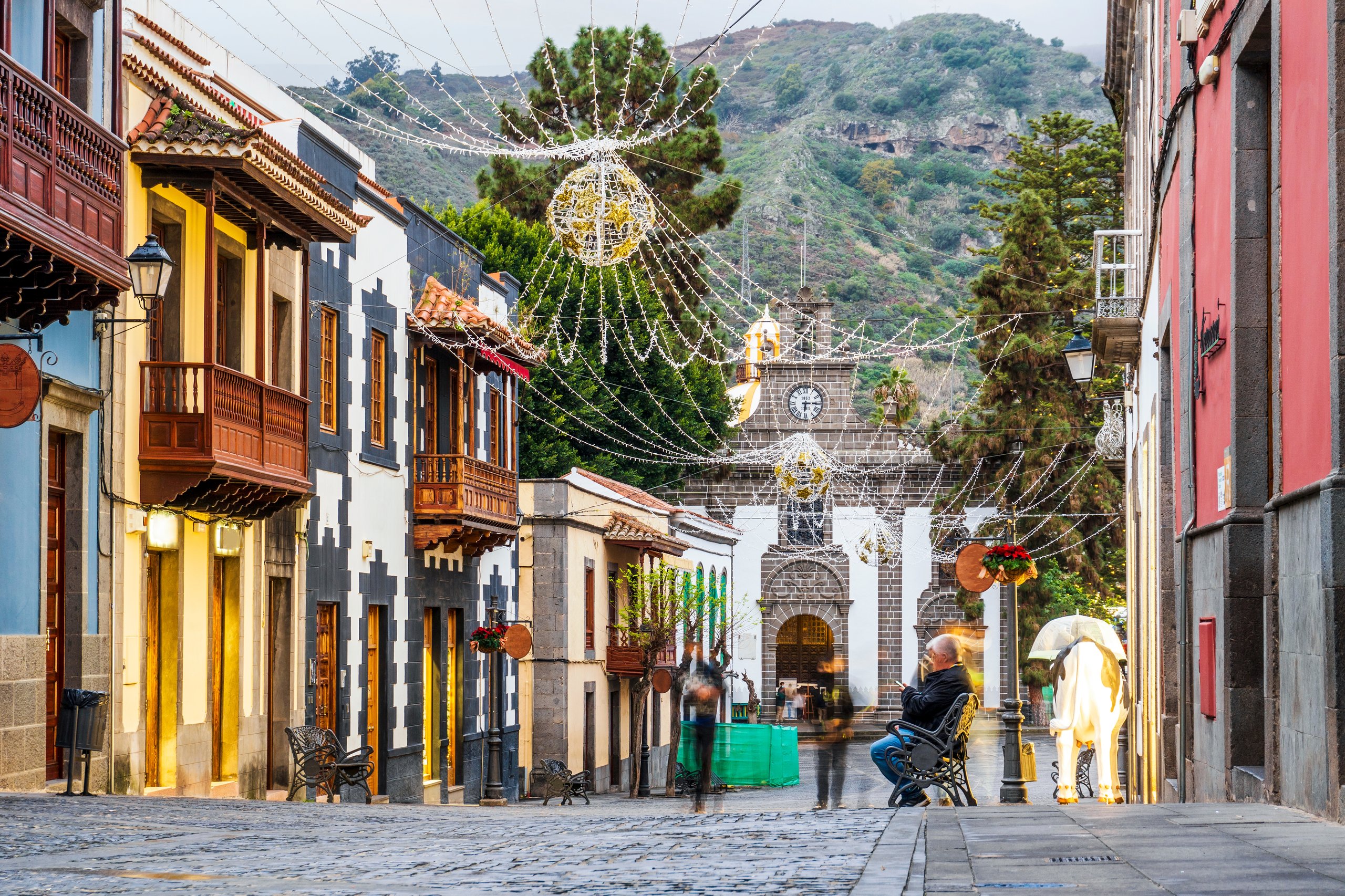

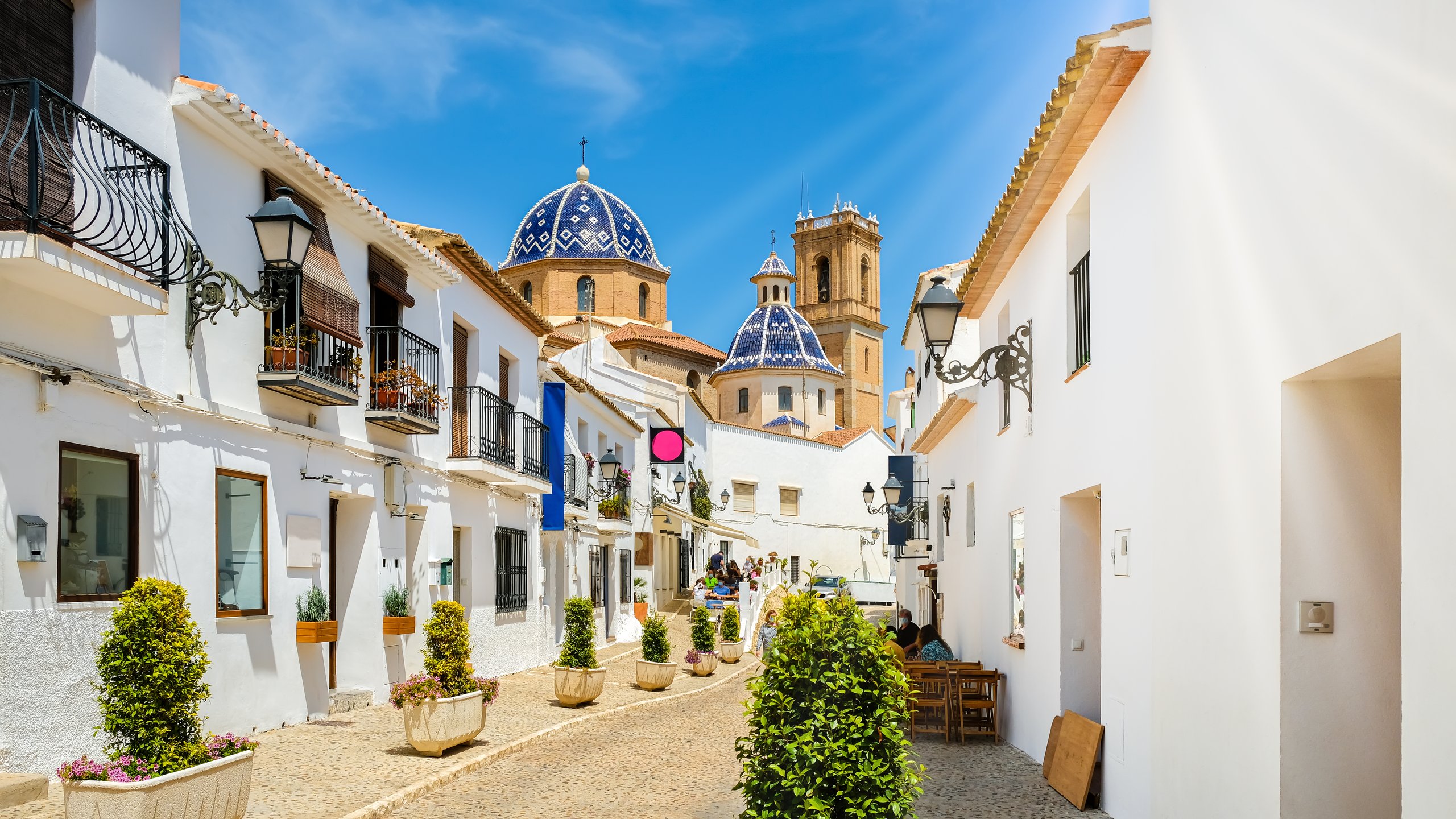


Thinking about moving to Spain permanently? From residency and healthcare to schools, shopping and social life, here’s your practical, honest guide to what living in Spain long term is really like.
Living in Spain is very different from visiting on a two-week break. Once the suitcases are unpacked and the novelty wears off, daily life kicks in. The good news? For many British buyers, that daily life is exactly what they were searching for – more light, more time outdoors and a stronger sense of community. But it pays to understand how things work before you commit.
Contents
- Residency and the right to live in Spain
- Shopping and daily routines
- Food, culture and social life
- Health and wellbeing
- Healthcare – how it works in practice
- Education and family life
- Work and income realities
- Getting the practical basics sorted
- Homesickness and adjustment
- Is Spain right for you?
- FAQs about living in Spain
Residency and the right to live in Spain
If you’re a British citizen moving to Spain now, you’ll need a visa before you relocate. The most common options are the non-lucrative visa, work visa or digital nomad visa, depending on your circumstances.
Most long-stay visas require you to:
- Show proof of sufficient income or savings
- Have private health insurance
- Provide a clean criminal record certificate
- Show proof of accommodation in Spain
- Apply for your TIE residency card once in the country
The key is preparation. Paperwork takes time, and Spanish bureaucracy rewards patience. Get your documents in order before you move and the process becomes far less stressful.
Speak to a Spain property expert
Shopping and daily routines
One of the first things you’ll notice is that Spain runs on a slightly different clock.
Shops in smaller towns may still close for a few hours in the afternoon. Mealtimes are later – lunch around 2pm and dinner often after 9pm. Social life frequently starts in the evening, especially in summer.
Supermarkets are modern and familiar, with chains such as Mercadona, Carrefour and Lidl across the country. Local markets remain central to everyday life, particularly for fresh fish, fruit and vegetables.
You’ll quickly learn that shopping isn’t just a task. It’s a social ritual.
Food, culture and social life
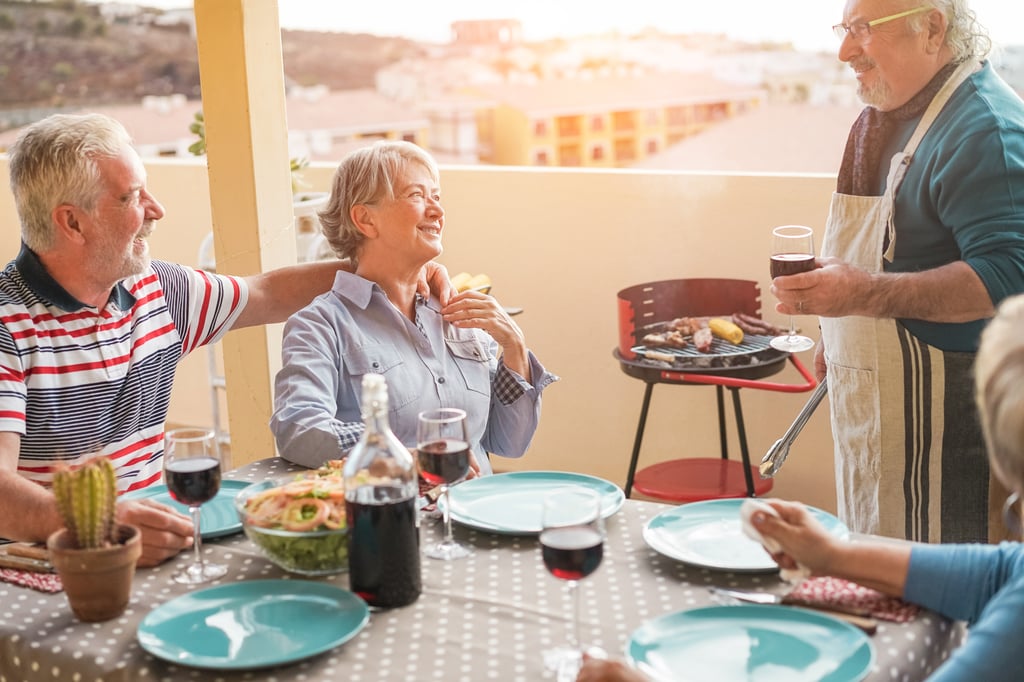
Spain’s culture revolves around connection. Tapas are shared, not ordered individually. Family meals stretch for hours. Festivals fill town squares with music and colour.
From Andalusian ferias to Basque pintxos bars, each region has its own identity. Even within the same province, neighbouring towns can feel distinct.
You may also notice traditions like second breakfast, the evening paseo – a leisurely stroll through town – and the 12 grapes eaten at midnight on New Year’s Eve for good luck.
These customs aren’t tourist attractions. They’re part of daily life.
Health and wellbeing
Spain’s Mediterranean diet, outdoor lifestyle and milder winters contribute to a sense of wellbeing that many newcomers comment on.
You’re more likely to walk to the bakery, sit outside for coffee or spend time in natural surroundings. Coastal living encourages swimming, paddleboarding and long beach walks, while inland regions offer hiking and cycling.
Even in cities, there’s a strong culture of socialising outdoors, which helps reduce isolation – especially important in your first year.
Healthcare – how it works in practice
Spain’s healthcare system is one of the reasons many people choose to relocate. The public system is tax-funded and widely regarded as one of the strongest in Europe, according to the Spanish Ministry of Health. Once you’re properly registered, treatment is largely free at the point of use.
If you’re working and paying into the Spanish social security system, you’ll usually qualify for state healthcare. Retirees receiving a UK state pension can use the S1 form to access the system. Many residents also choose private health insurance, particularly during the visa process or to reduce waiting times.
It’s reassuring to know that hospitals and local health centres are widely available, even outside major cities. In smaller towns, you’ll typically have a local health centre for GP appointments and referrals.
Education and family life

If you’re moving with children, Spain offers a range of schooling options. Education is compulsory from six to 16, with state schools, semi-private concertado schools and private or international schools available.
State education is free during compulsory years, although families usually pay for books and materials. In regions such as Catalonia or the Basque Country, regional languages may form part of the curriculum, so it’s worth understanding how this might affect your child.
Family life in Spain revolves around shared meals, community events and strong intergenerational ties. Children are generally included in social occasions, even late into the evening, reflecting Spain’s relaxed approach to family time.
Work and income realities
Spain’s lifestyle is appealing, but the job market can be competitive. Salaries are typically lower than in the UK and unemployment has historically been higher.
If you plan to work locally, speaking Spanish makes a significant difference. Many expats instead choose remote work, freelancing or starting small businesses, especially in areas with established international communities.
Before you move, be realistic about your income streams. If you’re retiring or living off investments, make sure your budget accounts for utilities, property taxes, community fees and healthcare.
Getting the practical basics sorted
Once you’ve bought your home, there are a few immediate tasks.
You’ll likely want a Spanish bank account. While not legally required, it makes paying utilities, local taxes and community charges much simpler.
Utilities such as electricity, water, gas and internet are straightforward to arrange, though you may need to transfer existing contracts into your name if you’re buying a resale property. Fibre broadband is widely available in cities and coastal areas, but coverage can be patchy in rural villages.
If you’ve bought an older property, you may also need to carry out repairs or upgrades. Finding reliable, registered professionals is essential in Spain, particularly for electrical or gas work.
Public transport varies by region. Cities like Madrid, Barcelona and Málaga are well connected by metro and train, while smaller inland villages often require a car.
Homesickness and adjustment
No matter how prepared you are, there may be moments when you miss home.
The early months can feel overwhelming. Language barriers, unfamiliar systems and small cultural differences can build up. The key is balance. Stay connected to friends and family back home, but make an effort to build a local routine too.
Joining clubs, language classes or community groups helps enormously. Over time, you’ll start recognising faces in cafés and shops. That’s when Spain begins to feel less like a move and more like home.
Is Spain right for you?
Living in Spain suits people who are adaptable, open-minded and willing to embrace a different rhythm of life.
If you want strict schedules, instant admin responses and everything in English, you may find it frustrating. If you’re happy to slow down, learn the language and accept that not everything runs like the UK, it can be hugely rewarding.
Spain isn’t just about sun and scenery. It’s about everyday rituals, community and a lifestyle that values time over hurry.
Move with realistic expectations, do your research and take the process step by step – and you may find that living in Spain offers exactly the change you were hoping for.
FAQs about living in Spain
Yes, but since Brexit you can no longer simply move to Spain without a visa. If you were legally resident before 1 January 2021, your rights are protected under the Withdrawal Agreement. If you’re moving now, you’ll need the appropriate visa, such as a non-lucrative visa, work visa or digital nomad visa, and then apply for residency once in Spain. You must also register locally, obtain a TIE residency card and meet financial and health insurance requirements.
The amount depends on the visa you apply for. For a non-lucrative visa in 2026, you typically need to show annual income or savings of at least 400% of Spain’s IPREM (Indicador Público de Renta de Efectos Múltiples), which is roughly €28,800 per year for the main applicant. You’ll need additional funds – usually 100% of the IPREM (around €7,200) – for each dependent. These figures can change slightly each year, so always check the latest official requirements before applying.
For many people, yes. Spain offers a warm climate, a strong healthcare system, a slower pace of life and a culture built around family, food and social connection. However, it’s not right for everyone. You’ll need to be comfortable with later mealtimes, different bureaucracy and, in some areas, limited English. If you’re prepared to adapt and ideally learn some Spanish, living in Spain can be an incredibly rewarding lifestyle choice.