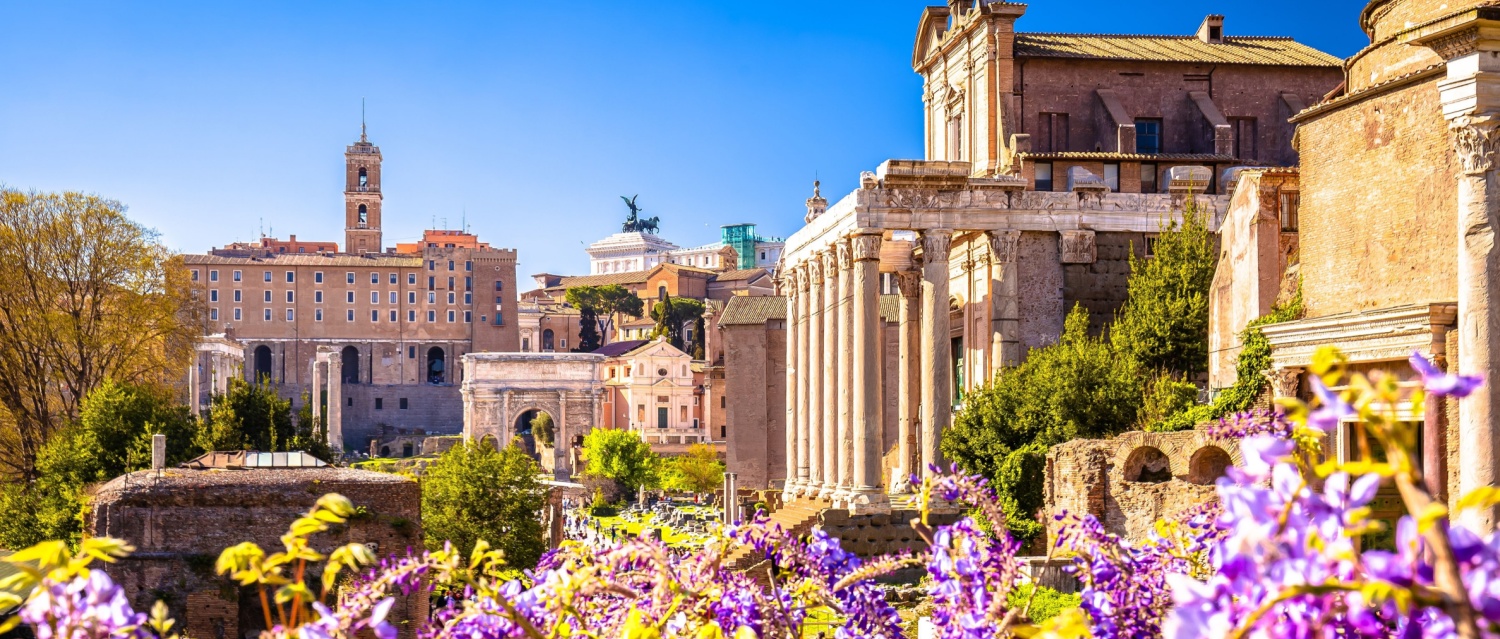
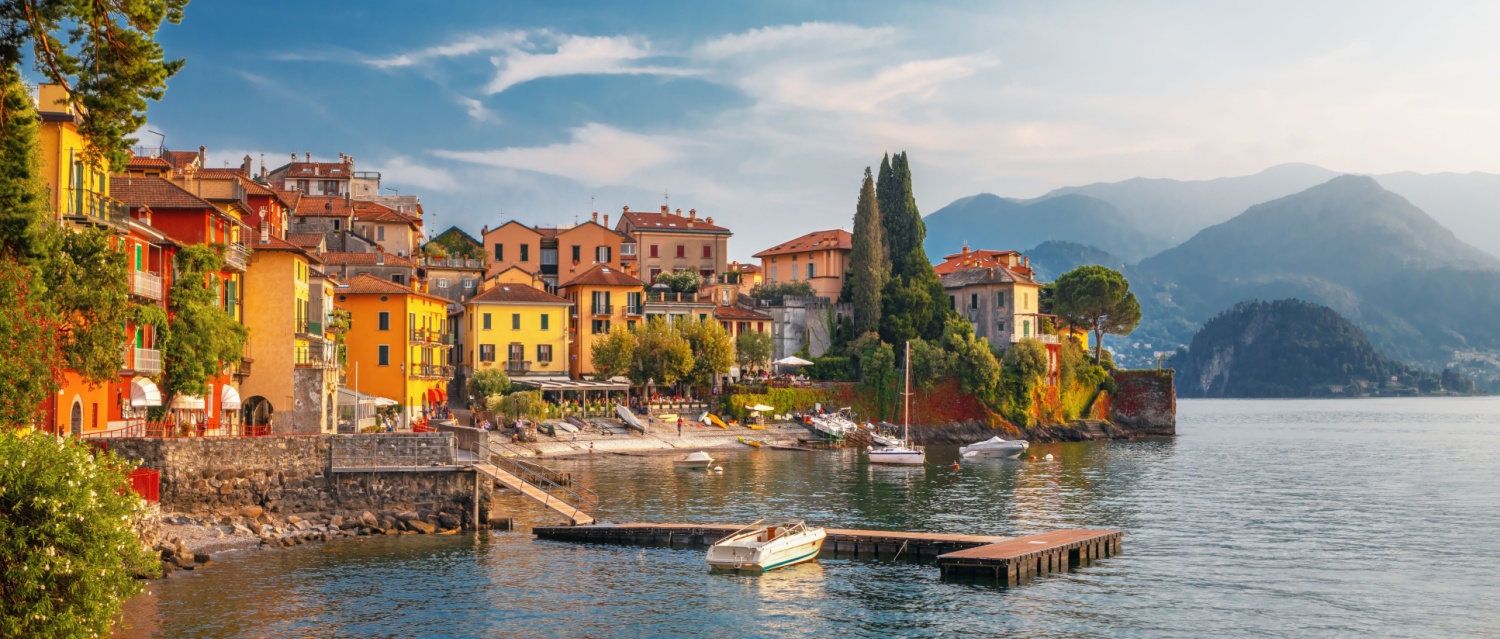


From lakeside villas and Renaissance city apartments to mountain farmhouses and coastal retreats, Italy offers one of Europe’s broadest property markets. In 2026, buyers are drawn not just by lifestyle, but by relative value, tax incentives and the country’s enduring global appeal. The question is not whether to buy property in Italy – but where.
Italy continues to attract overseas buyers looking for culture, climate and long-term stability. With moderate price growth in many regions and strong international demand, 2026 is about choosing the location that fits your lifestyle, budget and plans for the future.
Download the Italy Buying Guide
Contents
- Why buying property in Italy is so appealing to overseas buyers
- Northern Italy – lakes, prestige and global connections
- Tuscany – the enduring classic
- Umbria – authentic Italy at a gentler price
- Abruzzo – mountains, coastline and real value
- Sicily – sunshine, scale and tax advantages
- Comparing Italy’s key buying regions
- Choosing the right Italian region for you
- Summary
- FAQs about where to buy property in Italy
Why buying property in Italy is so appealing to overseas buyers
You are not just buying a home in Italy. You are buying into a way of living that is deeply rooted in food, architecture, landscape and community. One weekend might involve skiing in the mountains, the next swimming in the sea or wandering through a medieval town square before dinner.
There is also extraordinary variety in pricing. In Sicily and Abruzzo, you can still find homes under €100,000. In Umbria, stone farmhouses cost significantly less than in neighbouring Tuscany. In Lake Como or central Florence, prime property sits firmly in the luxury bracket. That range means Italy works for different budgets – and different ambitions.
Tax policy has added further appeal. Southern regions including Sicily offer favourable schemes for qualifying new residents, while buyers making a property their main residence benefit from reduced purchase taxes compared with second homes. Combined with strong tourism flows in established destinations, Italy offers both lifestyle and measured investment potential.
Most importantly, Italy’s appeal has proved durable. Through economic cycles and shifting travel patterns, demand for well-located Italian homes remains resilient. The key is matching the region to your goals.
Northern Italy – lakes, prestige and global connections
Northern Italy suits you if connectivity, international recognition and capital preservation are priorities.
Lake Como remains one of Europe’s most prestigious second-home markets. Its alpine setting, proximity to Milan and year-round rental demand make it attractive to lifestyle buyers and investors alike. Waterfront villas command premium prices, but hillside villages and lesser-known towns can offer more accessible entry points.
Venice offers something entirely different – a historic, water-bound city where property ownership is as much about heritage as investment. Rental regulations require careful planning, but long-term demand remains strong in central districts such as San Marco and Dorsoduro.
Northern Italy also benefits from major airports, high-speed rail links and easy access to Switzerland, France and Austria. If you plan to travel frequently or split your time between countries, this region offers practical advantages alongside prestige.
Tuscany – the enduring classic
For many buyers, Tuscany represents the Italian dream. Rolling countryside, Renaissance cities and vineyard-covered hills continue to draw strong international interest in 2026.
Florence remains the region’s most expensive market, particularly within its historic centre. Yet step outside the city and prices soften. Provinces such as Lucca, Arezzo and parts of Grosseto offer better value while retaining strong lifestyle appeal. Coastal areas and Chianti villages remain popular for holiday homes with rental potential.
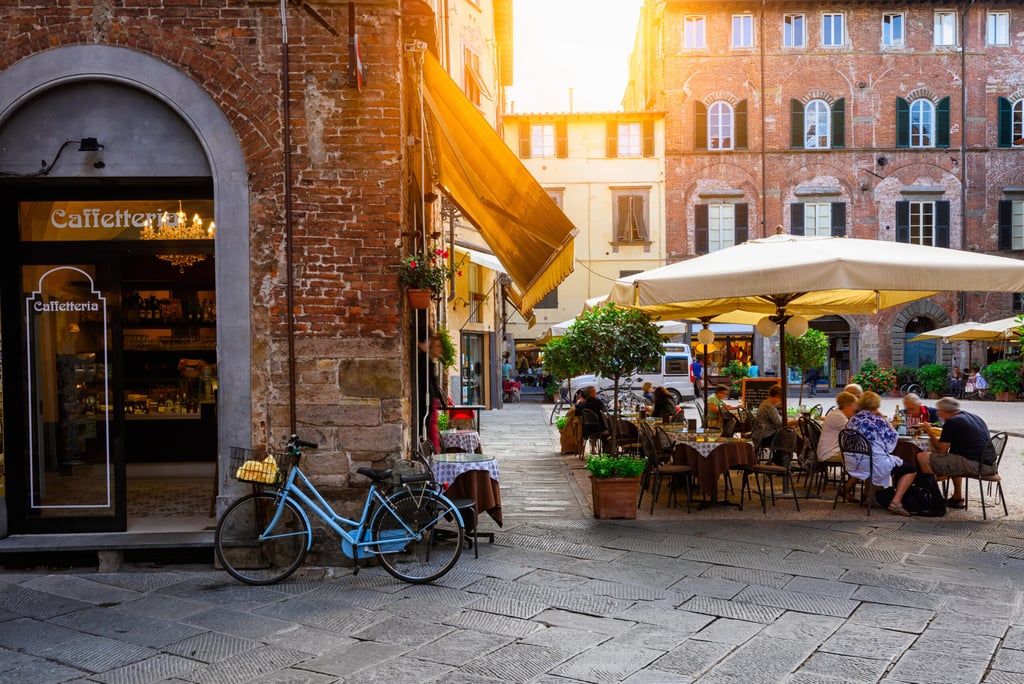
Lucca, in particular, has gained attention for its balance of liveability and relative affordability compared with Florence. A compact historic centre, strong year-round community and good airport access make it attractive to retirees and second-home buyers.
Tuscany suits you if you want culture, recognisable scenery and consistent long-term demand.
Umbria – authentic Italy at a gentler price
Often described as Tuscany’s quieter neighbour, Umbria appeals if you want traditional hill towns, vineyards and space – but at lower price points.
Cities such as Perugia and towns around Lake Trasimeno attract steady rental demand, while rural farmhouses offer land and privacy that would cost far more across the regional border. Positioned between Rome and Florence, Umbria benefits from strong transport links without heavy tourism.
Abruzzo – mountains, coastline and real value
Abruzzo remains one of Italy’s most overlooked regions, which is precisely why many buyers are now considering it.
You will typically get more property for your money here than in more established regions. The Adriatic coastline, national parks and ski resorts offer lifestyle diversity, while village homes and coastal properties remain comparatively affordable. Rental demand is lower than in Tuscany or Lake Como, but entry costs are modest.
Abruzzo may suit you if your priority is space, scenery and long-term potential rather than immediate rental yield.
Sicily – sunshine, scale and tax advantages
Sicily combines affordability, culture and year-round sunshine. As Italy’s largest island, it offers dramatic variation between coastal resorts, Baroque cities and inland villages.
Average property prices remain below the national average, and qualifying new residents may benefit from Italy’s 7% flat tax regime for foreign pension income. With four international airports, Sicily is more accessible than many assume.
Hotspots such as Taormina command higher prices, while provinces inland offer renovation opportunities and lower entry points.
Comparing Italy’s key buying regions
| Region | Best for | Key considerations |
|---|---|---|
| Northern Italy (Lake Como, Venice) | Luxury buyers, frequent travellers, capital preservation | Higher entry prices, strong international demand, strict rental rules in some cities |
| Tuscany | Lifestyle buyers, blended rental and second-home owners | Premium in Florence and Chianti, better value in outer provinces |
| Umbria | Value-focused buyers wanting central Italy | Lower prices than Tuscany, steady rather than high rental returns |
| Abruzzo | Budget buyers, nature lovers | Lower tourism demand, strong lifestyle appeal |
| Sicily | Retirees, relocators, tax-aware buyers | Wide price variation, tax incentives for qualifying residents |
Choosing the right Italian region for you
Before deciding where to buy, consider how you will use the property. Is this a retirement move, a holiday base or an investment with rental income? Do you need year-round infrastructure, international schools or hospital access? How important is airport proximity?
In 2026, Italy remains a country of micro-markets. Two towns just 30 minutes apart can differ significantly in price and rental demand. Visiting outside peak season, speaking to local professionals and understanding purchase taxes will help you make a confident decision.
The good news is that Italy offers genuine choice. Whether you see yourself overlooking a northern lake, tending olive trees in Umbria or walking to the sea in Sicily, there is a region that fits your budget and your vision.
Summary
Italy’s property market in 2026 offers remarkable regional variety. Northern lakes deliver prestige and connectivity, Tuscany provides cultural depth, Umbria and Abruzzo offer value, and Sicily combines affordability with tax appeal. The right choice depends on how you plan to live, travel and invest.
FAQs about where to buy property in Italy
Yes. Most foreign nationals can buy property in Italy without restriction, including buyers from the UK, US, Canada and Australia. You will need an Italian tax code (codice fiscale) and a notary to complete the purchase. Non-EU citizens must also check visa rules if planning to stay longer than 90 days in any 180-day period.
As a rule of thumb, budget an additional 10–15% on top of the purchase price. This covers purchase taxes, notary fees, legal advice and estate agent commission. Renovation, surveys and currency exchange costs should be factored in separately, particularly if you are buying an older property.
Typically, the process takes around two to three months from signing the preliminary contract (compromesso) to completion (rogito), assuming your finances are in place. Delays can occur if mortgage approval, legal checks or planning permissions require further review.
In 2026, regions such as Abruzzo, inland Sicily and parts of Umbria continue to offer some of the strongest value for money compared with prime markets like Florence or Lake Como. The best value for you will depend on whether you prioritise rental demand, relocation potential or long-term capital growth.