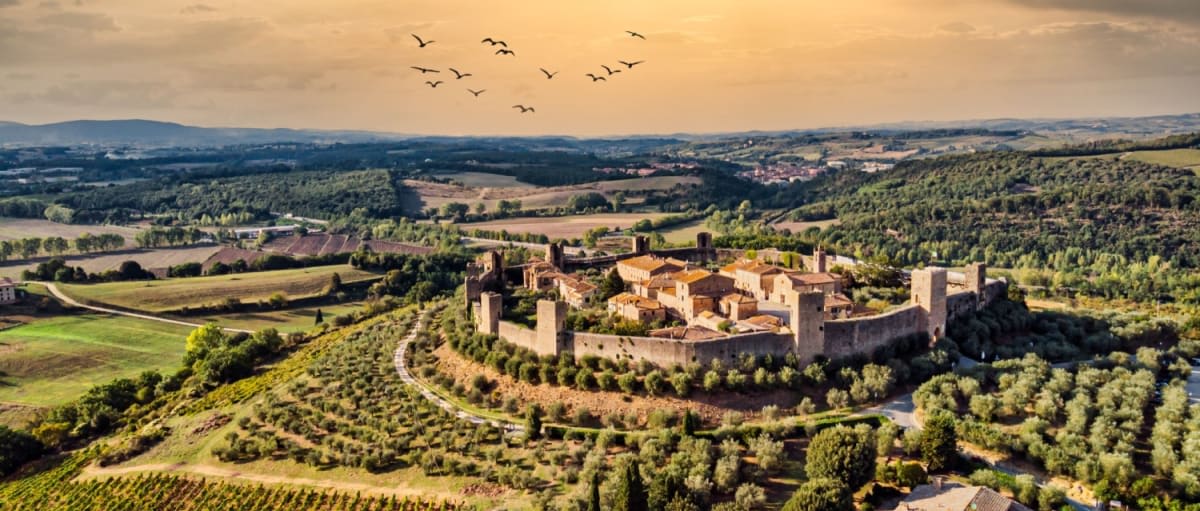


Set within Tuscany’s rolling hills, Lucca is a city of Renaissance walls, quiet piazzas and historic elegance. Its location, lifestyle and affordability make it one of Italy’s most appealing destinations for foreign buyers seeking a second home, retirement haven or investment property.
This guide explores why property buyers are increasingly drawn to Lucca and what you need to know if you’re looking to purchase a home here in 2026. From market insights to legal steps, we’ll help you navigate the process clearly and confidently.
Download the Italy Buying Guide
Contents
Why buy property in Lucca?
Lucca is less well known than Tuscany’s most famous cities – Florence, Siena and Pisa – and is all the more appealing for that. It offers almost as much culture yet with fewer crowds in summer.
Lucca is both one of Tuscany’s most attractive provinces and a city. The province encompasses both countryside and Mediterranean coast. The city of Lucca is home to around 90,000 people. It’s liveable, close to both seaside, countryside and mountains, and less than a 30-minute drive from Pisa Airport.
Property is more affordable, but just as attractive. As you will see from our portal, property for sale within the city of Lucca is considerably more pricey than property in the wider province of Lucca.
Strategic location
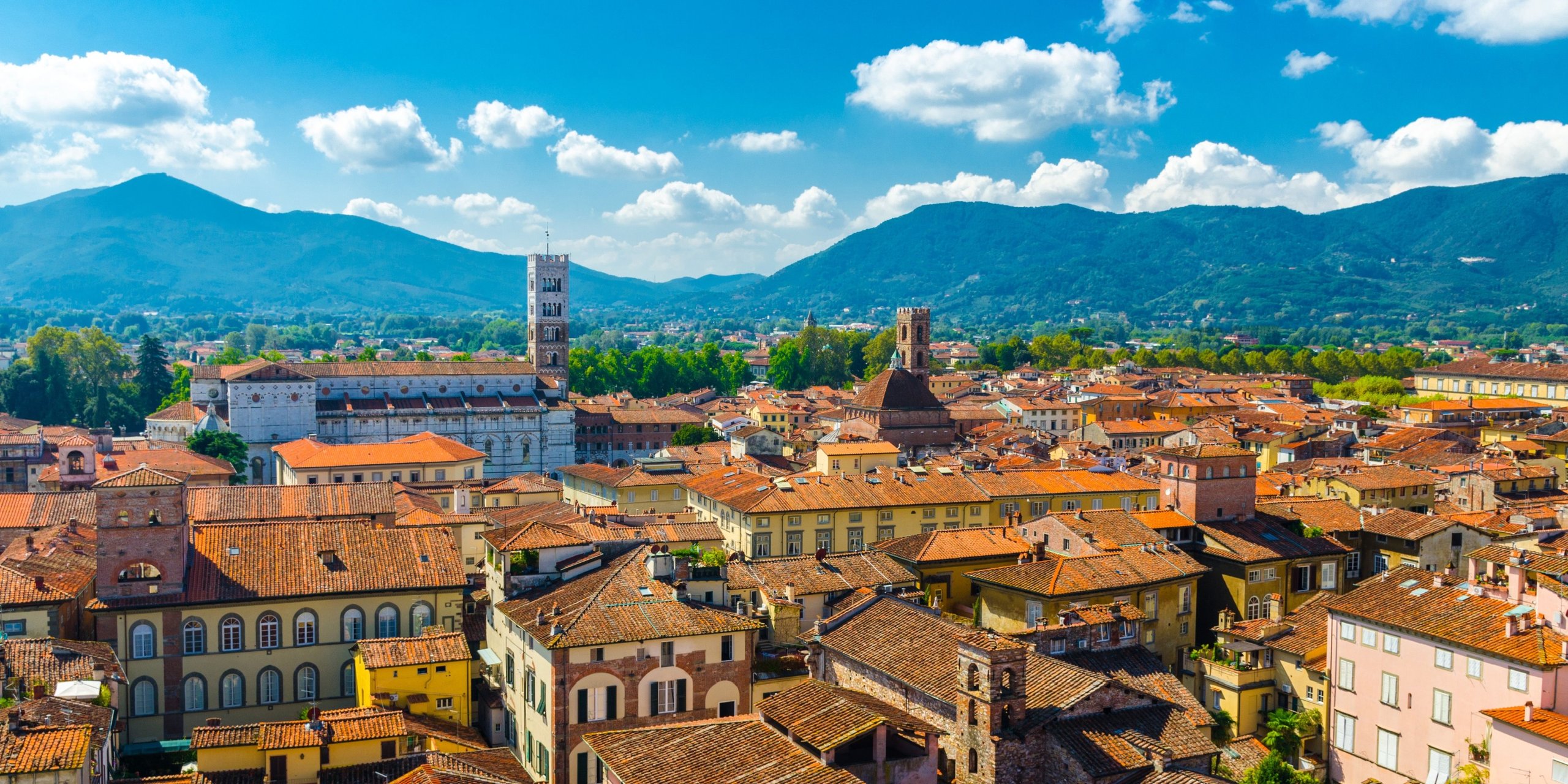
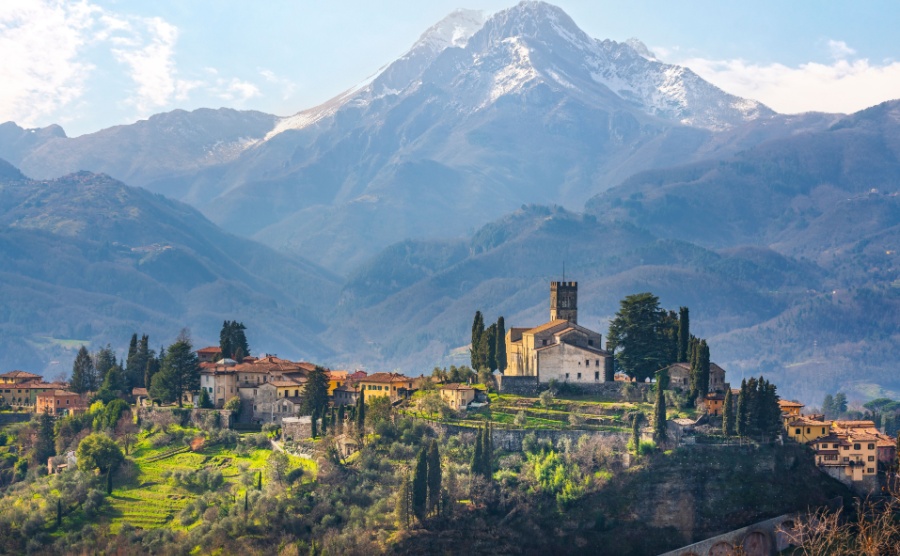
Lucca its on a flat plain beneath the Apuan Alps, surrounded by rolling green Tuscan hills, offering villas and farmhouses for sale with breathtaking views.
It’s perfectly positioned for both weekend escapes and full-time living. Pisa International Airport is just 20 minutes away by car, while Florence is under 90 minutes by train or road. This convenience attracts retirees, holidaymakers and remote workers alike.
Historic charm and green spaces
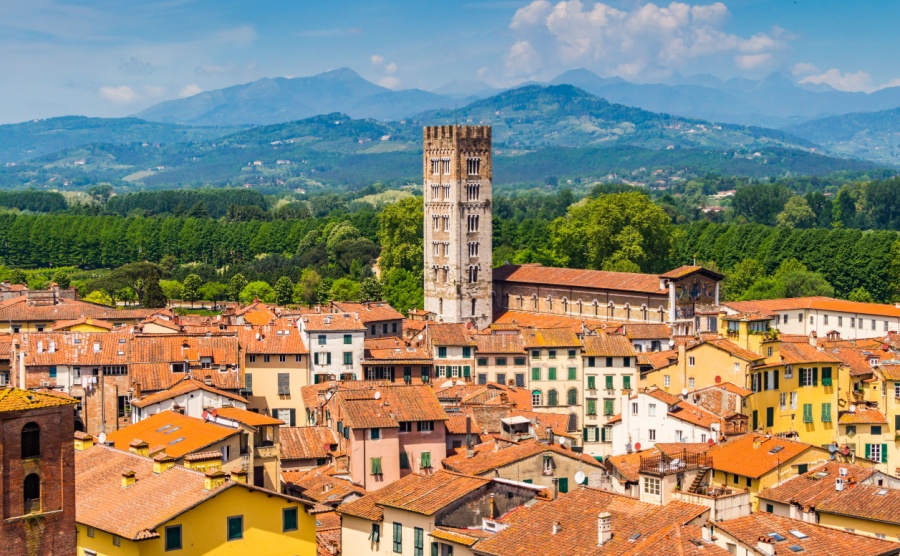
One of the city’s most unique features is its Renaissance-era walls, which are now tree-lined promenades that encircle the historic centre. They provide a car-free space ideal for walking, cycling or enjoying a morning coffee overlooking Lucca’s elegant rooftops. Combined with green parks, hidden gardens and minimal traffic, Lucca offers peaceful living in a well-preserved medieval city.
Medieval appeal
Lucca is nicknamed the “city of a hundred churches”. The most famous include San Martino Cathedral, founded in the 6th century and rebuilt in the 11th century.
Alongside the historic churches, you’ll notice a lot of towers in Lucca. In medieval times, it was believed that the higher your tower, the higher your family’s social standing. While many became too tall and had to be demolished for instability, there are many that remain in Lucca, with the tallest being a 50-metre-high clock tower.
Cultural vitality
Despite its calm pace, Lucca has a lively cultural calendar. The Lucca Summer Festival draws major music acts annually, while the iconic Lucca Comics & Games event transforms the city into a global stage.
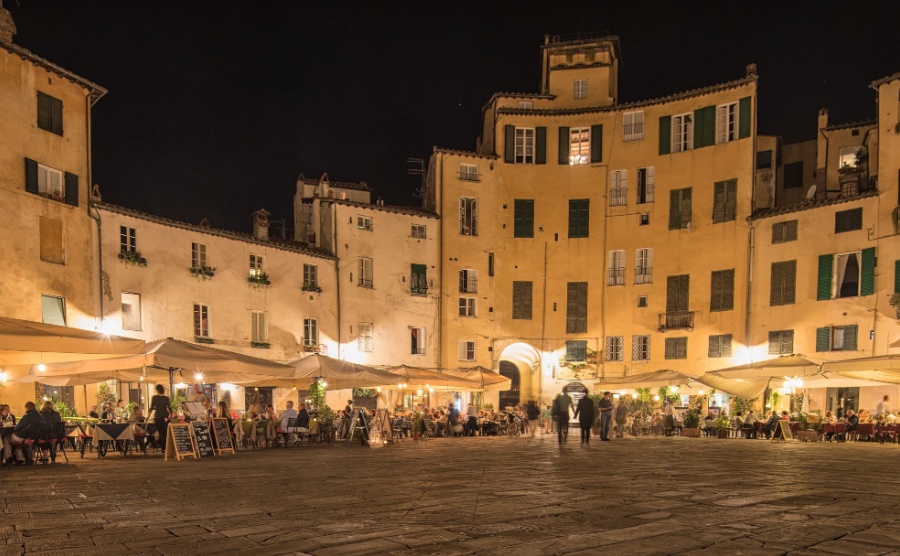
Religious festivals, food markets and open-air concerts also fill the year-round calendar, helping to maintain a strong local community even outside the tourist season.
Who is Lucca right for?
Lucca appeals to a wide range of overseas buyers, but it tends to attract those prioritising lifestyle, stability and long-term enjoyment over short-term gains.
Retirees and semi-retirees
Lucca is particularly well suited to retirees looking for a relaxed yet culturally rich place to live.
- A compact, walkable historic centre, ideal for day-to-day living without a car
- A strong sense of local community, with year-round cafés, markets and events
- Easy access to healthcare, rail links and Pisa International Airport
Property prices inside the city walls are higher than in surrounding areas, but many retirees see this as a worthwhile trade-off for convenience and quality of life. Buyers on tighter budgets often look just outside the walls, where prices are lower but access to the centre remains easy.
Second-home buyers
For second-home owners, Lucca offers a more authentic, lived-in Tuscan experience than some heavily touristed destinations.
- Popular with buyers who want a lock-up-and-leave apartment or a renovated townhouse
- Less seasonal than coastal resorts, making it enjoyable throughout the year
- Good base for exploring Tuscany, with beaches, countryside and major cities within easy reach
Second-home buyers often favour properties that are already renovated, as these are easier to manage from abroad and hold their value well in Lucca’s competitive historic-centre market.
Investors
Lucca can work for investors — but expectations should be realistic.
- Demand for rentals is steady rather than explosive
- Gross rental yields are typically moderate, especially inside the city walls
- Short-term lets are possible, but regulations and building rules must be checked carefully
Lucca tends to suit investors focused on long-term capital preservation and occasional rental income, rather than those chasing high short-term returns. Buyers purely seeking yield often find better opportunities in university cities or coastal resort areas.
A balanced market for lifestyle-led buyers
Overall, Lucca is best suited to buyers who value quality of life, architectural beauty and long-term stability. For retirees and second-home owners in particular, it offers a rare combination of authenticity, accessibility and enduring appeal within Tuscany’s property market.
Property types and locations
Lucca’s property market offers a variety of homes, from urban apartments to rustic villas in the hills. Whether you’re driven by history, seclusion or rental potential, Lucca has something for every preference and budget.
Grand properties
Lucca has become a fashionable destination for foreign homebuyers. Both in the historic centre and in the hills, you will find prestigious homes for sale, that once belonged to renowned noble families. There are also elegant city apartments, village houses and rustic farmhouses. As the area is popular with international buyers, you’ll find English-speaking estate agents and residents around for advice and recommendations.
However, while grand houses are available, that’s not to say you can’t find a quaint village house or farmhouse in Lucca, because you certainly can.
In-town properties
Inside Lucca’s antique walls, you’ll find stylish apartments set within restored townhouses, often with original features like beamed ceilings and terracotta floors. These properties are highly desirable due to their proximity to cafes, shops and cultural venues. Expect limited outdoor space but plenty of character.
Hillside villas and farmhouses
Beyond the city, countryside areas such as Pieve Santo Stefano, Sant Alessio and Monte San Quirico offer spacious villas and farmhouses. Many include land, olive groves or outdoor pools. These homes suit buyers prioritising scenic views, privacy and traditional Tuscan living. They also provide potential for holiday rentals.
Residential zones with modern amenities
If you’re planning year-round residence or prefer convenience, look at areas such as Arancio and San Filippo. Located just outside the city centre, these districts offer supermarkets, schools, hospitals and easy access to the motorway and train station. Properties here promise comfort and value, especially for families or older residents.
Lucca property prices and market trends (2025–2026 update)
Lucca continues to stand out as one of Tuscany’s most resilient and attractive property markets, particularly for overseas buyers looking for a blend of historic charm, everyday livability and long-term value.
Current property prices in Lucca
Property prices in Lucca vary significantly depending on location, with a clear premium for homes inside the historic city walls.
- Lucca historic centre (Centro Storico):
Average asking prices are now typically €3,600–€3,800 per square metre, reflecting strong demand for apartments and townhouses within the walled city. - Areas just outside the walls (e.g. San Concordio, Arancio, San Filippo):
Prices tend to range from €2,200–€2,500 per square metre, offering better value while still being within walking or cycling distance of the centre. - Outlying districts and villages (e.g. Ponte a Moriano and surrounding countryside):
Prices can drop to around €1,400–€1,600 per square metre, particularly for older properties requiring renovation.
Renovated or energy-efficient homes command a clear premium, while unmodernised apartments and rural properties still offer opportunities for buyers willing to invest in upgrades.
Recent market trends in Lucca
Over the past five years, Lucca has seen steady price growth of around 25–30%, outperforming many smaller Italian towns. Demand has been driven largely by international buyers from the UK, US and northern Europe, attracted by Lucca’s lifestyle appeal and comparatively lower prices than Florence or Pisa.
Key trends shaping the local market include:
- Limited supply within the city walls, which continues to push prices higher in the historic centre.
- Growing interest in “just outside the walls” locations, where buyers can get more space for their budget without sacrificing access to the old town.
- Strong lifestyle-led demand, particularly from retirees and semi-retirees seeking walkable neighbourhoods, cafés, markets and cultural events.
Looking ahead, local agents expect continued moderate growth of around 2–4% per year, assuming wider Italian market conditions remain stable.
Rental demand and investment potential
Lucca also benefits from consistent rental demand, supported by tourism, seasonal visitors and longer-term renters.
- Gross rental yields are typically around 4–5% in the historic centre, rising to 6% or more in areas outside the walls where purchase prices are lower.
- Short-term holiday lets remain popular, although buyers should always check local regulations and condominium rules before purchasing with rentals in mind.
For buyers focused on long-term use with occasional rental income, Lucca remains one of the more balanced markets in Tuscany.
High-end and historic properties in Lucca
Lucca’s reputation as a refined, understated Tuscan city is reflected in its luxury market. Recent years have seen increased interest in historic villas, country estates and renovated palazzi, often priced in the €2 million to €6 million range.
At the very top end of the market, rare heritage properties occasionally make headlines, including historic estates once owned by prominent European families, with asking prices reaching €10–€20 million. While celebrity ownership in Lucca is typically discreet, this level of international interest underlines the area’s prestige and long-term appeal.
Is Lucca still good value?
Compared with Florence, where prices in prime areas can exceed €5,000–€6,000 per square metre, Lucca continues to offer relative value for buyers seeking authentic Tuscan living without sacrificing culture or connectivity.
For overseas buyers in particular, Lucca’s combination of:
- stable price growth
- strong international demand
- manageable size and year-round livability
makes it one of the more compelling property markets in northern Tuscany.
Lucca vs Florence vs Pisa: property price comparison
For buyers weighing up different parts of northern Tuscany, price differences between nearby cities can be significant.
| Location | Typical asking prices (€/m²) | Buyer profile | Key considerations |
|---|---|---|---|
| Lucca | €2,200 – €3,800 | Lifestyle buyers, retirees, second-home owners | Strong international demand, limited supply inside the walls, good long-term value |
| Florence | €4,500 – €6,000+ | High-net-worth buyers, investors | Higher entry costs, intense competition, strong tourism demand |
| Pisa | €2,300 – €3,200 | Investors, academics, commuters | More variable neighbourhoods, stronger rental focus |
While Florence remains Tuscany’s most expensive market, Lucca is often seen as a sweet spot, offering historic character and walkable living at a lower price point. Pisa, by contrast, tends to appeal more to buyers focused on rental returns rather than lifestyle.
Steps to buying property in Lucca
Buying a home in Lucca requires patience and preparation, but the Italian legal system is transparent.
Below is a step-by-step guide tailored for foreign buyers in 2025
- Identify your needs
Start by outlining your priorities. Do you want a home in the city or countryside? Is it for personal use, rental income or both? Think about budget, access requirements and essential amenities. Your list will guide your property search effectively.
- Research Lucca’s market
Read up on current prices, neighbourhoods and local legislation. Talk to residents or other British buyers for insights. If you can, visit Lucca outside peak tourist season – February, March or early autumn – to get a realistic feel. Use portals like Your Overseas Home to browse listings.
- Appoint trusted professionals
Work with a bilingual estate agent, a notary (notaio), an independent lawyer and a currency specialist. While your agent will help with viewings and offers, your lawyer should never be from the same agency. Choose professionals who regularly deal with overseas buyers and can explain everything clearly in English.
- Arrange viewings
Book a property tour for shortlisted homes. Don’t rush. Take photos, ask precise questions and gauge the condition of the roof, plumbing and heating systems. If considering rural homes, check access roads and mobile service coverage.
- Make an offer
Offers in Italy are made in writing and usually negotiated. Your agent will present your offer to the seller. Once accepted, you’ll move to the preliminary contract stage.
- Sign the preliminary contract
The compromesso details the terms of sale, timeline and deposit (typically 5–10%). If you withdraw without valid legal reason, you may lose the deposit. If the seller pulls out, they must return double.
- Handle paperwork and financing
Apply for your codice fiscale (Italian tax code) and open an Italian bank account. If you’re securing a mortgage, finalise approval now. You must also review technical surveys and energy certificates before proceeding to the final deed.
- Sign the final deed
This is the rogito, signed at the notary’s office. You will pay the balance, legal fees, stamp duty and registration taxes here. The notary will transfer ownership and submit the registration to Italian land records.
- Register utilities and insurance
Once completed, register water, electricity, gas and council tax in your name. Consider insuring the property if it will remain vacant or rented.
- Move in
Your house in Lucca is now officially yours. Whether you plan to settle, let or return seasonally, you’ll find the area warm, welcoming and full of possibilities.
Managing currency risk when buying property in Lucca
The purchase price is only part of the financial picture. For overseas buyers, currency exchange movements can significantly affect the final cost of a property in euros when buying property in Italy.
Even a small change in the exchange rate between making an offer and completing the purchase can add — or remove — tens of thousands of pounds or dollars from your budget, particularly in markets like Lucca where properties are often priced at a premium.
This is why many buyers choose to work with a specialist currency provider such as Smart Currency Exchange, who can help you:
- Fix an exchange rate in advance using tools such as forward contracts, protecting your budget from market volatility
- Plan staged payments for deposits, completion and renovation costs
- Avoid relying on high-street banks, which often offer less competitive rates and limited guidance for international property purchases
For retirees and lifestyle buyers in particular, having clarity on currency costs can make the difference between stretching a budget and buying with confidence.
Ready to take the next step?
If you’re considering buying property in Lucca, the team at Your Overseas Home can connect you with trusted estate agents, tax advisers and legal professionals across Tuscany. With decades of combined experience and a strong understanding of international buyers’ needs, we’re here to simplify your purchase, protect your budget and help you find the right home the right way.
There are no specific restrictions on foreign buyers purchasing property in Lucca. EU and non-EU nationals can buy freely, provided their home country allows Italians to purchase property there (reciprocity). Most overseas buyers simply need an Italian tax code and a local bank account.
Buying property in Lucca does not automatically grant Italian residency. Residency depends on your nationality and visa status. Non-EU buyers usually need an appropriate long-stay visa, such as an elective residency visa, while EU citizens must register locally if staying long term.
Yes, Lucca has a well-established expat community, particularly among retirees and long-term residents from the UK, US and northern Europe. Many expats live within or just outside the city walls and take part in social groups, language exchanges and local events.
There are no blanket bans on renting property in Lucca, but rules can vary. Short-term rentals may be subject to local regulations, registration requirements and condominium rules. Buyers should always check municipal guidelines and building regulations before purchasing with rental income in mind.