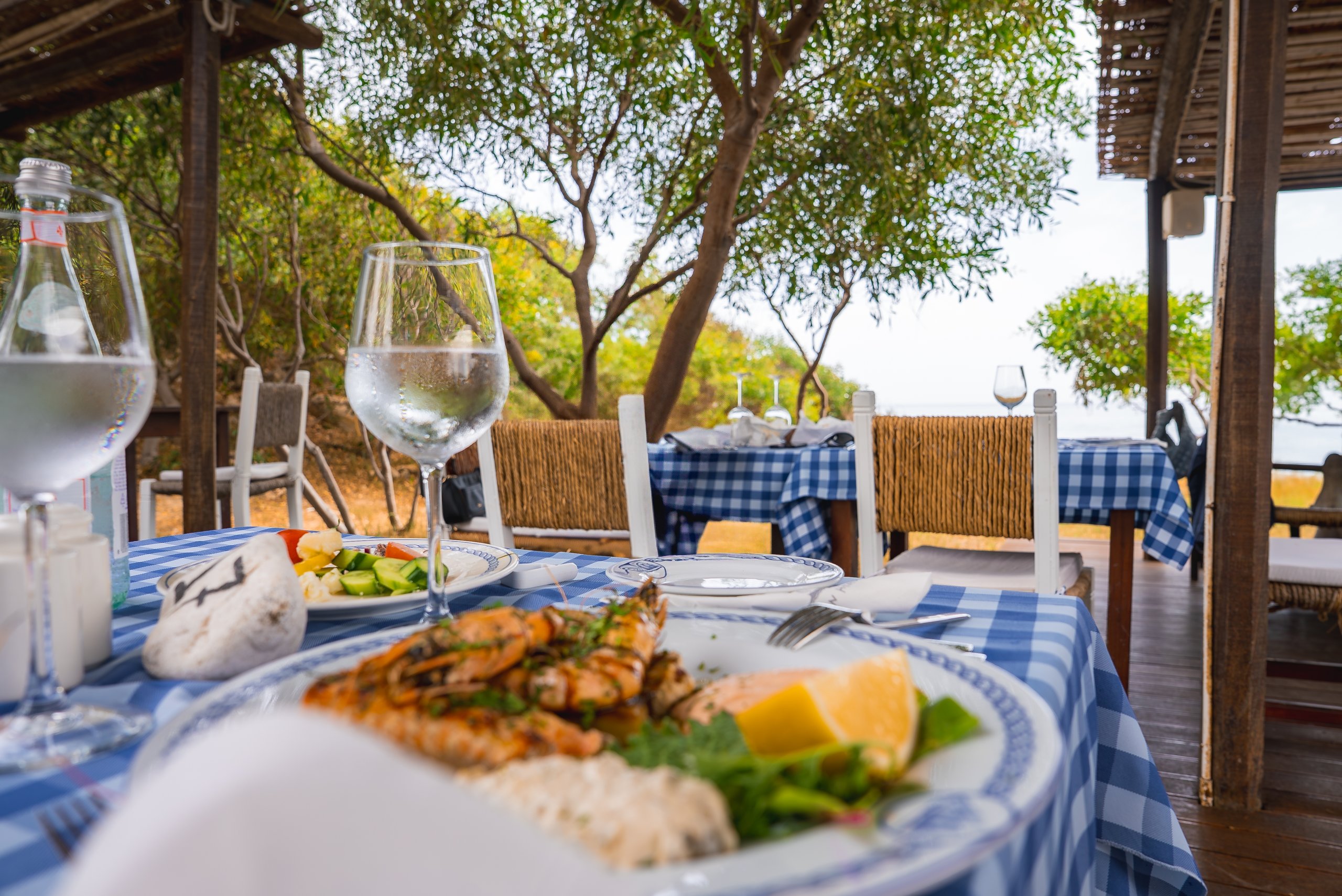




Cyprus isn’t just about beautiful beaches and 300 days of sunshine a year – it’s a country where the food is every bit as vibrant as the scenery. Whether you’re indulging in an endless meze at a village taverna or savouring a hearty dish with a glass of local wine under the stars, eating in Cyprus is an experience that goes far beyond the plate. Learn about the food of Cyprus get salivating for your move overseas.
What makes Cypriot cuisine truly special is the way it blends Eastern Mediterranean influences with its own unique island heritage. This isn’t simply Greek food with a twist – it’s a culinary identity built on centuries of cultural blending, delicious produce and a proud sense of hospitality.
Whether you’re considering moving to Cyprus or dreaming of buying a second home here, understanding the island’s food culture will give you a true taste of what life is like.
Contents
Traditional Cypriot dishes
Food in Cyprus is all about freshness, simplicity and slow enjoyment. At the heart of every traditional Cypriot meal is a focus on quality ingredients – from sun-ripened tomatoes and fragrant herbs to expertly grilled meats and local cheeses.
Let’s start with one of the stars of the show: souvlakia. Unlike the skewers you might have tried elsewhere, in Cyprus they’re cooked over real charcoal, giving them a smoky, irresistible flavour. Often served with salad in a warm pita, souvlakia are a national staple and hit the spot every time.
Other beloved mainstays include kleftiko – fall-off-the-bone lamb baked for hours in a clay oven with potatoes, lemon and herbs. Then there’s stifado, a rich stew made with beef or rabbit, slow-cooked with red wine, onions and warming spices. It’s the kind of dish that feeds the soul as much as the stomach.
You’ll also come across makaronia tou fournou, sometimes called pastitsio, a Cypriot take on baked macaroni with minced meat, béchamel sauce and grated halloumi. It’s comfort food at its best – rich, filling and best enjoyed with a glass of local red wine. In fact, food and wine go hand in hand here, with many homes producing their own.
It won’t be a surprise if you already know about the Cypriot culture of neighbourliness, but what sets Cypriot cooking apart is not just the flavour: it’s togetherness it brings. Most traditional meals are meant for sharing – big platters passed around the table, everyone digging in. Expect to eat slowly, talk endlessly and leave feeling just the right kind of full.
For more information about purchasing abroad, download your copy of our Cyprus Buying Guide:
Download the Cyprus Buying Guide
Vegans and vegetarians in Cyprus
It’s easy to assume that Cyprus, with its love of grilled meats, might pose a challenge for vegetarians or vegans – but that’s not the case. Plant-based dishes have long been part of traditional Cypriot cooking, thanks in part to religious fasting spells and the island’s rich agricultural heritage.
One of the most beloved vegetarian options is louvi – black-eyed beans simmered with greens, onions and a drizzle of lemon and olive oil. Then there’s fasolada, a hearty bean soup found across the island, especially popular during Lent. Beans and pulses are used widely, so you’ll often find dishes made with lentils, white beans, chickpeas or fava.
Stuffed vegetables, known as gemista, are another common sight. Tomatoes, peppers and courgettes are hollowed out and filled with herbed rice or bulgur wheat. They’re slow-cooked and full of flavour.
A more indulgent option is kolokouthkia me ta afka – sliced baby courgettes pan-fried and served with lightly scrambled eggs. It’s a much-loved comfort food, usually enjoyed at lunchtime with hunks of village bread on the side.
Traditional Cypriot salads also deserve a mention. Fresh oregano, cucumber, tomatoes, olives and a generous slab of grilled or raw halloumi cheese feature in many – and the dressings are always made with lemon and extra virgin olive oil.
Thanks to the Mediterranean diet’s natural reliance on seasonal vegetables, olive oil and legumes, Cypriot cuisine is surprisingly plant-friendly. Even in the smallest village restaurants, you’re likely to find something tasty, satisfying and meat-free.
A sweet end to every meal
Desserts in Cyprus are wonderfully varied – some light and fruity, others indulgent and rich. Many of them come from centuries-old recipes passed down through families. The Cypriot sweet tooth may be subtle, but it’s no less satisfying.
Traditional offerings include loukoumades, bite-sized dough balls deep-fried until golden and then soaked in honey syrup, often sprinkled with cinnamon or sesame seeds. They’re addictive and best eaten straight from the pan.
Baklava – delicate layers of flaky filo pastry with chopped nuts and syrup – is also common, though often less sweet than other Mediterranean versions. Then there is galaktoboureko, a semolina custard pie wrapped in crispy pastry and topped with a fragrant citrus syrup.
If you’re after something refreshing on a hot day (and there are many in Cyprus!), try fresh fruit such as melon, watermelon or figs, served with a scoop of creamy local ice cream. During the summer, many restaurants end the meal with complimentary sliced fruit – a welcome, cooling touch after rich mains.
Another classic option is glyko tou koutaliou – literally “spoon sweets.” These are fruits or vegetables (that’s right – even aubergine or pumpkin) preserved in syrup and served in tiny portions with coffee. They’re an acquired taste but a deeply Cypriot tradition.
Whatever you choose, dessert in Cyprus is never rushed. It rounds off the meal gently – often with strong coffee, laughter and a breeze drifting through the terrace.
Dining culture and mealtimes
Food in Cyprus isn’t just about what’s on your plate – it’s about who you’re sharing it with, and how long you take to enjoy it. Meals are social occasions. Very few are eaten in a rush, and almost every celebration centres around a table.
A typical mealtime could last two to three hours, especially when family or friends are gathered. There’s no pressure to move quickly and no such thing as too much conversation. This relaxed approach is part of what makes dining in Cyprus so enjoyable – it’s an integral piece of the island’s lifestyle.
Due to the warm climate, meals start later than in the UK. Lunch is often taken between 1:30 and 3pm, while dinner usually begins around 8pm or later. In summer, it’s not unusual to sit down at 9 or even 10pm – especially at an outdoor taverna.
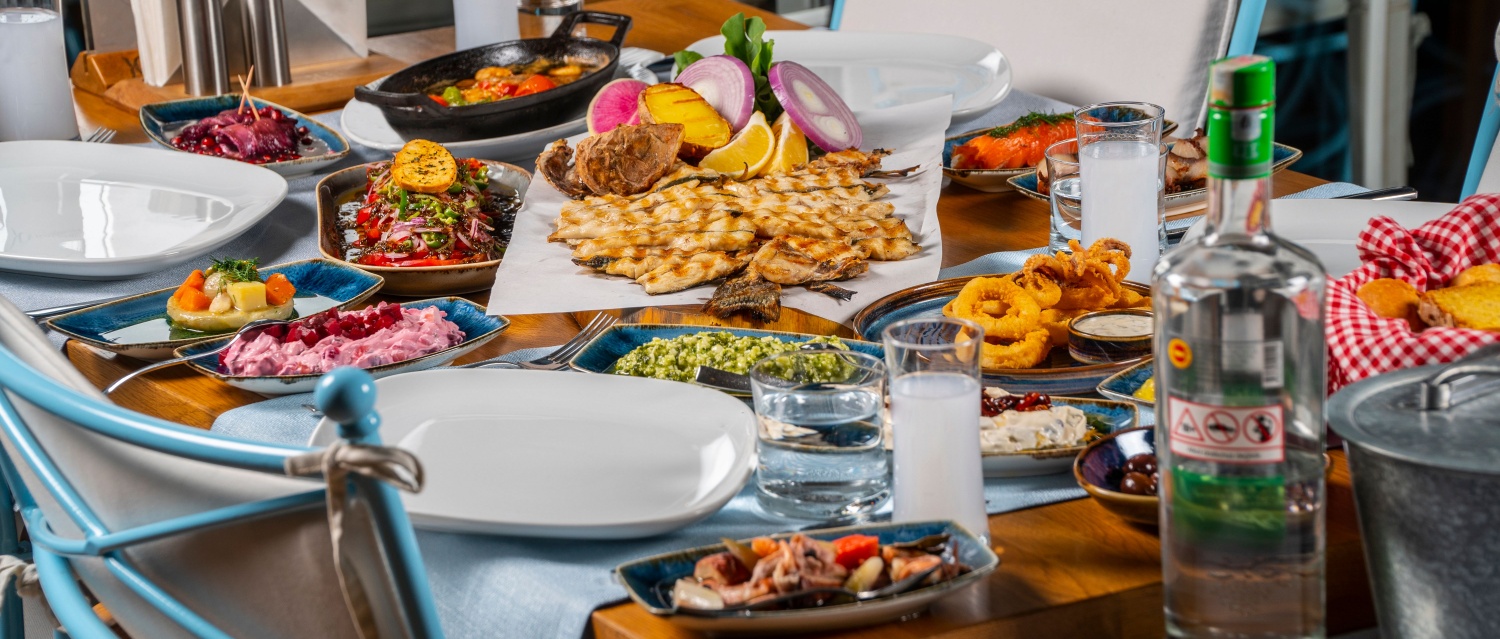
Meze is a perfect example of Cypriot food culture. It’s not a dish, but a parade of small plates – sometimes more than 20 – ranging from dips like hummus and tzatziki, to roast meats, seafood, salads and vegetables. It’s less about indulgence and more about variety. Meze is usually served over several hours, accompanied by good wine and even better company.
Restaurants are an important part of social life. Whether you’re in Larnaca, Paphos or a remote mountain village, you’ll see families and groups dining out together well into the evening. Many locals also dine out during weekends, making advance bookings essential.
The unofficial rule? If you see lots of Cypriots eating somewhere, it’s probably worth your time too.
International cuisine in Cyprus
While the traditional food scene is strong, Cyprus also has an appetite for international flavours. This is especially true in larger towns and coastal cities, where options range from Italian bistros to Asian-fusion eateries and even familiar fast food.
In Limassol, the bustling Marina takes cosmopolitan dining up a notch. Here, you’ll find stylish restaurants like Columbia Steak House, Wagamama and Pizza Express situated alongside more traditional tavernas – ideal if you’re after variety in one location. The Columbia Plaza complex in central Limassol is another hotspot, offering sushi, grills and wine bars with live music and events.
Over in Nicosia, Cyprus’ capital, international chains like Burger King, Starbucks and Taco Bell are easy to find. The city also offers plenty of global street food and boutique cafés, with expanding vegan and gluten-free options.
Larnaca mixes casual beachfront restaurants with trendy fusion spots. Here, traditional fish taverns serve alongside American diners and pizzerias. And yes, there are even places doing decent British-style fish and chips!
Paphos has also embraced diversity. From Mexican and Middle Eastern to Indian and Chinese, there’s no shortage of non-Cypriot dishes – particularly useful for families with mixed tastes.
You’ll still find McDonald’s and KFC across the island, which may offer comfort during your first weeks here. But don’t be surprised if you’re drawn back to the regional flavours – there’s something about the combination of fresh herbs, grilled meats and salty cheeses that’s hard to beat.
Ready to explore everything else Cyprus has to offer? Book a call with one of our property consultants and start planning your journey today.
FAQs about food in Cyprus
Cypriot favourites include souvlakia (charcoal-grilled skewers), kleftiko (slow-baked lamb), stifado (beef or rabbit stew), and makaronia tou fournou – a rich pasta bake with béchamel and halloumi. Meals are often shared and centred around conversation and community.
Yes. Traditional Cypriot cuisine includes many naturally plant-based dishes such as louvi (black-eyed beans), fasolada (bean soup), gemista (stuffed vegetables) and fresh salads. Even in small village tavernas, vegetarian options are widely available and delicious.
Cypriot desserts include loukoumades (honey-soaked doughnuts), baklava, galaktoboureko (custard pie), and spoon sweets like preserved figs or pumpkin. Meals often end with fresh fruit or strong local coffee alongside something sweet.
Meze is a traditional Cypriot dining experience featuring a variety of small plates – often 15 to 20 – served slowly over several hours. Dishes include dips, salads, grilled meats, seafood and vegetables. It’s social, relaxed and best shared with others.
Absolutely. Cities like Limassol, Nicosia, Larnaca and Paphos offer a wide range of international dining – including Italian, Asian, Indian, Mexican and British fare. Fast food chains are also present, but local food remains a firm favourite for residents and expats alike.