
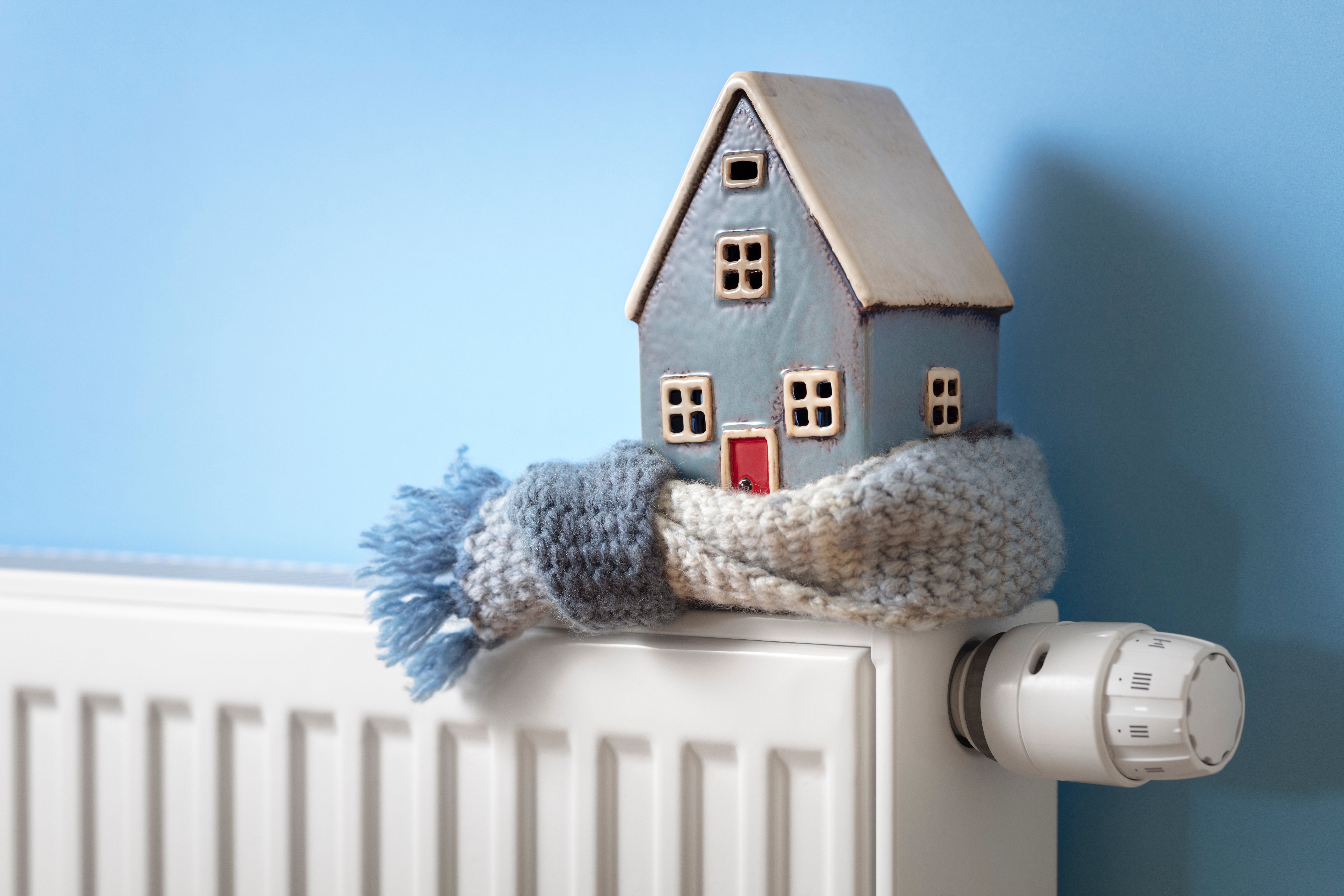


Protecting your UK holiday home in winter is about more than turning the key and hoping for the best – it is about staying one step ahead of frozen pipes, empty-property insurance clauses and opportunistic theft. If you leave your second home empty for weeks at a time, a few simple checks now can save you thousands of pounds and a great deal of stress later.
When you own a UK holiday home, winter brings a different set of responsibilities. Long nights, repeated frosts and Atlantic storms can turn a minor oversight into a costly repair. According to the Association of British Insurers, insurers pay out £1.8 million every day for escape of water claims in UK homes, with frozen and burst pipes a major cause of damage during cold spells. If your property sits empty between bookings or for extended periods, the risk increases – and so does the importance of complying with your insurance policy conditions.
Below, you will find practical steps to help you protect your UK holiday home in winter, drawn from insurer guidance and government advice, along with the rules you need to know if the property is let to paying guests.
Contents
- Why protecting your UK holiday home in winter matters
- Prevent burst pipes in your holiday home
- Ask someone local to check the property
- Secure the exterior and remove obvious risks
- Lock windows and doors properly
- Create and update a detailed inventory
- Check your insurance small print
- Final thoughts on protecting your UK holiday home in winter
- FAQs about how to protect your UK holiday home in winter
Why protecting your UK holiday home in winter matters
If you visit your holiday home every weekend, you are likely to spot a dripping pipe or slipped tile quickly. But if you leave it unoccupied for more than a few days, small issues can escalate. In the UK, winter temperatures regularly fall below 0°C, particularly overnight in inland and northern areas. When water freezes inside pipework, it expands. That pressure can cause pipes to split, often in sections you cannot see – such as loft spaces or behind walls.
Unfortunately, many claims are reduced or declined because policy conditions for unoccupied properties have not been met. In practice, that often means insurers require either:
- the water supply to be turned off and the system drained, or
- the heating to be kept on continuously at a minimum temperature.
If you are renting the property out as a furnished holiday let, your mortgage lender and insurer may impose additional conditions, so winter planning becomes part of your overall investment strategy.
Prevent burst pipes in your holiday home
Preventing frozen pipes is the single most important step in protecting your UK holiday home in winter. You have two main options.
First, turn off the water at the mains and drain down the system if the property will be empty for more than 48 hours. Run all taps until water stops and consider draining toilets and appliances in line with manufacturer guidance.
Second, keep the heating on continuously at a low setting. Many insurers specify a minimum of 10°C–15°C. Maintaining a low background temperature can help prevent condensation and pipe freezing in winter. Avoid relying solely on a timer during severe cold spells, as pipes can still freeze between heating cycles.
If you choose to keep the heating on:
- Leave the loft hatch open to allow warm air to circulate around pipework.
- Lag pipes in lofts, basements and other unheated spaces using suitable insulation.
- Check that boiler pressure is correct before you leave.
If you are unsure, ask a Gas Safe registered engineer to inspect the system before winter.
Ask someone local to check the property
If you live hours away – or overseas – you need a reliable pair of eyes nearby. Ask a neighbour, cleaner or property manager to check the house regularly, especially during cold snaps. Provide emergency contact details and clear instructions about what to do if they spot a problem.
Regular inspections can also support an insurance claim if required. Many policies for second homes specify that properties must be inspected every 7–14 days when unoccupied. Keep a simple log of visits with dates and signatures.
Secure the exterior and remove obvious risks
Before winter sets in, walk around the outside of your property as though you were viewing it for the first time. Remove ladders, garden furniture and tools that could help someone gain access. Check that outbuildings are locked and that boundary gates close properly.
Do not leave spare keys under mats or plant pots. If you use a key safe, ensure it is insurance-approved and consider removing keys entirely if the house will be empty for an extended period.
Simple steps such as fitting motion-sensor lighting and visible security cameras can act as a deterrent. Crime levels vary by area, so review local police data for your postcode via police.uk to understand patterns in your region.
Lock windows and doors properly
It sounds obvious, but insurers regularly reduce claims where there is no sign of forced entry. Make sure all external doors have British Standard locks and that windows close securely.
If your property has older wooden frames, check for warping before winter rain sets in. Even a small gap can allow water ingress, leading to damp and mould – problems that are harder to tackle in an unheated house.
Create and update a detailed inventory
If you let your property to guests, you probably already have an inventory. In winter, review it carefully. List appliances, electronics and higher-value items with make, model and serial number. Take clear photographs and store them securely in cloud storage.
Should the worst happen, this record will support both police reports and insurance claims. It also helps you track wear and tear between guest stays.
Check your insurance small print
Many holiday home policies include specific ‘winter warranty’ conditions. These typically apply between December and March and set out exactly what you must do when the property is unoccupied. Some policies also impose an excess on escape of water claims during this period.
Read the wording carefully each year. If you switch insurers or change how you use the property – for example, moving from occasional personal use to full furnished holiday letting – update your policy immediately. Non-disclosure can invalidate cover.
Final thoughts on protecting your UK holiday home in winter
Owning a second home in the UK should feel rewarding, not stressful. A structured winter plan, clear communication with your insurer and a trusted local contact can make all the difference. By acting early each autumn, you protect both your property and your investment returns – and you avoid coming back to a freezing house and a call to your insurer.
FAQs about how to protect your UK holiday home in winter
Most insurers require you to maintain a minimum temperature between 10°C and 15°C if you choose not to drain the system. In practice, 12°C–15°C provides a safer margin during prolonged cold weather. Always check your own policy wording, as this figure can vary.
The ‘10-year rule’ usually refers to a planning concept in England. If a property has been used continuously as a short-term holiday let for 10 years without enforcement action, you may apply for a certificate of lawfulness to confirm that use. This can be relevant if there was no explicit planning permission for holiday letting. Planning rules differ in Wales, Scotland and Northern Ireland, and some areas now require specific consent for short-term lets, so always check with your local planning authority.
If you are leaving any UK property empty during winter, not just a holiday let, follow these steps:
• Turn off and drain the water system or maintain constant low heating.
• Ask someone to inspect the property regularly.
• Set light timers to create the appearance of occupation.
• Inform your insurer if the property will be empty beyond the period allowed under your policy.
• Redirect post so it does not build up behind the door.
Taking these precautions means you can focus on enjoying your time away rather than worrying about what is happening back at the house.