

The best places to buy a holiday home in the UK combine reliable rental demand, easy access and locations you’ll want to return to year after year. From Cornish harbour towns to smart south coast resorts and Cotswold villages, these are the destinations worth considering for your second home.
If you’ve spent years holidaying in the same corner of Britain, the idea of owning your own place there can start to feel less like a dream and more like a sensible next step. The UK’s domestic tourism market remains resilient, with millions of overnight trips taken each year, helping to support strong demand in established coastal and countryside hotspots. The key is choosing somewhere that works on two levels – a property you are excited to use yourself and one that can generate consistent income when you’re not there. Below, you will find locations that strike that balance, along with practical insight to help you make an informed decision.
Contents
Where are the best places to buy a holiday home in the UK?
1. Whitstable, Kent
If you want to keep London within easy reach, Whitstable is a great option. High-speed trains connect you to St Pancras in around 70 minutes, making it entirely feasible to use your property for long weekends.
The town’s weatherboard cottages, working harbour and long-standing oyster trade give it a character that feels different from other Kent seaside towns. You will also find independent restaurants and pubs that stay busy outside peak summer weeks – an important factor if you plan to let.
VisitEngland data shows that the Southeast consistently ranks among the top regions for domestic overnight trips. That steady flow of visitors supports year-round bookings rather than just school-holiday spikes.
As a guide, flats typically start around the low £300,000s, with period houses near the sea commanding significantly more, depending on condition and exact location.
2. Tenby, Pembrokeshire
Tenby offers something slightly different. In high summer it is packed, with harbour beaches and pastel terraces filling up quickly. In winter it settles into a quieter pace. That clear seasonality can work well if you are realistic about occupancy rates.
The town sits within the Pembrokeshire Coast National Park – the only coastal national park in the UK – which covers 629 square kilometres. That protected status limits overdevelopment and underpins long-term appeal.
Cottages in and around the old town can still be found from around £200,000–£250,000, although prime sea-view homes command a premium. Accessibility is more limited than in Kent or Sussex, so factor in drive times if you plan to use your holiday home for frequent short breaks.
3. St Ives, Cornwall
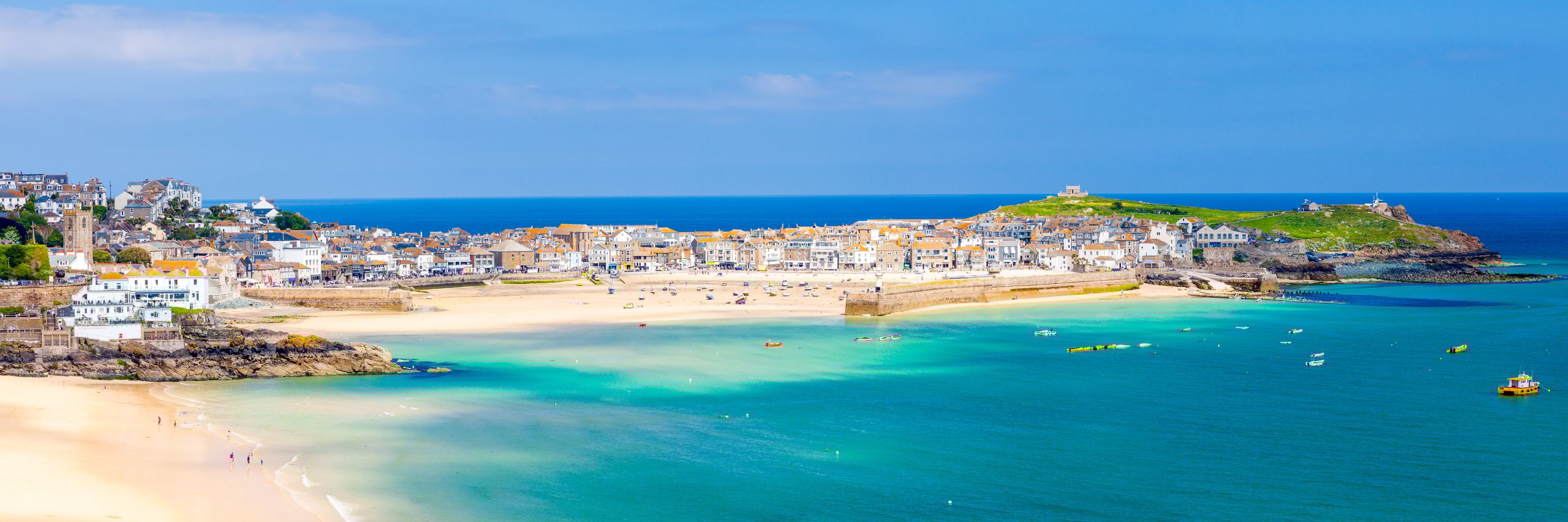
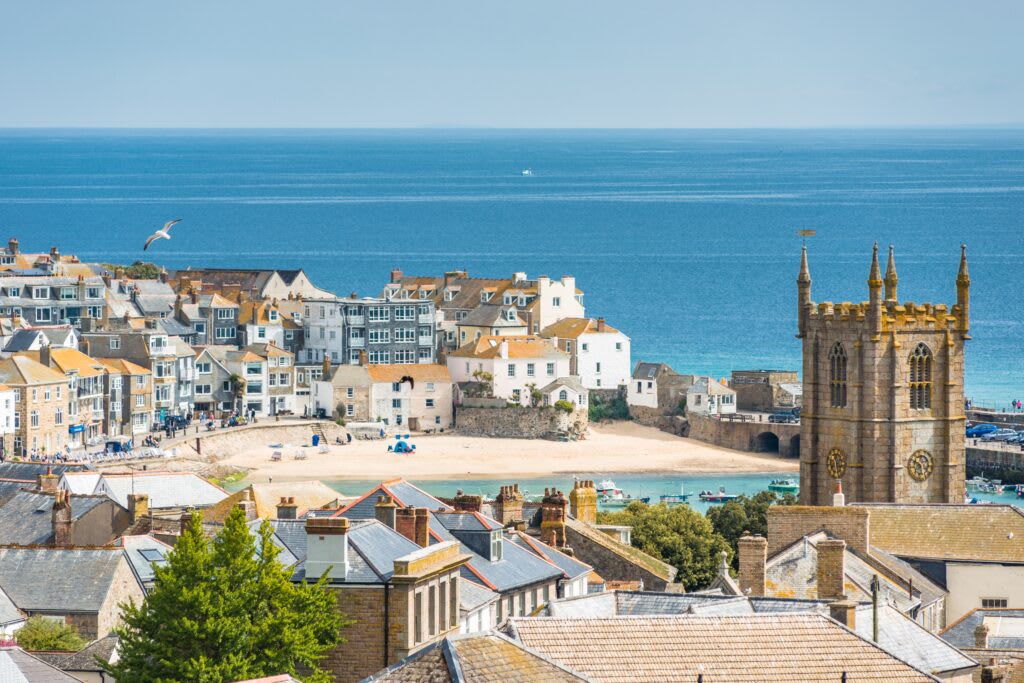
Cornwall consistently ranks among the UK’s most popular holiday destinations, supporting strong demand for holiday lets in hotspots such as St Ives.
You already know the draw – compact beaches, a busy harbour and the Tate St Ives anchoring the cultural scene. If rental income forms part of your plan, think carefully about what visitors actually book here. Compact cottages close to the harbour and well-located apartments usually perform better than larger homes tucked further out.
Entry prices in the town itself are often around £200,000–£300,000 for smaller properties, but premium homes can rise steeply above that. Cornwall Council has introduced planning restrictions on some new-build second homes, so always check local rules before committing.
4. Bourton-on-the-Water, Cotswolds
If you prefer honey-coloured stone to sea views, Bourton-on-the-Water gives you access to the Cotswolds Area of Outstanding Natural Beauty, recently renamed the Cotswolds National Landscape.
Tourism here is not confined to summer. Walking, food festivals and proximity to Cheltenham’s racing calendar extend the season. That steadier flow of visitors can help create more consistent rental income across the year.
Expect asking prices for village houses to begin around £250,000, rising sharply for detached period homes. As always in the Cotswolds, parking and flood risk checks are essential due to the River Windrush running through the centre.
5. Eastbourne, East Sussex
Eastbourne is one of the sunniest places in the UK. Another draw is that it’s only about 80–90 minutes by train from London and under an hour from Gatwick by car.
The western side of town, closer to Beachy Head, generally commands higher prices and stronger resale demand. You will find Victorian houses divided into flats as well as purpose-built seafront apartments.
Entry-level flats can start around £150,000, making Eastbourne one of the more accessible south coast options. If you plan to let your home, being close to the pier, theatres and the South Downs National Park can make it far more appealing to guests.
6. Cromer, Norfolk
Cromer sits on the north Norfolk coast and retains a classic pier and sandy beaches. Norfolk continues to attract millions of domestic visitors each year, supporting steady demand for well-located holiday lets.
Prices remain comparatively modest. Apartments can begin around £150,000, with larger villas and farmhouses above £400,000. Because it a little harder to reach than places like Sussex and Kent, prices here are often more accessible than on the south coast. For some buyers, that relative remoteness is the attraction.
7. Beverley, East Yorkshire
Beverley combines a historic minster, Georgian streets and a busy Saturday market. It is also within reach of the Yorkshire coast and York itself.
While Yorkshire is often seen as better value, prime family houses can still exceed £500,000. However, it is possible to find well-located apartments for less than £200,000.
Yorkshire continues to attract strong domestic visitor numbers, and if you want to appeal to racegoers and weekend visitors, being close to Beverley Racecourse can work in your favour.
8. The Isle of Wight
The Isle of Wight is around two hours from London including the ferry crossing, making it surprisingly practical. Around 50 per cent of the island is designated as an Area of Outstanding Natural Beauty.
Towns such as Cowes, Ryde and Ventnor each attract different types of visitor – sailing enthusiasts, traditional family holidaymakers or walkers.
Sea-view apartments generally start around £300,000, with detached houses with gardens often closer to £700,000. Ferry costs and travel logistics are important to factor into both your own usage and guest appeal.
Summary
The best places to buy a holiday home in the UK are those that combine consistent rental demand, good transport links and the kind of setting you will want to return to year after year. They include places like Whitstable for easy access from London, St Ives for proven tourism appeal and Eastbourne for sunshine and value on the south coast, as well as Tenby, the Isle of Wight and the Cotswolds for buyers seeking a mix of lifestyle and long-term investment potential.
*Average property prices sourced from HM Land Registry UK House Price Index and Price Paid Data, latest available data at time of writing.
Frequently asked questions
There is no single answer. If you want quick access from London, look at Whitstable or Eastbourne. If rental yield in peak summer matters most, St Ives or Tenby may suit you. If entry price is your priority, Cromer or parts of Beverley could offer better value. The best place is the one you will use regularly and can realistically let for enough weeks each year to justify the costs.
The so-called 10 year rule usually refers to Capital Gains Tax relief. If a property has qualified as a furnished holiday let and you have claimed certain reliefs, including Business Asset Disposal Relief, specific conditions must be met over ownership. Tax rules change, so you should always confirm your position with a qualified adviser before relying on any relief.
Financially, it depends on three factors – purchase price, financing costs and realistic occupancy rates. Furnished holiday lets that meet HMRC criteria can benefit from specific tax treatment, including capital allowances and certain reliefs. However, mortgage rates and local council rules on short-term lets can significantly affect your returns. Emotionally, many buyers place value on having a familiar base. If you have returned to the same town for 10 summers, ownership can make sense, particularly if you offset costs with lettings.