

Thinking about buying in the Cotswolds? From well-connected market towns to sleepy country villages, here’s where you should focus your search – and what you can expect to pay.
You already know the Cotswolds isn’t just a weekend escape. If you’ve spent time here over the years – walking the lanes outside Burford, having lunch in Tetbury or catching the train back from Moreton-in-Marsh – you’ll understand the pull. The question is no longer why buy here, but where.
The Cotswolds covers almost 800 square miles across Gloucestershire, Oxfordshire and parts of Wiltshire and Worcestershire, designated as an Area of Outstanding Natural Beauty (AONB) by Natural England. In practical terms, you’re looking at the area framed by the M4, M5 and M40. Within that triangle, prices, pace of life and property stock vary more than many buyers expect.
Contents
Best places to buy in the Cotswolds for value, schools and connections
Before zooming in on specific towns and villages, it helps to understand pricing across the region.
According to the Office for National Statistics, the average property price in the Cotswolds local authority area was £416,000 in December 2025, compared to the UK average of £270,000. Detached homes command a significant premium, reflecting the area’s focus on larger family properties and period houses.
Space is a major price driver. Many older village cottages offer fewer square metres than you might expect. If you’re planning to extend, factor in conservation restrictions – much of the region sits within protected landscape or conservation areas.
Here are the locations worth having on your shortlist:
1. Tetbury
If you enjoy a lively high street and strong community feel, Tetbury is worth serious consideration.
You’ll know it for its royal connections – Highgrove House sits just outside town – but Tetbury’s appeal runs deeper. The town has long been associated with antiques, with a concentration of independent dealers along Long Street. Unlike many small towns, it has resisted the spread of national chains, so you’ll still find independent cafés, butchers and homeware shops.
For buyers, Tetbury works well if you want a walkable centre but prefer a quieter setting than larger hubs like Cheltenham.
Property prices reflect that balance. Detached homes typically command a premium, while terraced cottages and smaller townhouses provide more accessible entry points. As always in the Cotswolds, condition and parking make a substantial difference to value.
2. Coln St Aldwyns
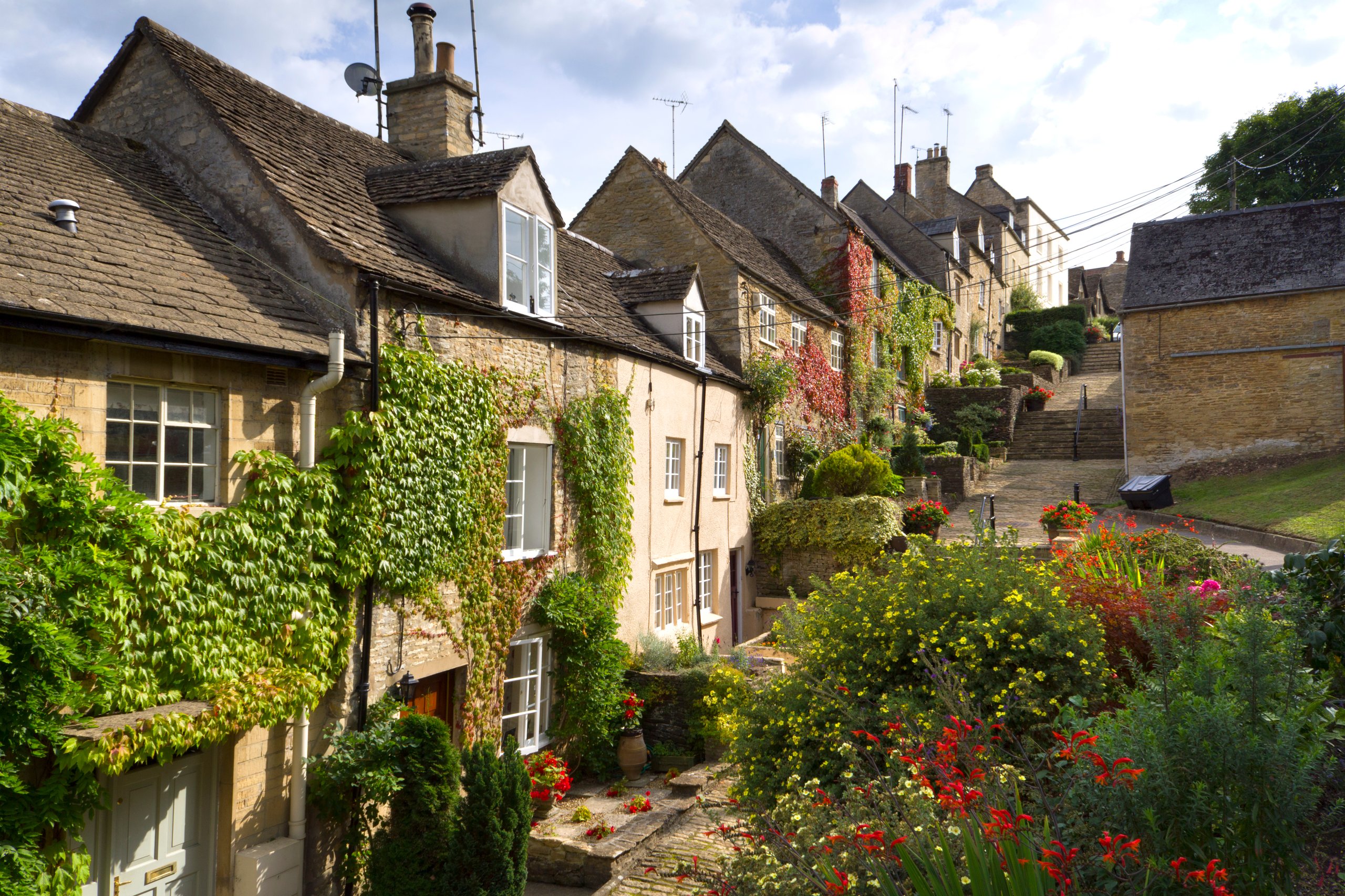
If your image of the Cotswolds centres on stone cottages beside a gently flowing river, Coln St Aldwyns will not disappoint.
A short drive from Cirencester, the village has a primary school, a prep school nearby, a pub and a village shop with post office facilities. It’s the sort of place where you’ll quickly recognise your neighbours.
However, availability is limited. Property rarely comes to market and when it does, competition is fierce. Larger houses and period properties can command prices well above the regional average. That said, occasional smaller cottages offer opportunities if you are prepared to move quickly.
One practical point – proximity to Bibury means summer and bank holiday traffic can increase noticeably. If you’re planning to live there full-time, visit at different times of year before committing.
3. Moreton-in-Marsh
For buyers who want rail access to London without sacrificing a traditional market town setting, Moreton-in-Marsh is a smart choice.
Positioned in the Evenlode Valley on the historic Fosse Way, the town hosts a long-running weekly market dating back to the 13th century. More importantly for many holiday-home owners and commuters, the railway station offers direct services to London Paddington in around 90 minutes.
Homes within walking distance of the station are in high demand. Detached properties command higher prices, but you’ll also find townhouses and cottages that offer relative value compared with some of the more headline-grabbing villages.
If you split your time between London and the Cotswolds, Moreton’s connectivity is a big draw.
4. Northleach
Northleach strikes a balance between village scale and practical amenities.
Close to Cheltenham, it appeals to families thanks to its primary school, active community life and local services including a butcher, post office and pubs. Unlike some postcard villages that function largely as weekend destinations, Northleach has year-round activity.
Interestingly, while the overall average price can appear high due to larger period houses, semi-detached homes and smaller properties can offer better value than buyers expect. If you’re seeking a manageable family home rather than a grand residence, Northleach deserves attention.
5. Cheltenham
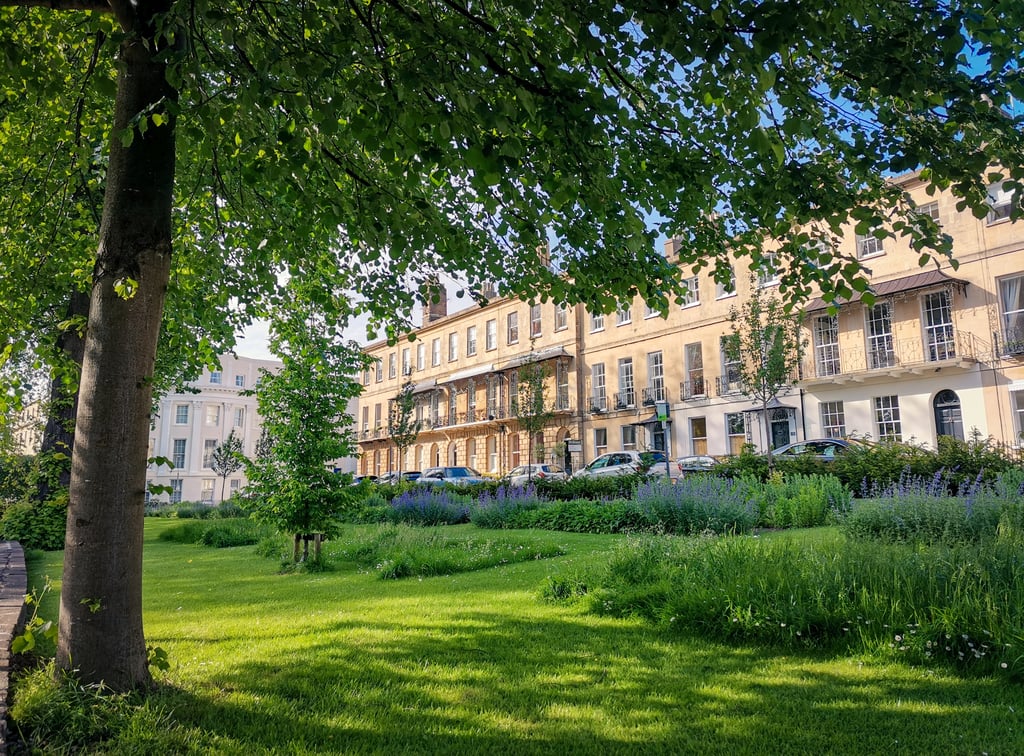
If village life feels a little too quiet for you, Cheltenham offers culture, convenience and a thriving town atmosphere.
Known for its Regency architecture and annual festivals – including literature, science and jazz – Cheltenham offers a broader property mix than most Cotswold settlements. You’ll find apartments in converted townhouses, classic terraces and substantial detached homes.
For schooling, the town is particularly strong, with a mix of respected independent and state options. Areas such as Montpellier and Pittville are typically the most expensive, while districts like The Reddings offer newer housing at more moderate price points.
Cheltenham works well if you want restaurants, events and transport links on your doorstep rather than a purely rural setting.
Buying in the Cotswolds what you should know
Before making an offer, consider these practical factors:
- Planning controls are strict across much of the region due to AONB status.
- Flood risk assessments are essential in river-adjacent villages.
- Parking and access can materially affect resale value.
- Broadband speeds vary – check before exchange if you plan to work remotely.
You should also review recent Land Registry data for your chosen parish to understand pricing trends rather than relying solely on asking prices.
Frequently asked questions about living in the Cotswolds
Desirability depends on what you value. For rail access and amenities, Moreton-in-Marsh scores highly. For exclusivity and riverfront settings, villages such as Coln St Aldwyns are frequently cited. Buyers seeking culture and schooling often favour Cheltenham.
David and Victoria Beckham own a country property in the Great Tew area of Oxfordshire, on the eastern edge of the Cotswolds. Great Tew has become known for high-profile residents and proximity to Soho Farmhouse.
Villages such as Bibury, Kingham and Lower Slaughter are often described as among the most attractive due to their period buildings and village greens. However, “nicest” is subjective – visit in person to judge atmosphere beyond appearance.
The northern Cotswolds – particularly areas around Chipping Norton, Great Tew and Stow-on-the-Wold – are widely regarded as the most expensive, driven by second-home demand and high-profile buyers. Villages around Cirencester also tend to sit at the higher end of the market, particularly those with larger houses and easy access into town.