

Cornwall is a county shaped by coastline, creative communities and a property market that has shifted dramatically in recent years. From working harbours to inland market towns, these are the seven best places to live in Cornwall right now.
You already know Cornwall beyond the postcards. You’ve walked the harbour walls in a February gale, queued for pasties in August and wondered what it would actually be like to have your own front door here.
In recent years, demand from relocating buyers and second-home owners has driven prices sharply higher in some hotspots, while other areas still offer genuine value. The key is knowing which locations suit your plans. Below, you’ll find seven of the best places to live in Cornwall, with insight into property prices, lifestyle realities and what to weigh up before you commit.
Contents
The 7 best places to live in Cornwall for lifestyle and long-term value
According to the latest Office for National Statistics data, Cornwall’s population was 583,289 in 2024, and it has grown steadily over the past decade as more buyers relocate from elsewhere in the UK. That demand has reshaped parts of the property market, particularly in sought-after coastal towns. The key is choosing the area that fits your plans – whether that’s a full-time move, a holiday base or a longer-term investment.
1. St Ives
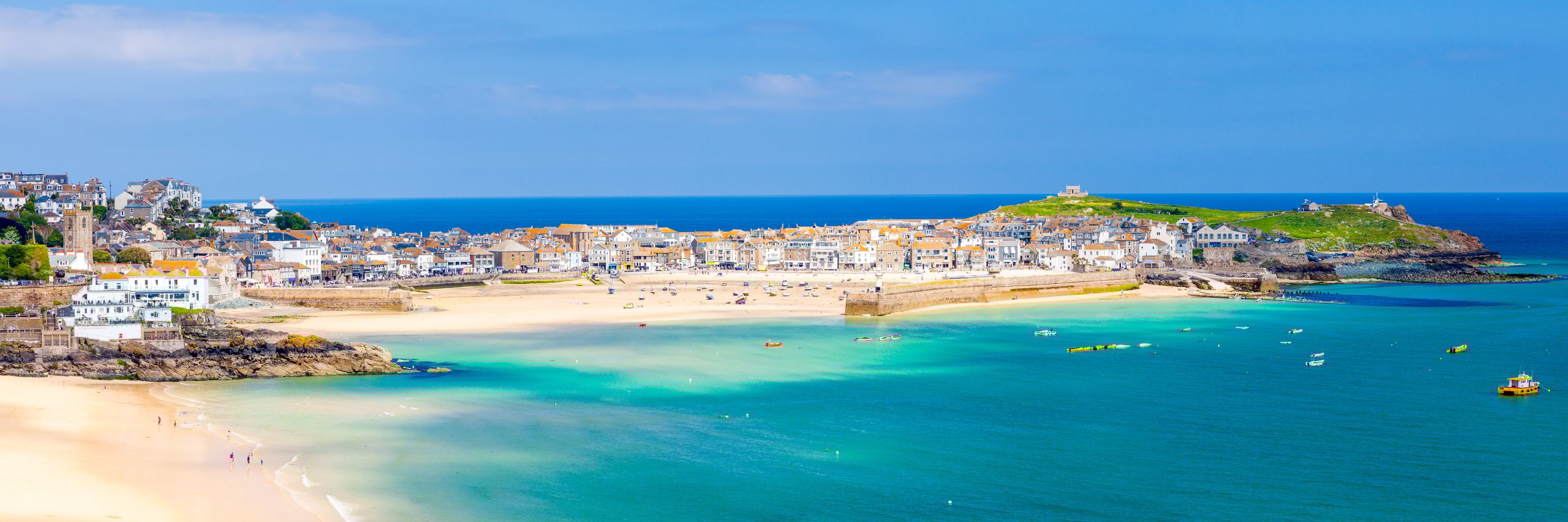
If you’re looking for year-round energy and a strong arts scene, St Ives is hard to beat. The Tate St Ives and the Barbara Hepworth Museum sit at the heart of creative life, while independent galleries and studios line Fore Street and the surrounding lanes.
High demand has reshaped the local housing landscape. Following a 2016 referendum, most new-build properties are restricted to primary residences rather than second homes. The policy, later upheld by the High Court, has constrained supply and continues to influence pricing and availability.
According to the latest data, the average house price in St Ives is £498,000. Flats are generally less, but family houses with parking command a premium.
2. Falmouth
On the south coast, Falmouth offers you more than beaches. It has Falmouth University’s creative campus and a working harbour that supports marine businesses and sailing events throughout the year. Pendennis Castle is a reminder of Falmouth’s long-standing strategic importance as a port.
Falmouth sits on the Fal Estuary within an Area of Outstanding Natural Beauty, now known nationally as a National Landscape. The town also benefits from a direct rail branch line to Truro, linking to the mainline to London Paddington.
Average house prices in Falmouth are around £400,000. Compared with St Ives, you’ll often get more space for your budget and a stronger off-season economy.
3. Mousehole
Mousehole, pronounced ‘Mow-zull’, is compact, close-knit and steeped in fishing heritage. It’s a short drive from Newlyn and Penzance, with easy access to west Cornwall’s coastal paths.
Its tight streets and historic cottages mean limited parking – something you should factor in if you’re planning to stay long term. Community events such as Tom Bawcock’s Eve in December bring residents together in a way that feels genuinely local rather than staged.
Average property prices in Mousehole are around £429,000, however, availability is limited, and well-positioned homes don’t stay on the market for long.
4. Fowey
Set on a deep natural harbour, Fowey attracts sailing enthusiasts and buyers seeking period property.
Despite its reputation for affluence, Fowey remains a working port linked to the china clay industry. Ferries run across the estuary to Polruan, and you’re within reach of the South West Coast Path.
Houses in Fowey are priced at around £520,000, on average.
5. Padstow
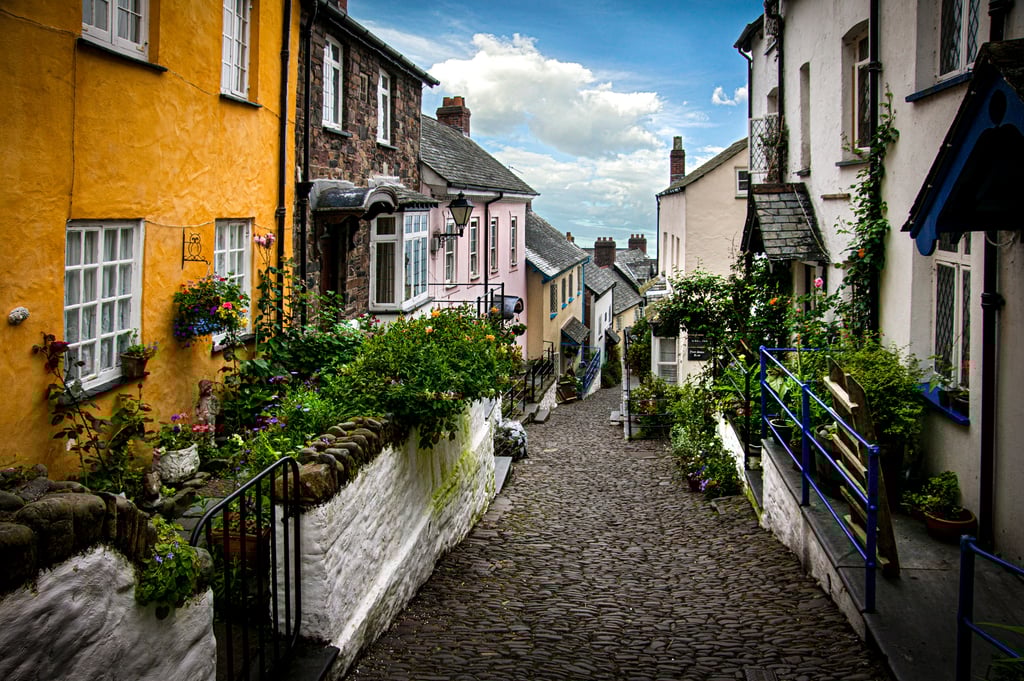
Padstow has gained a reputation as one of Cornwall’s leading food towns, helped by long-established restaurants and strong tourism demand. The Camel Trail cycle route links you inland towards Wadebridge and Bodmin Moor, which broadens its appeal beyond summer visitors.
There are seven beaches within a short drive, including Trevone and Harlyn Bay, which keeps rental demand high during peak season.
The latest data shows Padstow’s average property prices in the region of £476,000. If you’re buying a holiday home, factor in the quieter winter months when estimating potential rental income.
6. Kingsand and Cawsand
On the Rame Peninsula, these twin villages give you proximity to Plymouth via ferry while feeling removed from city life. That connection matters if you still need access to larger employers or secondary schools.
Many homes are period cottages, though former coastal forts have been converted into apartments. You’re also close to Mount Edgcumbe Country Park, which adds green space and walking routes.
The average price of a property is around £462,000 in Kingsand and £418,000 in Cawsand. Availability is limited, and desirable homes can attract multiple buyers.
7. Launceston
If you want better value and don’t mind being aways from the coast, Launceston is a good option. You’re near the A30 for access into Devon and towards Exeter, and close to Bodmin Moor for walking.
Launceston Castle overlooks the town centre, where regular markets form part of weekly life. While you won’t have a beach on your doorstep, you will typically get more house for your money.
Average house prices in Launceston are in the region of £247,000.
Buying a house in Cornwall – what you should consider
Transport links can be slower than the map suggests. The rail journey from St Ives to Plymouth, for example, can take around two hours with changes. In reality, you’ll likely rely on a car.
The Royal Cornwall Hospital in Truro is the county’s main hospital, with smaller community hospitals across the county. If you’re planning a permanent move, it’s worth checking local GP availability early on.
If you’re considering a holiday let, check Cornwall Council’s current rules on second homes and council tax premiums. Since April 2025, second homes now attract council tax premiums of up to 100 per cent, depending on circumstances.
Finally, it’s a good idea to spend some time in your chosen town in both winter and summer to get a feel for the lifestyle throughout the year.
*Average property prices sourced from HM Land Registry UK House Price Index and Price Paid Data, latest available data at time of writing.
FAQs about living in Cornwall
‘Nicest’ depends on how you define it. If you want culture and energy year-round, St Ives and Falmouth stand out. If you prefer quiet coastal living, Kingsand and Cawsand may suit you better. For value and practicality, Launceston is a good option.
Padstow, St Ives and Fowey consistently attract strong visitor demand, making them ideal for holiday letting. Before buying, check Cornwall Council’s latest guidance on second homes and short-term lets, and run realistic income forecasts based on off-season occupancy.
West Cornwall, including areas around Penzance and St Ives, benefits from a mild maritime climate influenced by the Gulf Stream. The Met Office data shows that Cornwall records some of the highest average annual sunshine totals in the UK, particularly along the south and west coasts.