




Owning a rental property in Florida does not have to mean a large tax bill. In fact, with the right structure and a clear understanding of allowable expenses, many overseas owners find their taxable income is far lower than expected.
If you already know Central Florida or the Gulf Coast well, you’ll also know that a home rarely sits empty for long. That steady rental demand is exactly why understanding how tax works – and what you can legitimately deduct – matters so much before you buy.
Contents
- Rental income tax in Florida explained for overseas owners
- How rental property tax actually works in practice
- Short-term rental taxes in Florida
- The expenses you can offset against rental income
- A simple example of how tax is reduced
- What UK buyers often get wrong
- Should you use a US tax specialist?
- Final thoughts
- FAQs about rental income tax in Florida
Rental income tax in Florida explained for overseas owners
If you rent out a property in Florida as a non-resident, you are required to report that income to the US Internal Revenue Service (IRS). This applies whether you let it out for a few weeks a year or operate it as a full-time holiday rental.
If you are based in the UK, you may need to declare your US rental income to HMRC as well as the IRS. However, the UK–US tax treaty is designed to prevent double taxation. In practice, this means you can usually offset the tax you pay in the US against your UK tax liability, although you will still need to file in both countries.
The key point many UK buyers miss is this: you are not automatically taxed on the full rental income. Instead, you can deduct a wide range of costs before arriving at your taxable profit.
Florida itself does not charge state income tax, which simplifies things. Your liability is therefore at a federal level only, although local rules around short-term rentals still apply depending on the county or zoning area you buy in.
How rental property tax actually works in practice
As a non-resident owner, you typically have two options:
- Pay a flat 30% withholding tax on gross rental income
- Elect to be taxed on net income (after expenses), which is usually far more favourable
Most overseas buyers choose the second option. This allows you to treat your property as a business and deduct costs in a structured way.
You will also need to file an annual US tax return (Form 1040-NR), even if your final tax bill is low or zero.
Short-term rental taxes in Florida
If you plan to rent your property to holidaymakers for shorter stays, there is another layer of tax to factor in.
In Florida, rentals of six months or less are treated similarly to hotel stays. This means you may need to collect and pay:
- Florida sales tax, typically around 6%
- A local tourist development tax, which can add a further 5% to 6% depending on the county
In popular areas such as Orlando and Kissimmee, this can bring the total to around 11% to 12% on top of your rental rate.
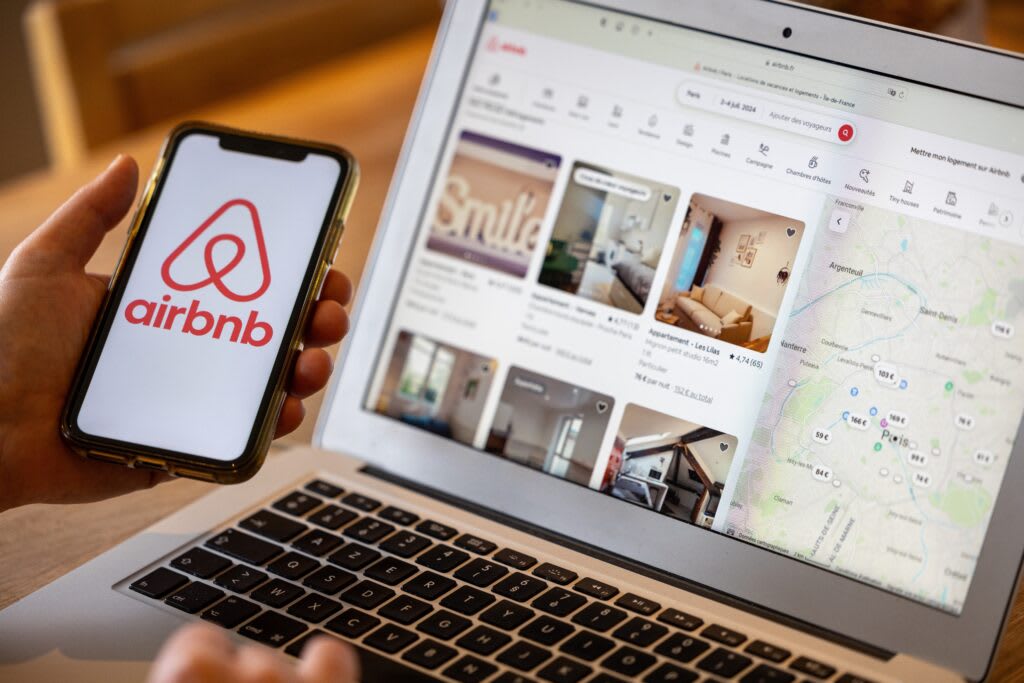
If you use platforms such as Airbnb, these taxes are often collected and paid on your behalf. However, if you take direct bookings, you are usually responsible for registering, collecting and submitting these taxes yourself.
The expenses you can offset against rental income
One of the biggest advantages of owning a rental property in Florida is the breadth of deductible expenses. These reduce your taxable income – sometimes significantly.
Mortgage interest
You can deduct the interest portion of your mortgage payments against rental income, which is often one of the largest offsets in the early years of ownership.
Booking platforms and marketing
Fees from platforms such as Airbnb or Vrbo, along with any direct advertising costs, are considered business expenses and can be deducted.
Utilities
Electricity, water, internet and other utility bills can be partially deducted based on how often the property is rented versus personal use.
Cleaning and ongoing maintenance
Cleaning services, gardening, pool care and general upkeep all count as allowable expenses. Even smaller recurring costs add up over a year.
Repairs
Fixing wear and tear – from repainting to replacing appliances – is deductible, provided it maintains rather than upgrades the property.
Property taxes
Local property taxes can be offset against rental income, reducing your overall liability.
Insurance
Landlord insurance or additional cover required for short-term rentals can be deducted either fully or proportionally.
Furnishings and guest supplies
Items such as furniture, linens and welcome packs for guests are considered part of running a rental business.
Local services
Municipal charges such as waste collection may also be included as deductible costs.
Structural improvements
Larger works, such as a new roof or extensions, are treated differently. These are typically depreciated over time, rather than deducted in one year.
A simple example of how tax is reduced
| Item | Amount ($) | Notes |
|---|---|---|
| Annual rental income | 30,000 | Gross income from bookings |
| Total deductible expenses | 18,000 | Mortgage interest, utilities, management, etc. |
| Taxable income | 12,000 | This is what you are taxed on |
This is why many owners find their actual tax bill is far lower than expected.
What UK buyers often get wrong
Even if you’ve owned property abroad before, Florida works slightly differently. A few common pitfalls include:
- Assuming you’ll be taxed on the full rental income
- Not realising you must file a US tax return every year
- Missing out on deductions by not using a US-based tax specialist
- Buying in an area where short-term rentals are restricted
Getting these details right early on can make a noticeable difference to your returns.
Should you use a US tax specialist?
In practice, most overseas buyers do.
The US tax system gives you flexibility, but it also requires accurate reporting. A specialist can help you:
- Elect for the most tax-efficient treatment
- Ensure all allowable expenses are claimed
- Stay compliant with IRS requirements
Given the potential savings, this is usually money well spent.
Final thoughts
Rental income tax in Florida is often far less daunting than it first appears. Once you understand how deductions work and structure your ownership correctly, it becomes a manageable – and sometimes surprisingly efficient – part of owning a US property.
FAQs about rental income tax in Florida
Yes. As a non-resident owner, you must declare rental income to the IRS. However, you are only taxed on your profit after allowable expenses, not the full income, if you elect the appropriate tax treatment.
Florida does not charge state income tax. Instead, you pay US federal tax, which varies depending on your taxable income after deductions. Many owners reduce their effective rate significantly through expenses.
The 2% rule is an informal guideline used by investors. It suggests that a property should generate monthly rent equal to around 2% of its purchase price. In Florida, this is rarely achievable in today’s market, so most buyers focus instead on occupancy rates and long-term capital growth.
You might also like: