


New driving rules, low-emission zones, rising household costs and tighter reporting requirements – here’s what’s changing in Spain in 2026 and what it means for you if you live there or own a home.
A new year in Spain rarely arrives quietly. From changes that affect how you drive and heat your home to new rules around payments, scooters and smoking, 2026 brings a raft of updates worth understanding. If you’re spending time in Spain this year – whether holidaying, living here permanently or planning a viewing trip – these are the changes that could affect your daily life in 2026.
Download the Viewing Trip Guide
Goodbye 2025!
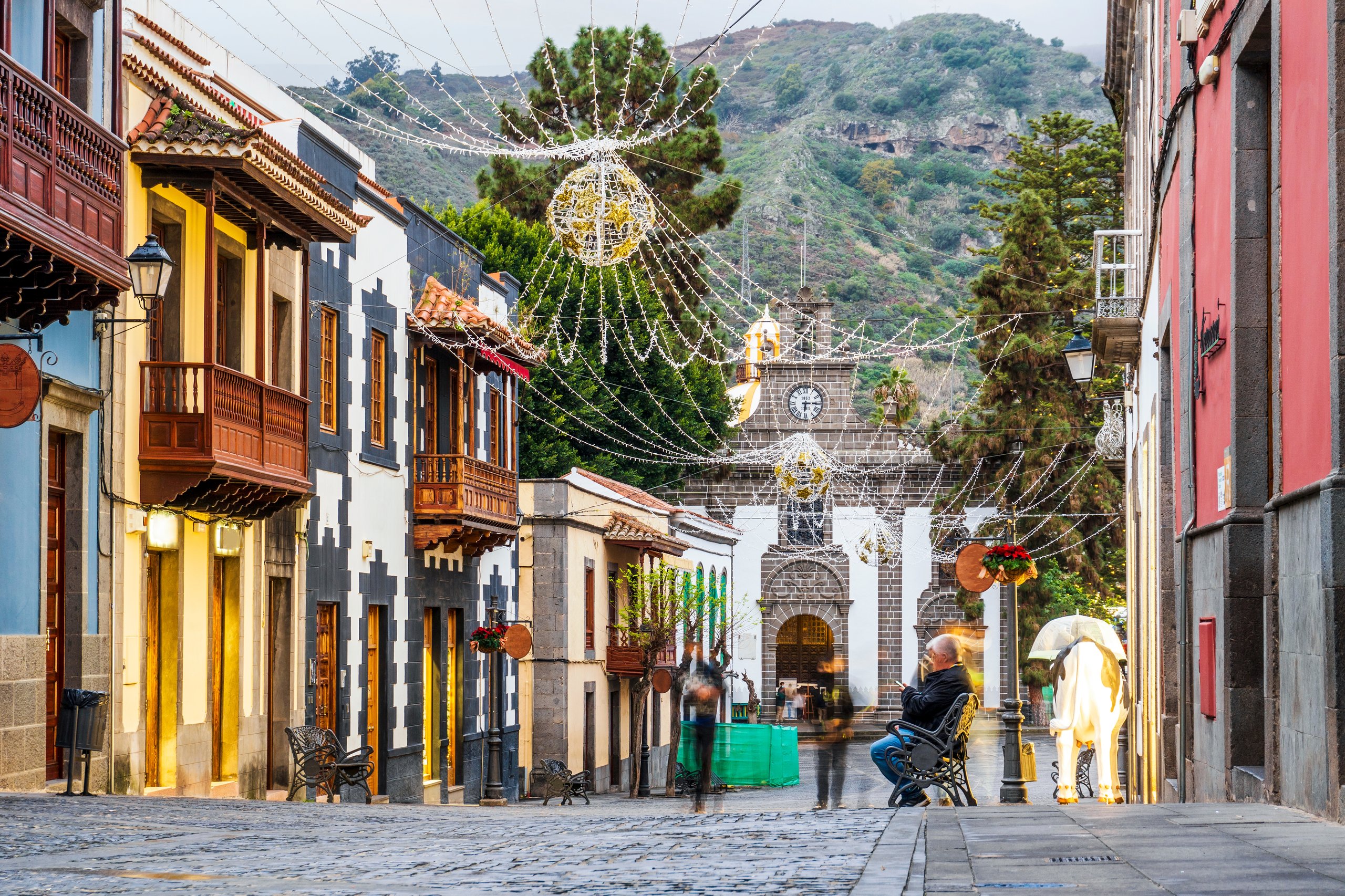
First, though, we finally said goodbye to the Christmas holiday season with the Night of the Three Kings on 5th January and a bank holiday on the 6th. The Spanish Christmas starts on 6th December (Constitution Day), then 8th December (Immaculate Conception), 24th December (Christmas Eve), 25th December (Christmas Day), in Catalonia 26th December, 31st December (New Year’s Eve), 1st January (New Year’s Day), 5th January (Three Kings), 6th January (Three Kings). That’s a whole month of festivities and public holidays!
Even with the colourful lights and decorations, the festive period can feel long, especially when it stretches into early January. For the Spanish, traditionally, the 6th January is the day for present giving, though nowadays, children also receive gifts at Christmas. It can become an expensive time. Just when we are watching the pennies in early January, most utility bills appear, so it’s wise to put some funds aside for them and other regular expenses.
Welcome 2026!
What’s new for drivers?
The first thing to know is that all Spanish-registered vehicle owners must now have a DGT-approved V16 warning light in their glove box. These attach to the roof of the vehicle in case of an accident or breakdown and are GPS sensitive with an amber flashing light to warn drivers of an obstacle and direct emergency services to the site. The light can be seen up to one kilometre away. They cost between €35 and €50. Make sure the one you buy is registered on DGT’s approved list. DGT is the Director General Traffic Authority. Old warning triangles are no longer necessary but it is wise to keep them in the car, especially if you drive in France or other European countries.
Another innovation from DGT is “emergency corridors”. Countries such as Austria and Germany already have them and now they are to be created in Spain. When held in heavy traffic, if you are in the right-hand lane, you must move to the right and similarly, if you are in the left-hand lane, you must move to the left, creating a central corridor for emergency vehicles. The hope is that ambulances, fire engines and police vehicles can attend accidents quickly without being held up in a bottleneck.
2026 will see all towns and cities in Spain with more than 50,000 inhabitants introducing low-emission zones, which are already in place in larger cities such as Madrid, Barcelona and Malaga. Cars must display a certificate (distintivo ambiental )obtainable at the post office (correos). Different colours depend on the amount of pollution emitted by the vehicle.
1. The DGT Environmental Sticker System
- Zero (Blue): Electric, hydrogen, PHEVs (long range) – Generally unrestricted access.
- Eco (Green/Blue): Hybrids, CNG/LPG vehicles – Good access, some restrictions possible.
- C (Green): Petrol (2006+) / Diesel (2015+) – May face restrictions.
- B (Yellow): Older Petrol/Diesel – Most restricted.
- No Label: Most polluting – Usually banned from ZBEs.
Foreign vehicle owners must register their vehicle with each specific Spanish Low Emission Zone (ZBE) they plan to enter, as they cannot get Spanish DGT stickers. Registration involves an online application with vehicle documents and a fee, granting temporary access or a long-term permit if they meet emission standards, with failure to register resulting in fines.
What’s new for e-scooters?
A blessing or a curse, e-scooters are here to stay. Many accidents have been caused by drivers using them in pedestrianised areas, and as a result, the DGT has made it mandatory for all owners to have civil liability insurance from later this year. This will cost around €100 and it must cover a minimum of €6.45m for personal injury and €1.3m for material and property damage.
More requirements with immediate effect are that drivers must be over 16 and that all must wear a helmet.
What’s new with tax?
Digital payment reporting
From this year, all banks and financial institutions must report all digital payments (card, POS, and platforms like Bizum) received by businesses and self-employed individuals to the Spanish Tax Agency (Agencia Tributaria) every month.
Crypto
If you hold cryptocurrency with a value of under €50,000 at the year’s end (31st December), you shouldn’t need to declare it. However, if it’s held abroad and has a value higher than €50,000, it must be declared.
What’s new for smokers?
The government plans to ban smoking from all communal spaces, which include bar and restaurant terraces, beaches, public pools, sports facilities, stadiums and within 15 metres of public buildings, schools and healthcare centres. The Spanish Council of Ministers approved the draft bill in late 2025. It still needs to pass the full parliamentary process (Congress of Deputies). Implementation is expected in stages, with some local areas like San Sebastián targeting mid-2026 for beach rules. However, national rollout depends on Parliament.
Cost of living changes
Inevitably, some things will cost more this year. In 2024, households in Spain spent around €1,400 more on necessities than the previous year and prices are expected to rise again in 2026. Unfortunately, wages aren’t keeping up with price increases and the hope is that prices won’t increase as much this year.
Accommodation
Property and rents are expected to rise by more moderate amounts than of late, though the shortage of rental properties continues to fuel higher prices in most of Spain’s towns and cities.
Utilities
Electricity will cost more, by between 5% and 10%, due to ecological transition. Spanish households’ average monthly electricity costs were €69 per month in 2025.
Gas will also be more expensive, ironically due to lower consumption, adding around €15 annually to bills.
The main telecom operators are planning to increase their charges. Orange by 3.8%, Movistar by 4% and Vodafone by €2.50 monthly.
Food
Bad weather, avian flu and other natural conditions have already caused food prices to increase, in some cases significantly. Inflation for 2026 is likely to be 2.4%, slightly lower than in 2025 when it was 2.7%.
Travel
Flights are likely to cost more too, as AENA, which manages Spain’s airports, has announced an increase of 6.44%. Ryanair decided to cut services to several smaller airports in Spain, citing this increase as the reason.
Public transport will stay the same as in 2025, as the Spanish government approved an extension of its subsidies to the end of this year. State-owned public transport, commuter rail, medium-distance trains and certain bus routes will maintain the fare reduction. Regional public transport depends on each autonomous region. So far, Andalusia, Valencia, Catalonia and Madrid have indicated that they will keep the reductions in place.
Despite all the price increases noted above, there are still many things in Spain that cost nothing! Examples include:
- Relaxing on beaches
- Hiking in the mountains
- Coastal paths
- The countryside
- Strolls on the prom
- Music in town squares
- Meeting friends and neighbours
- Last but not least…sunshine!
Summary
While 2026 brings a number of changes in Spain, many of them are about adjustment rather than upheaval. Even with recent price rises, Spain continues to offer a lower cost of day-to-day living than the UK and the US, particularly when it comes to food, eating out, public transport and healthcare.
For overseas homeowners, the appeal is still obvious. Life in Spain is lived outdoors, communities tend to be close-knit and the pace of everyday life feels more manageable. With the right planning and a clear understanding of the rules, Spain remains an attractive and rewarding place to live, buy a home and settle in.