

Have you been dreaming about building your own home in New Zealand? A place designed around how you actually want to live? The good news is, it’s entirely possible with the right know-how. In this article, we explain the rules, costs and practical steps to understand before you commit.
If you already know New Zealand well, you’ll appreciate how much location shapes both lifestyle and property value. Building your own home gives you control, but the process is more regulated than in the UK and costs have shifted noticeably in recent years. Here’s what you need to know now.
Download the New Zealand Buying Guide
Contents
- Buying land in New Zealand to build as a foreign buyer
- Where to find land to build on
- The professionals you need to appoint
- What to look for when choosing a plot
- Choosing the right plot without overspending
- Why subdivisions remain a popular choice
- Building on rural land
- Planning rules, zoning and covenants
- What does it cost to buy land and build in New Zealand in 2026?
- Frequently asked questions about buying land in New Zealand
Buying land in New Zealand to build as a foreign buyer
The rules around overseas ownership remain one of the biggest hurdles. Under the Overseas Investment Act, most non-residents cannot buy residential land in New Zealand without approval.
In practical terms, you will usually need to be ordinarily resident to purchase land for your own build. This typically means holding a resident visa and spending sufficient time living in the country.
UK buyers without residency are generally limited to:
- Applying for consent through the Overseas Investment Office (which is rarely granted for standard residential purchases)
- Buying into specific large-scale developments that meet exemption criteria
For most buyers, securing residency is the realistic route if you plan to build a home.
Where to find land to build on
Land is still sourced in a fairly traditional way in New Zealand. National property portals, local estate agents and regional publications remain key.
However, in many areas – particularly around Auckland, Tauranga and Queenstown – competition for sections (plots) is strong. You’ll often find that:
- Developers release subdivision plots in stages
- Early registration gives you access before public listings
- Some opportunities are marketed locally before appearing online
If you identify an unlisted section, you can confirm ownership through Land Information New Zealand by purchasing the title.
The professionals you need to appoint
Building in New Zealand requires a structured team and formal approvals.
You will need:
- An architect registered with the New Zealand Registered Architects Board
- A licensed builder, ideally affiliated with Registered Master Builders
- An independent property lawyer
Your architect will prepare plans for council approval. Each council has its own processes, and building consent timelines can vary significantly depending on workload and location.
A lawyer is essential for reviewing the title, easements and any legal restrictions tied to the land.
What to look for when choosing a plot
The fundamentals haven’t changed, but they matter even more as build costs rise.
A north-facing section remains highly desirable, helping you maximise natural light and reduce heating costs during winter.
Pay close attention to slope. Steeper sites increase construction complexity and often require engineered foundations, retaining walls and drainage solutions.
Also consider:
- Access to amenities and infrastructure
- Future development nearby that could affect views or privacy
- Soil condition and stability, which can significantly impact build costs
Geotechnical reports are now more commonly required, particularly in areas with known ground risks.
Choosing the right plot without overspending
Lower-priced land often comes with hidden costs. A cheaper section can quickly become more expensive once site preparation and engineering work are factored in.
In most cases, it makes sense to prioritise:
- Ease of build
- Good access
- Established or improving locations
Think ahead to resale value. Buyers consistently pay more for well-positioned, practical sections with strong sunlight and infrastructure already in place.
Why subdivisions remain a popular choice
Subdivisions continue to offer a more predictable route for buyers.
Most sections are:
- Flat or gently sloping
- Fully serviced with utilities already connected
- Covered by clear covenants
While covenants can restrict design choices, they also help maintain consistency across the development, which can support long-term values.
Building on rural land
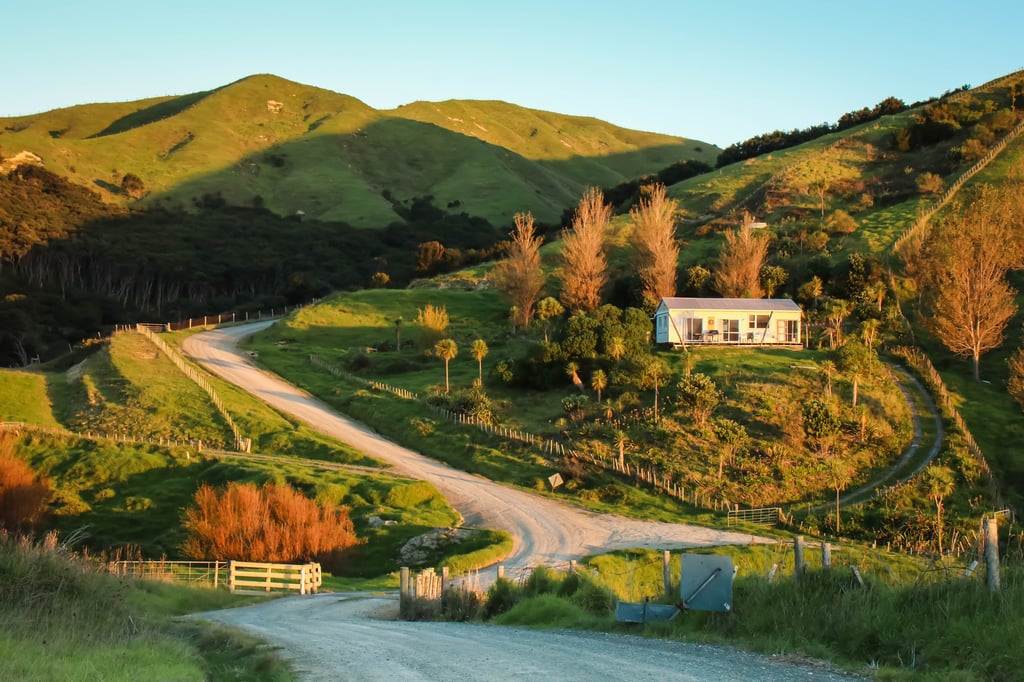
Rural plots still appeal if you want space and privacy, but they come with added responsibilities.
You may need to install:
- Water tanks or bore systems
- Septic systems for wastewater
Access can also be more complex, particularly for construction vehicles and materials delivery.
Financing is typically stricter for rural builds. Lenders often require larger deposits and apply more conservative lending criteria, especially for overseas buyers.
Planning rules, zoning and covenants
Before committing to a purchase, confirm that zoning and covenants allow your intended build.
Local council rules can control:
- Building height and footprint
- Density and subdivision potential
- Materials and design features
Recent planning reforms, including the National Policy Statement on Urban Development, have encouraged higher-density housing in some urban areas. This can affect both what you can build and the future character of the neighbourhood.
Always have your lawyer review the title and planning constraints in detail.
What does it cost to buy land and build in New Zealand in 2026?
Current build costs typically fall within these ranges:
| Build type | Estimated cost per sqm | Notes |
|---|---|---|
| Standard build | NZD 2,800-3,500 | Basic design, flat section |
| Mid-range build | NZD 3,500-4,500 | Most typical new builds |
| High-spec or complex build | NZD 4,500+ | Architectural or difficult sites |
These figures vary depending on location, design complexity and site conditions.
In addition, you should budget for:
- Land purchase cost
- Professional fees (architect, engineer, lawyer)
- Council consent fees
- Infrastructure connections (if not already in place)
- A contingency of at least 10 percent
Frequently asked questions about buying land in New Zealand
One acre equals 4,047 square metres or 0.4047 hectares. Land in New Zealand is usually marketed in hectares rather than acres.
Yes, but check for covenants. Many subdivisions require you to begin building within one to three years of purchase.
In most cases, UK citizens cannot buy residential land unless they are ordinarily resident or receive approval from the Overseas Investment Office.