

Transport in Italy is something every new resident needs to understand – and once you understand how it works, getting around becomes straightforward, affordable and often surprisingly enjoyable.
Moving to Italy means more than choosing the right property – you also need to feel confident travelling between regions, commuting locally and managing day-to-day practicalities such as parking and licences. The good news is that transport in Italy is extensive, modern and generally cheaper than in the UK. From high-speed trains linking Milan and Rome to local buses serving hilltop towns, you’ll find that planning your journeys is far less complicated than you might expect.
Contents
Getting around in Italy by car
As in most of mainland Europe, vehicles in Italy drive on the right side of the road, so UK licence holders will need a short adjustment period. The minimum driving age is 18 and seatbelts are compulsory for front and rear passengers. Headlights must be used on motorways and outside built-up areas, even during the day, under the Italian Highway Code.
Speed limits vary depending on the road type – typically 50km/h in urban areas, 90km/h on secondary roads, 110km/h on main roads and 130km/h on motorways. Always follow posted signs as limits can change in bad weather or near roadworks.
Road quality is generally good, especially on autostrade connecting major cities. In rural areas – particularly in parts of Puglia, Le Marche or inland Sicily – you may encounter narrower roads and tighter bends, so allow extra time and drive cautiously.
You must carry specific items in your vehicle at all times:
- Reflective vest
- Warning triangle
- Vehicle registration documents
- Insurance certificate
Failing to produce documentation during a roadside check can result in fines. You are also legally required to stop and assist if you witness an accident.
If you are relocating permanently from the U, you may drive in Italy on a UK licence for up to 12 months after registering as a resident. However, you should begin the conversion process well before that deadline. Once the 12-month period expires, you are no longer legally permitted to drive until your Italian licence has been issued, which can take several months. Under the UK–Italy agreement, you can exchange your licence without retaking a test, although a medical certificate may be required, particularly if you are over a certain age.
If you bring a UK-registered vehicle into Italy, you must re-register it within three months of establishing residency.
Parking rules you need to know
Parking regulations differ between municipalities, so always check signage carefully. Italian towns use colour-coded markings:
- White lines – free parking, sometimes time-limited
- Blue lines – paid parking
- Yellow lines – reserved for disabled drivers or specific permit holders
- Pink lines – spaces for pregnant women or parents with infants
In blue zones, you pay at a meter or via an app and display your ticket on the dashboard. Some towns operate a disc system indicating arrival time. Charges and time limits vary, particularly in historic centres where traffic restrictions may apply.
Be aware of ZTL zones (Zona a Traffico Limitato). These restricted traffic areas are common in cities such as Florence, Bologna and Rome. Driving into a ZTL without authorisation results in automatic fines issued via camera. Check local council websites before entering city centres.
Trains and buses across the country
For many new residents, rail travel becomes the backbone of transport in Italy. The network covers approximately 16,700km and is largely electrified. High-speed Frecciarossa trains connect Milan to Rome in just over three hours, making intercity travel practical even for regular commuting.
Italy’s high-speed network now spans more than 1,000km, linking Turin, Milan, Bologna, Florence, Rome and Naples.
Two main operators run long-distance services: Trenitalia and Italo (NTV). Both offer competitive pricing if you book in advance. Regional trains are slower but inexpensive and reliable, ideal for shorter journeys such as Verona to Venice or Pisa to Florence.
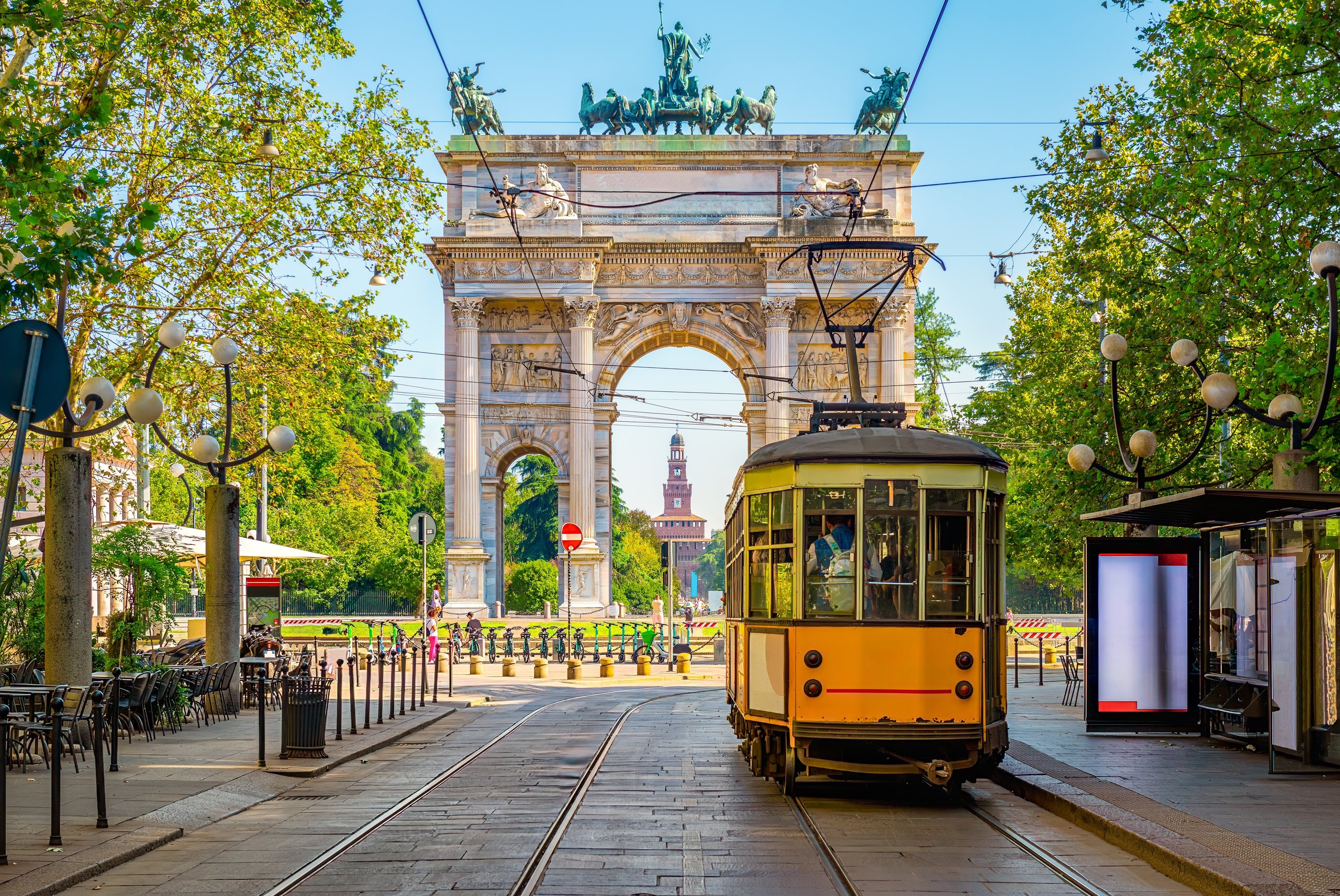
Urban public transport networks include buses, trams and metro systems in cities such as Rome, Milan, Naples and Turin. Venice operates vaporetti – water buses – which function as the city’s main public transport.
Coach companies including FlixBus operate long-distance routes at competitive prices, often used by students and commuters.
Air travel within Italy
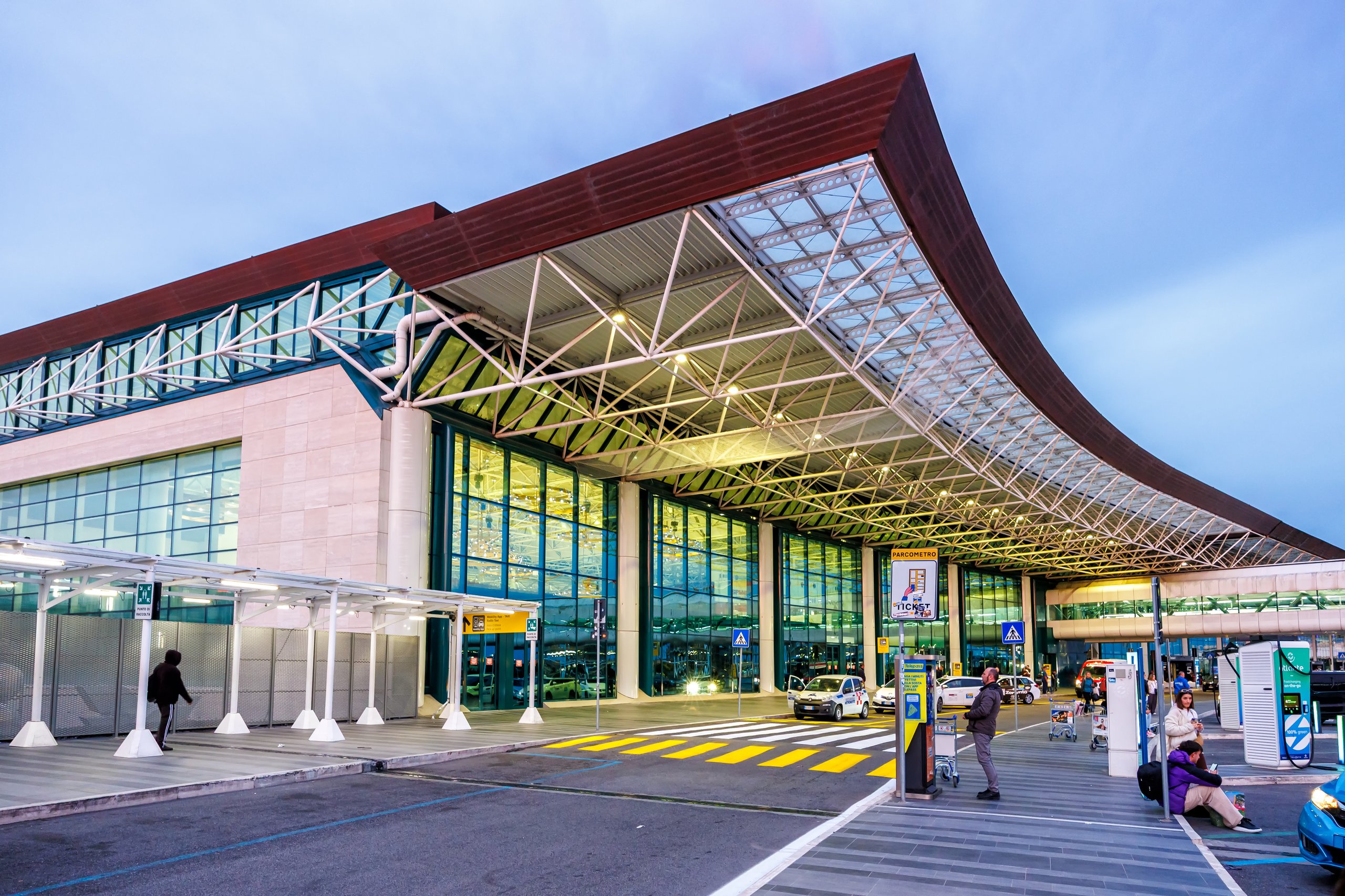
Italy has more than 100 civilian airports. Major hubs include Rome Fiumicino, Milan Malpensa and Venice Marco Polo. Domestic flights connect cities such as Rome, Palermo and Cagliari, though for mainland routes under 500km the high-speed train is often quicker once airport transfers are factored in.
Budget airlines including easyJet and Ryanair operate domestic routes alongside ITA Airways.
How much does transport in Italy cost?
Public transport in Italy is generally cheaper than in the UK. According to Eurostat rail price comparisons, average rail fares per kilometre in Italy are significantly lower than in Britain. Advance high-speed tickets between Milan and Rome can cost under €30 if booked early.
Monthly urban travel passes typically range between €35 and €60 depending on the city, according to local transport authorities such as ATAC in Rome and ATM in Milan.
Fuel prices are market-based, but transparency is regulated. The Ministry of Environment and Energy Security publishes weekly averages, and petrol stations are required to display the regional average price alongside their own. As of recent data, Italy’s fuel costs remain above the EU average due to taxation, so if you plan to drive frequently, factor this into your budget.
Practical tips for new residents
If you plan to commute, download regional transport apps for ticket purchases and real-time updates. Many cities now use contactless payment systems on buses and trams. For trains, both Trenitalia and Italo offer digital tickets via their apps, removing the need to validate paper tickets.
When choosing where to buy, consider proximity to a train station if you expect regular travel. Living within walking distance of a regional station in areas such as Emilia-Romagna or Lombardy can significantly reduce your reliance on a car.
Summary
Transport in Italy may feel unfamiliar at first, but once you understand the systems, you’ll find travelling between your new home, the coast, the mountains or neighbouring regions becomes part of everyday life. With a little planning, you can make the most of a network that connects almost every corner of the country.
Frequently asked questions about transport in Italy
For travel between major cities, high-speed trains are usually the quickest and most convenient option. For rural areas or small villages, having access to a car offers greater flexibility.
Rail is the backbone of long-distance transport in Italy, while buses and trams dominate local urban travel. Car ownership is also common, particularly outside major cities.
You can buy tickets at stations, newsagents and ticket machines, or via official transport apps. Many cities now accept contactless bank cards directly on buses and metro gates. Always validate paper tickets before boarding regional trains or buses.