


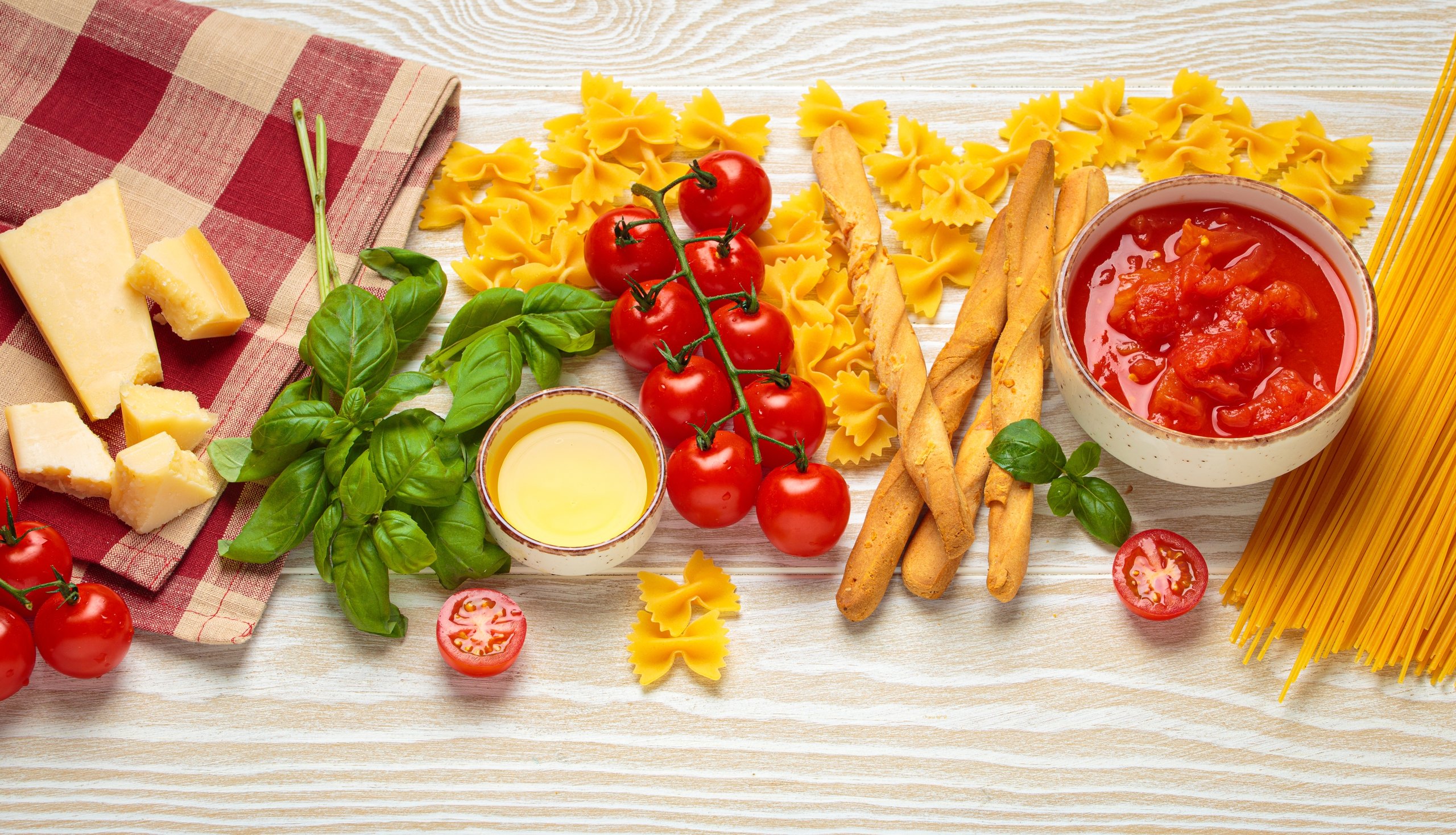
Italian cuisine is more than pizza and pasta – it is a living tradition recognised by UNESCO and rooted in regional identity, seasonal produce and family life. If you are considering a home in Italy, understanding what and how Italians eat will help you feel part of daily life from day one.
Italian cuisine shapes everyday routines, from a quick espresso at the bar to a long Sunday lunch with three generations around the table. In December 2025, Italian cuisine was officially inscribed on UNESCO’s Representative List of the Intangible Cultural Heritage of Humanity, recognising it as a shared cultural practice rather than a single dish. That status reflects what you will notice immediately when you spend time here – food is about community, memory and the land.
Contents
Italian cuisine and UNESCO recognition
Italian cuisine’s UNESCO recognition in 2025 highlights practices, knowledge and skills passed down through families and regions. It acknowledges that cooking in Italy is not simply about recipes but about social rituals, seasonality and respect for local ingredients.
When you buy in Italy, you are buying into this food culture. Markets, sagre and small producers are not tourist attractions – they are part of daily life. From Alpine dairy traditions in the north to olive oil production in Puglia, every region protects its culinary identity.
What is traditional Italian cuisine
Traditional Italian cuisine is regional, seasonal and ingredient-led. It is based on a few core principles:
- Use what grows locally
- Cook with the seasons
- Keep recipes simple
- Respect established pairings
In the north, butter, rice, polenta and Alpine cheeses are common. In central Italy, you will see legumes, bread, olive oil and slow-cooked meats. In the south and on the islands, pasta, vegetables, citrus fruit, seafood and olive oil dominate.
You will also notice that Italians are particular about combinations. Certain sauces belong with certain pasta shapes. Carbonara is made with guanciale, pecorino romano and egg – not cream. Ragù is served with tagliatelle in Emilia-Romagna, not spaghetti.
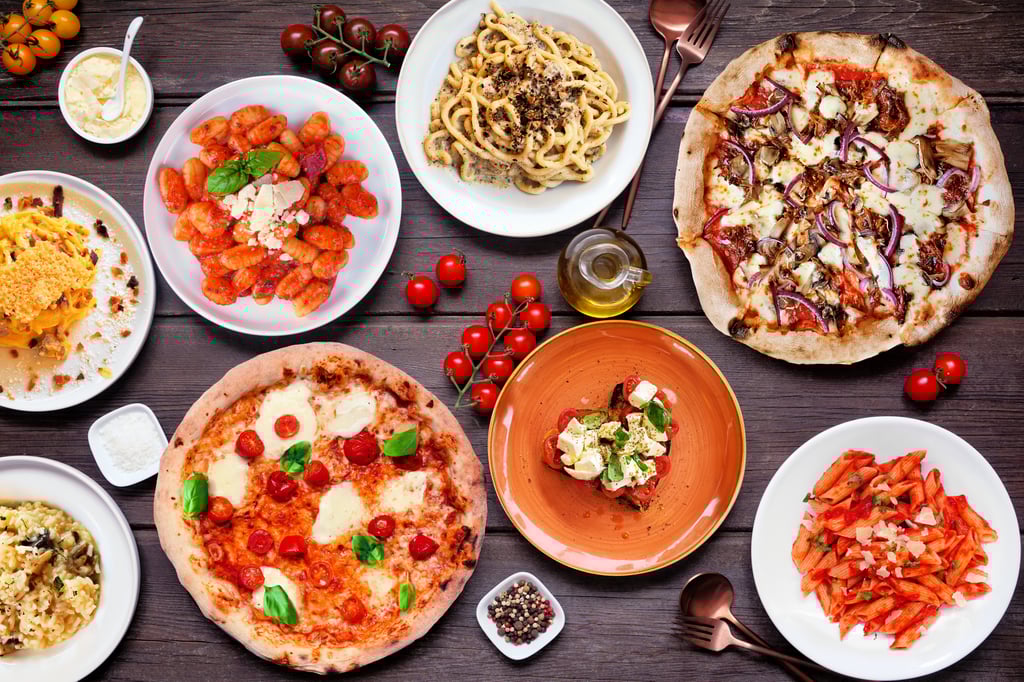
What are Italy’s main dishes?
Italy does not have a single national main dish. Instead, main courses vary by region and by meal structure.
In everyday terms, the main dishes you will encounter most often are:
- Pasta dishes as a primo
- Meat or fish dishes as a secondo
- Pizza in the evening
- Risotto in northern regions
- Seasonal vegetable dishes and legumes
If you settle in one region, your idea of a main dish will adapt quickly to what locals cook and serve.
Italy’s regional dishes from north to south
Understanding regional cooking helps you feel at home more quickly, especially if you are settling in one specific area.
Northern Italy
Colder climates and mountain pasture shape northern cuisine. Rice from the Po Valley underpins dishes such as risotto alla Milanese. Polenta is a staple in Valle d’Aosta and surrounding Alpine areas. In Piedmont, agnolotti del plin are a classic example of the region’s tradition of filled pasta with meat and vegetables.
If you are buying near the Alps, expect hearty broths, dumplings and aged cheeses.
Central Italy
Central Italy is known for robust, ingredient-driven cooking. In Tuscany, pappardelle is often served with wild boar or hare ragù . Lazio gives you carbonara and cacio e pepe. Umbria is famous for porchetta – slow-roasted pork with fennel and rosemary.
This is cucina povera at its best – simple dishes built on bread, olive oil, legumes and seasonal vegetables.
Southern Italy and the islands
The south leans towards a lighter Mediterranean style built on pasta, vegetables and seafood. Campania is home to parmigiana di melanzane and Neapolitan pizza. Puglia’s orecchiette con cime di rapa combines ear-shaped pasta with local greens . Sicily offers pasta con le sarde, blending sardines, wild fennel and raisins.
If you are relocating to Sicily or Puglia, expect long summer lunches, small kitchens and large dining tables designed for gathering.
Top 10 Italian dishes
Here are ten dishes you are likely to encounter across Italy:
| Dish | Region | Key ingredients |
|---|---|---|
| Tagliatelle al ragù | Emilia-Romagna | Egg pasta, beef, tomato, onion |
| Pizza Napoletana | Campania | Tomato, mozzarella, basil |
| Risotto alla Milanese | Lombardy | Rice, saffron, butter |
| Spaghetti alla Carbonara | Lazio | Guanciale, egg, pecorino |
| Parmigiana di Melanzane | Campania | Aubergine, tomato, mozzarella |
| Orecchiette con cime di rapa | Puglia | Pasta, turnip tops, olive oil |
| Pappardelle al cinghiale | Tuscany | Ribbon pasta, wild boar |
| Pasta con le sarde | Sicily | Sardines, fennel, raisins |
| Porchetta | Umbria/Lazio | Roast pork, herbs |
| Tiramisù | Friuli-Venezia Giulia | Mascarpone, coffee, sponge |
Typical Italian eating habits
Breakfast is light – usually coffee and a pastry or biscuits. Cappuccino is a morning drink and rarely ordered after 11am.
Lunch is traditionally the main meal, particularly at weekends. A classic structure includes:
- Primo – pasta, risotto or soup
- Secondo – meat or fish
- Contorno – vegetables or salad
- Fruit or dessert
- Espresso
Dinner is lighter, often a single course or pizza shared with friends.
If you work remotely or run a business in Italy, expect lunch breaks to matter. Shops may close and families prioritise eating together.
The role of fresh produce and markets
Buying locally is part of everyday life. Farmers’ markets and small food shops focus on seasonal ingredients and what Italians call zero-kilometre produce. The Slow Food movement, founded in Italy in 1986, promotes local culinary traditions and sustainable production.
When you own a home here, you quickly adjust to shopping more frequently and cooking with what is available that week. Your diet becomes naturally seasonal.
FAQs about Italian cuisine
The top 10 Italian dishes include tagliatelle al ragù, pizza Napoletana, risotto alla Milanese, carbonara, parmigiana di melanzane, orecchiette con cime di rapa, pappardelle al wild boar ragù, pasta con le sarde, porchetta and tiramisù. Each reflects its region’s ingredients and traditions.
Traditional Italian cuisine is regional and seasonal. It focuses on local produce, simple preparation and established pairings between pasta shapes, sauces and ingredients. It is also social – meals are shared and recipes are passed down through families.
Italy’s main dishes depend on the meal structure. Pasta or risotto usually form the first course, followed by meat or fish. Pizza is a common evening meal. Regional specialities define what you will see on menus in each part of the country.
You might also like: