



Get utilities connected in Italy is one of the first real steps towards feeling at home in your new property – and if you understand the system before you start, the process is far more straightforward than you might expect.
If you’ve visited Italy at different times of year, then you already know what it takes to heat a home in January or run air conditioning in August. The shift when you become an owner is that the paperwork and payments are now yours to manage. Electricity contracts, gas supplies, water bills and broadband installations all need to be transferred or activated in your name. Tackle them early and you will avoid delays, stay in control of your spending and settle into your new home far more quickly.
Contents
- Connecting utilities in Italy – what to sort out before you move in
- Electricity supply in Italy
- Gas connections and alternatives
- Water supply and what to expect
- Internet and landline services
- Mobile phone contracts
- Television and the Italian TV licence
- How much are utilities per month in Italy
- FAQs about connecting utilities in Italy
Connecting utilities in Italy – what to sort out before you move in
Before you sign a contract to buy or rent, ask the current owner or agent exactly which services are active and whether they are connected to the mains. In most towns and cities, electricity, water and often gas will already be installed. In rural areas, you may find gas tanks, wells or water storage systems instead.
Your first essential document is a codice fiscale – your Italian tax number. You cannot transfer or activate utilities without it. You can apply through the Agenzia delle Entrate, Italy’s Revenue Agency, either in Italy or via an Italian consulate abroad.
If you are renting and utilities are included in the contract, request an annual breakdown of costs. This gives you clarity on consumption and prevents surprises later.
Allow time. New contracts can take days or, occasionally, weeks to activate. If the supply is already live, it is usually quicker to transfer the contract (voltura) into your name rather than disconnect and start again.
Electricity supply in Italy
Italy’s electricity market was liberalised in 2007, allowing you to choose your supplier. ENEL remains one of the largest providers, but there are many others.
The standard domestic contract provides around 3 kW of power. If you plan to run air conditioning, electric ovens and multiple appliances at once, you may want to upgrade to 4.5 kW or 6 kW. Increasing capacity raises your fixed standing charge.
Household electricity bills in Italy averaged €0.3291 per kWh for domestic consumers in the first half of 2025. Prices fluctuate, so check current tariffs before signing a contract.
To activate or transfer electricity you will need:
- Codice fiscale
- Proof of identity
- Property address
- Meter number (POD code)
Most bills are issued bi-monthly and can be paid by direct debit, bank transfer or at a post office.
Gas connections and alternatives
Mains gas is common in northern and central urban areas. In parts of southern Italy and in rural locations, properties may rely on LPG tanks known as bomboloni.
If you have mains gas, contact the local distributor – often Italgas, one of the main operators. You will need:
- Meter serial number (PDR code)
- Name of previous contract holder if available
- Your personal details and tax code
Gas bills are usually issued every two months. Annual servicing of boilers and water heaters is mandatory under Italian safety regulations.
If your property uses an LPG tank, the tank is typically owned by the supplier and installed in your garden. You pay only for the gas consumed. This setup is typical in countryside properties and usually means higher per-unit heating costs than mains gas, so factor this into your annual running budget.
Water supply and what to expect
Water services are managed at local level by regional operators under regulation from ARERA, the national energy and environment authority. Charges vary depending on the comune and water availability.
In 2024, the average household water bill in Italy was approximately €487 per year, though this varies significantly by region.
To connect mains water, contact your local comune or water provider with:
- Codice fiscale
- Proof of identity
- Property details
If you need additional water for irrigation or a swimming pool, you may require a separate contract.
For rural properties without mains water, options include installing a storage tank or drilling a well. Drilling costs can reach several thousand euros depending on depth and ground conditions.
Internet and landline services
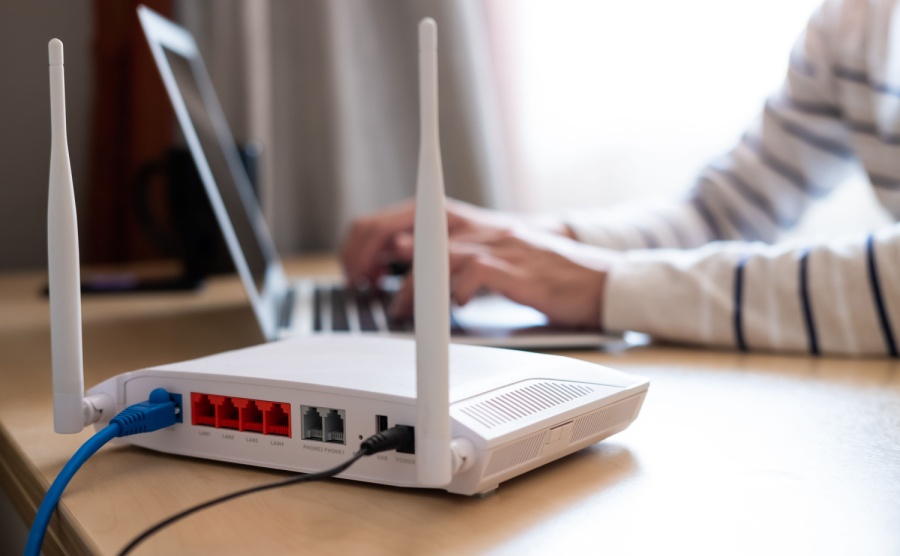
Broadband coverage is improving across Italy through the government’s national ultra-broadband strategy. In larger towns, fibre connections are common. In remote areas, speeds may be lower and installation times longer.
Major providers include TIM, Vodafone, WindTre and Fastweb. You will need your tax code, address and identification to sign a contract.
Activation can take anywhere from a few days to a month, depending on infrastructure and whether new cabling is required.
Mobile phone contracts
Italy has four main mobile networks – TIM, Vodafone, WindTre and Iliad. Coverage is strong in urban areas but can be inconsistent in remote countryside.
When signing a contract, you will need:
- Proof of identity
- Italian tax number
- Proof of address
If your rural property has weak fixed-line broadband, a mobile data package can provide a practical alternative – but check coverage carefully before committing.
Television and the Italian TV licence
If you own a television, you are required to pay the Italian TV licence fee (Canone RAI). For 2026, the annual fee is €90. It is usually charged automatically through your electricity bill.
If you want English-language programming, you will need satellite or streaming services.
How much are utilities per month in Italy
Your monthly costs depend heavily on location, property size and energy usage. As a rough guide for a two-bedroom apartment:
| Utility | Estimated monthly cost | Notes |
|---|---|---|
| Electricity | €50–€90 | Based on national average kWh prices |
| Gas | €60–€120 | Higher in winter months |
| Water | €30–€50 | Varies by region |
| Internet | €25–€35 | Fibre packages in urban areas |
In total, you might budget between €165 and €295 per month, excluding heating spikes in winter or heavy air-conditioning use in summer.
FAQs about connecting utilities in Italy
First obtain your codice fiscale. Then contact each supplier directly with your identification, tax code and meter details. If services are already active, request a contract transfer rather than a new connection to speed up the process.
Utilities are billed individually by provider. Electricity and gas are typically billed every two months, water according to local authority schedules and internet monthly. Many payments are made by direct debit. Electricity capacity is contracted at a fixed kW level, which affects your standing charge.
For an average apartment, expect combined monthly costs of roughly €165–€295 depending on usage and region. Larger properties, LPG heating or swimming pools will increase this figure.