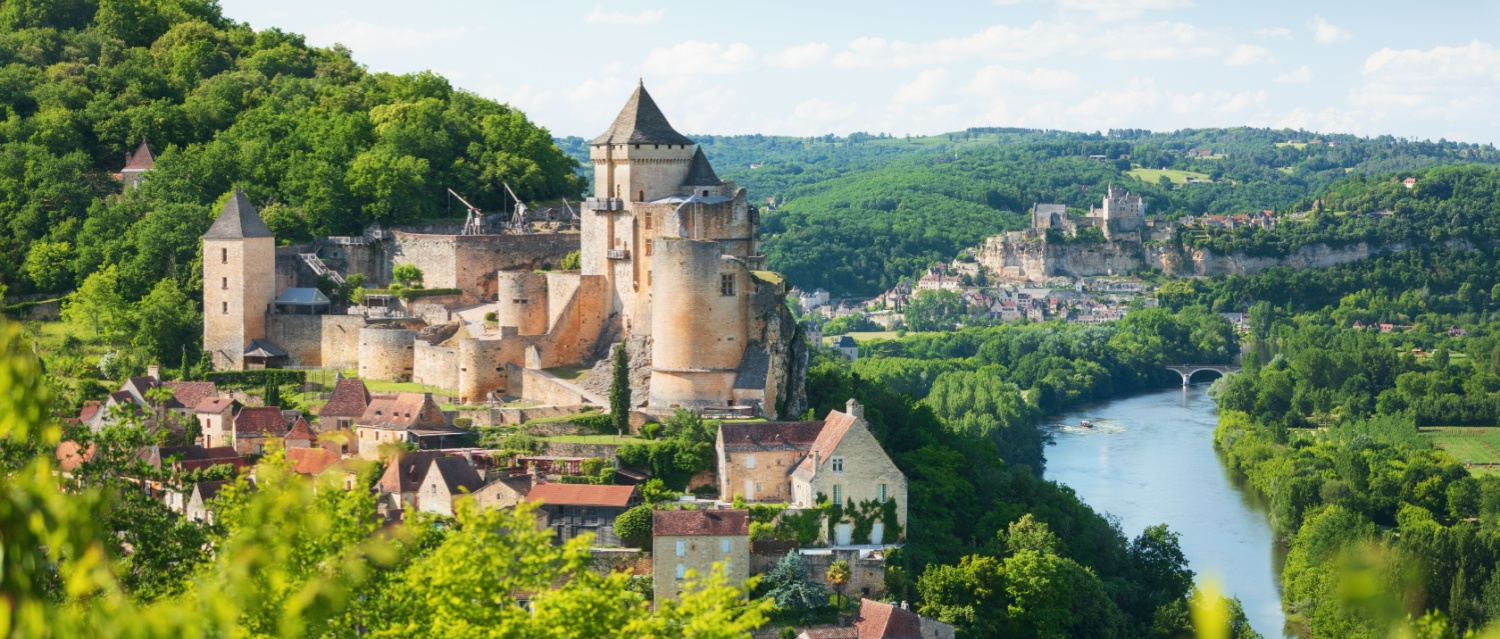


France has long drawn British buyers who spot a crumbling farmhouse in the Dordogne or a tall-shuttered townhouse in Normandy and see possibility. The pricing can be genuinely attractive – a property needing significant work often sits 20–40% below the equivalent renovated home in the same village. But the gap between the asking price and a finished, liveable property is where buyers frequently underestimate what they’re taking on.
Buying a renovation project in France is entirely achievable. The planning system is logical, the trades are skilled, and there are government grants available to help with energy upgrades. What catches buyers out is usually the combination of higher-than-expected costs, longer-than-expected timelines, and a pre-purchase process that’s quite different from buying a ready-to-move-in home in France. Knowing what to look for before you sign the compromis de vente makes all the difference.
Key takeaway: Renovation properties in France can offer good value, but buyers need to assess the DPE energy rating, planning constraints and structural condition before committing. Full renovation costs in 2026 range from €900 to €1,500 per m², and reputable artisans are often booked months in advance. A conditional clause in your preliminary contract is essential if major works are central to your plans.
France renovation cost estimator
Select a property size and renovation level to see your budget range
- Interior painting and plastering
- New flooring throughout
- Cosmetic repairs and fixtures
- Door and window hardware
- New kitchen installation
- Bathroom renovation
- Heating system upgrades
- Flooring, painting and finishes
- Full structural survey and repairs
- Complete rewiring and plumbing
- Insulation and DPE improvement
- Kitchen, bathroom, heating and finishes
- Historic building or barn conversion work
- Full structural reconfiguration
- Listed property restoration (ABF approval)
- All systems, finishes and energy upgrades
- Interior painting and plastering
- New flooring throughout
- Cosmetic repairs and fixtures
- Door and window hardware
- New kitchen installation
- Bathroom renovation
- Heating system upgrades
- Flooring, painting and finishes
- Full structural survey and repairs
- Complete rewiring and plumbing
- Insulation and DPE improvement
- Kitchen, bathroom, heating and finishes
- Historic building or barn conversion work
- Full structural reconfiguration
- Listed property restoration (ABF approval)
- All systems, finishes and energy upgrades
- Interior painting and plastering
- New flooring throughout
- Cosmetic repairs and fixtures
- Door and window hardware
- New kitchen installation
- Bathroom renovation
- Heating system upgrades
- Flooring, painting and finishes
- Full structural survey and repairs
- Complete rewiring and plumbing
- Insulation and DPE improvement
- Kitchen, bathroom, heating and finishes
- Historic building or barn conversion work
- Full structural reconfiguration
- Listed property restoration (ABF approval)
- All systems, finishes and energy upgrades
- Interior painting and plastering
- New flooring throughout
- Cosmetic repairs and fixtures
- Door and window hardware
- New kitchen installation
- Bathroom renovation
- Heating system upgrades
- Flooring, painting and finishes
- Full structural survey and repairs
- Complete rewiring and plumbing
- Insulation and DPE improvement
- Kitchen, bathroom, heating and finishes
- Historic building or barn conversion work
- Full structural reconfiguration
- Listed property restoration (ABF approval)
- All systems, finishes and energy upgrades
- Interior painting and plastering
- New flooring throughout
- Cosmetic repairs and fixtures
- Door and window hardware
- New kitchen installation
- Bathroom renovation
- Heating system upgrades
- Flooring, painting and finishes
- Full structural survey and repairs
- Complete rewiring and plumbing
- Insulation and DPE improvement
- Kitchen, bathroom, heating and finishes
- Historic building or barn conversion work
- Full structural reconfiguration
- Listed property restoration (ABF approval)
- All systems, finishes and energy upgrades
- Interior painting and plastering
- New flooring throughout
- Cosmetic repairs and fixtures
- Door and window hardware
- New kitchen installation
- Bathroom renovation
- Heating system upgrades
- Flooring, painting and finishes
- Full structural survey and repairs
- Complete rewiring and plumbing
- Insulation and DPE improvement
- Kitchen, bathroom, heating and finishes
- Historic building or barn conversion work
- Full structural reconfiguration
- Listed property restoration (ABF approval)
- All systems, finishes and energy upgrades
- Interior painting and plastering
- New flooring throughout
- Cosmetic repairs and fixtures
- Door and window hardware
- New kitchen installation
- Bathroom renovation
- Heating system upgrades
- Flooring, painting and finishes
- Full structural survey and repairs
- Complete rewiring and plumbing
- Insulation and DPE improvement
- Kitchen, bathroom, heating and finishes
- Historic building or barn conversion work
- Full structural reconfiguration
- Listed property restoration (ABF approval)
- All systems, finishes and energy upgrades
Contents
- Why renovation properties attract UK buyers – and where the risks are
- What to check before you make an offer
- Understanding French planning rules
- What renovation realistically costs in France in 2026
- Finding and vetting artisans
- Energy grants and financial support
- What should I do next?
- Summary
- Frequently asked questions
- Sources
Why renovation properties attract UK buyers – and where the risks are
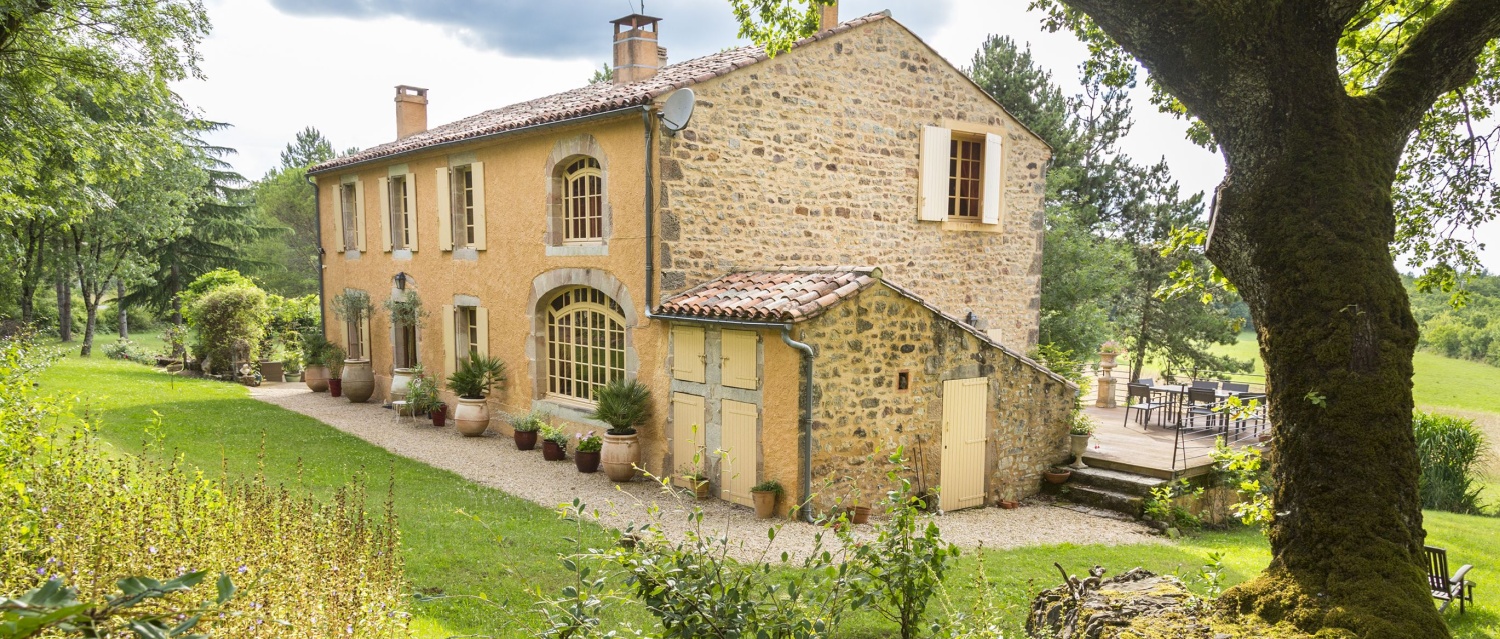
The appeal is real. A four-bedroom stone farmhouse in rural Normandy needing full renovation might list at €150,000 (£127,000), while a comparable renovated property in the same commune sells for €250,000 (£211,000). That gap funds a lot of work – in theory.
In practice, the risks are specific and worth understanding before you start searching. French renovation costs have risen sharply: a full property restoration in 2026 costs between €900 and €1,500 per m², a significant increase on figures quoted even two years ago. Add to that the complexity of the French planning system, the difficulty of securing artisans at short notice, and the DPE energy rating requirements that now affect whether a property can be legally rented out – and you can see why a renovation project requires considerably more due diligence than a turnkey purchase.
None of this makes renovation a bad idea. Our partners in France report that buyers who go in with realistic budgets and professional support typically have good outcomes. The ones who struggle are usually those who underestimated the cost of works or discovered planning restrictions after they’d already exchanged.
What to check before you make an offer
The dossier de diagnostics techniques (DDT) – the mandatory pack of property reports that all sellers must provide – is your starting point. Read it carefully, ideally with a bilingual professional. It covers the DPE energy rating, plus assessments for asbestos, lead, termites, gas and electrical installations, and natural risks (flooding, subsidence).
The DPE is particularly important for any buyer considering letting the property. Since January 2025, properties with a G rating cannot be offered on new rental contracts. F-rated properties will face the same restriction from 2028, and E-rated from 2034. If the property you’re looking at is a G or F – and many rural renovation projects are – you should factor the cost of significant energy improvements into your budget from day one, not treat them as optional.
Beyond the DDT, pay close attention to:
- The roof and structure. Roof replacement in France typically costs €150–€350 per m², and it’s rarely visible from a quick viewing. Ask directly about the roof age and condition, and consider commissioning an independent structural survey – France has no mandatory equivalent of a UK survey, but English-speaking surveyors do operate in most regions.
- Electrical and plumbing systems. Full rewiring costs around €100–€210 per m². Plumbing replacement is similarly significant. If the DDT flags non-compliant installations, get quotes before you make an offer.
- Protected status. Check whether the property sits within or near a classified monument (monument historique), a protected zone (secteur protégé), or a nature reserve. These designations add layers of approval to renovation works – see the planning section below.
DPE rental ban timeline
Click a rating to see what it means for buyers and estimated upgrade costs
G-rated properties cannot be offered on new rental contracts as of January 2025. If you’re buying to let, energy upgrades must be completed and the DPE improved before any new tenancy can begin.
F-rated properties will be banned from new rental contracts from January 2028. You have time, but upgrade costs should be budgeted now — demand for renovation specialists in France is high.
E-rated properties remain rentable until January 2034. You have time on your side, but energy upgrades will improve rental value and make the property easier to sell when the time comes.
Understanding French planning rules
France has two main routes for renovation permissions, and understanding which applies to your project is essential before you commit to a purchase.
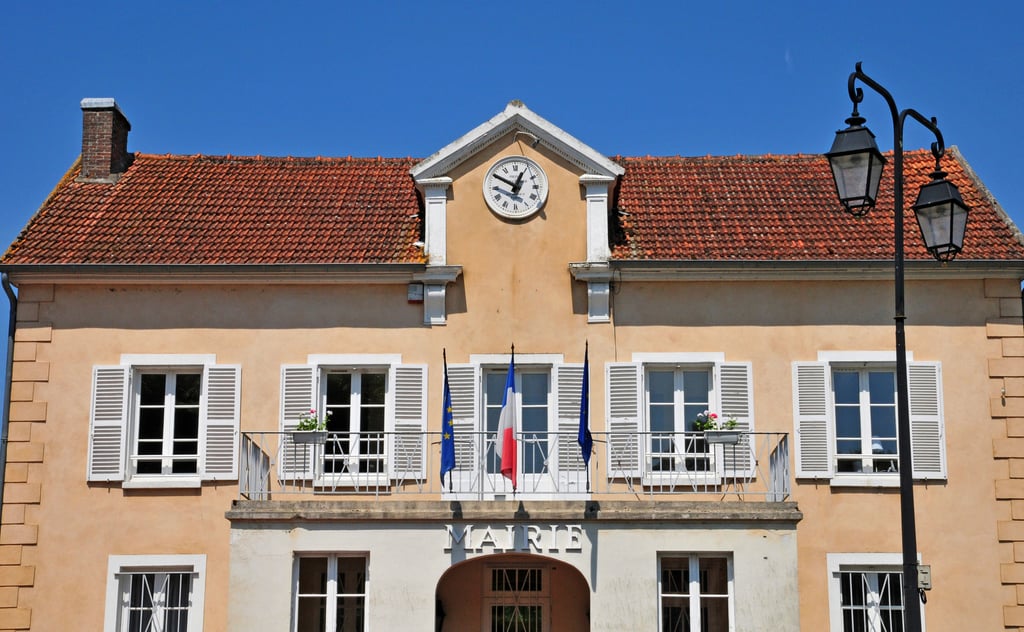
A déclaration préalable de travaux (prior declaration) covers smaller works: extensions under a certain surface threshold, changes to a facade, installation of roof windows, swimming pools under 100 m², and so on. It’s submitted to the local mairie and typically approved within one to two months.
A permis de construire (building permit) applies to more substantial changes: larger extensions, structural alterations or anything that changes the building’s overall volume. These can take three to four months to process. The local PLU may also impose requirements on materials, colours and roof profiles – which don’t always align with what a buyer had in mind.
Properties in protected areas are subject to additional scrutiny from the Architecte des Bâtiments de France (ABF). This can mean that even modest changes – replacing a window, repointing stonework – need approval. Some buyers find this manageable; others find it significantly constrains what they can do.
The practical advice here is: don’t assume your project is possible. Before you exchange, ask your notaire or solicitor to include a condition suspensive in the compromis de vente. This makes the purchase conditional on receiving a certificat d’urbanisme d’opérationnel – a preliminary planning certificate confirming your proposed works are likely to be approved. If the certificate comes back negative, you can withdraw without penalty.
What renovation realistically costs in France in 2026
These are realistic budget ranges for 2026, accounting for material cost increases over the past two years:
| Scope of work | Cost per m² | What it typically covers |
|---|---|---|
| Light renovation | €300–€600 | Painting, new flooring, cosmetic repairs |
| Standard renovation | €600–€900 | Kitchen, bathroom, heating updates |
| Full renovation | €900–€1,500 | Structural, electrical, plumbing, insulation |
| Major restoration | €1,500–€2,500+ | Historic buildings, full reconfiguration |
Regional variation is significant. Rural Normandy and Occitanie tend to be cheaper for labour than PACA or the Alps, where demand from second-home buyers pushes artisan rates up. Paris is the most expensive market of all – a full renovation in the capital can exceed €2,000 per m².
A realistic working rule: take the estate agent’s suggested renovation budget, add 20%, and then consider whether the total acquisition and renovation cost still makes sense against comparable finished properties in the area.
Take the estate agent’s suggested renovation budget, add 20%, and then ask whether the total acquisition and renovation cost still makes sense against comparable finished properties in the area.
Renovation work benefits from a reduced VAT rate of 10% (or 5.5% for qualifying energy efficiency improvements), compared to the standard 20%. This applies to works carried out by registered professionals – another reason to avoid the temptation of informal labour.
Currency timing matters as much as any budget line. If you’re funding renovation works over months or years, paying contractors from a sterling account means your costs will fluctuate with the exchange rate. Many buyers we help use a forward contract through Smart Currency Exchange to fix a rate for future payments – this removes the uncertainty of not knowing what your kitchen or roof will ultimately cost in pounds.
Finding and vetting artisans
Artisans in France are skilled and – in most regions – genuinely in demand. The best tradespeople are typically booked three to six months ahead, so starting your search before you’ve completed your purchase is sensible.
When vetting any artisan, check for two things without exception:
- SIRET number – the French business registration number, searchable online at societe.ninja or on the Infogreffe database. An active SIRET confirms the artisan is trading legitimately.
- Assurance décennale – the 10-year structural insurance that all French builders are required to hold. Ask to see the certificate. If they can’t or won’t produce it, look elsewhere.
For a major project, consider appointing a maître d’œuvre (project manager) or an architecte to manage works on your behalf. This adds a fee – typically 10–15% of the construction cost – but provides professional oversight, handles permit applications, and gives you a single point of contact when you’re not on the ground.
YOH’s guide to hiring a tradesperson in France covers the vetting process in more detail.
Buying a renovation property in France?
Our network of English-speaking property lawyers, surveyors and renovation specialists can help you assess a project before you commit. Get matched with the right expert for your situation.
Energy grants and financial support
Two main schemes are available to renovation buyers in France, though eligibility varies:
MaPrimeRénov’ covers up to 70% of energy renovation costs (insulation, heat pumps, ventilation) for qualifying works. Applications were temporarily suspended in early 2026 due to a national budget freeze – check the current status at france-renov.gouv.fr before budgeting on this grant.
Éco-prêt à taux zéro (Eco-PTZ) is an interest-free loan of up to €50,000 for energy renovation work, available on both primary and secondary residences. Foreign nationals can qualify if the property is used as a primary residence or rented as such.
The Denormandie scheme – a tax reduction for investors who buy older properties in eligible city centres and carry out significant renovation – remains active until 31 December 2026. It’s worth discussing with a French tax adviser if you’re buying in a qualifying commune.
Some départements and rural communes offer additional grants for restoring historic properties or renovating in revitalisation zones – Brittany and Normandy have both run such schemes. Ask the local mairie what’s available before you assume you’re on your own.
4,000+ buyers attended our France webinars last year
Join our next live webinar to hear from French property lawyers, currency specialists and buying agents – and ask your questions in real time.
What should I do next?
If you’re weighing up a renovation project in France, a few early steps will save significant time and money later. Start by browsing France property listings on Your Overseas Home to get a feel for the range of renovation opportunities and prices across regions. Then read our full guide to renovating property in France for detailed guidance on the planning permit process and managing works from the UK.
When you’re ready to move from browsing to buying, speak to a specialist. Our expert matching service can connect you with English-speaking French property lawyers, surveyors and renovation project managers. For currency planning – especially if you’ll be making staged payments to contractors – speak to a specialist at Smart Currency Exchange about forward contracts that protect your renovation budget from exchange rate swings.
Summary
Buying a renovation property in France offers genuine value, but the purchase requires more due diligence than a turnkey home. Read the full DDT diagnostics pack – particularly the DPE energy rating – before making an offer, as new rental regulations make G and F-rated properties increasingly costly to own.
Understand which planning route applies to your project and use a conditional clause in the compromis to protect yourself if permission isn’t forthcoming. Budget €900–€1,500 per m² for a full renovation in 2026, add a 20% contingency, and start identifying artisans early – the good ones are rarely immediately available.
Government support through the Eco-PTZ and potentially MaPrimeRénov’ can reduce the cost of energy improvements. With the right professional team around you, a renovation project in France can be a rewarding and financially sound purchase.
Frequently asked questions
It depends on the scope of work. Minor works – painting, replacing like-for-like fittings, cosmetic changes – generally need no permission. Works affecting the exterior, adding surface area, or altering the building’s volume typically require either a déclaration préalable de travaux or a full permis de construire. Properties in protected zones (near listed monuments or in conservation areas) are subject to additional restrictions from the Architecte des Bâtiments de France. Always check with the local mairie before committing to a purchase if renovation plans are central to your decision.
Practically, this is possible for some properties – you might let a habitable wing while renovating another section. But legally, you cannot let a property rated G on the DPE under a new tenancy agreement since January 2025. F-rated properties face the same restriction from 2028. If rental income is part of your plan, the property’s energy rating and the cost of improving it need to be factored into your acquisition budget before you exchange.
Several specialist firms operate specifically for international buyers purchasing renovation projects in France. Look for a maître d’œuvre or architecte with experience of working with non-resident clients. Check membership of relevant professional bodies, ask for references from previous international clients, and confirm they hold professional indemnity insurance. The FNAIM (Fédération Nationale de l’Immobilier) and the Chambre de Métiers et de l’Artisanat can help verify professional registrations.
Assurance décennale is the mandatory 10-year structural insurance that all French building contractors are legally required to hold. It covers major structural defects that appear within 10 years of completion – subsidence, roof failure, significant water ingress. If a contractor causes structural damage and doesn’t hold this insurance, your only recourse is costly litigation. Always ask to see the décennale certificate before signing a contract or paying any deposit.
It can be, particularly in regions where finished properties are selling strongly and renovation properties are priced at a meaningful discount. The key variables are: the gap between acquisition-plus-renovation cost and the finished market value; the DPE energy rating and improvement costs; and whether planning rules allow the works you intend to carry out. Many buyers find that a realistic analysis narrows the apparent discount considerably – which is why independent valuations and professional cost estimates matter before you commit.
Sources
- Service-public.gouv.fr – Déclaration préalable de travaux
- Service-public.gouv.fr – Permis de construire
- France-renov.gouv.fr – MaPrimeRénov’ and Eco-PTZ schemes
- Service-public.gouv.fr – Dossier de diagnostics techniques
- Connexionfrance.com – DPE rental bans timeline
- My-french-house.com – France Finance Bill 2026: Denormandie and Jeanbrun schemes