


Thinking about buying in Canada’s Prairie Provinces? Here’s what life really looks like across Alberta, Saskatchewan and Manitoba – from climate realities to property opportunities and day-to-day living.
If you’ve spent time in Canada beyond the usual hotspots, you’ll know the Prairie Provinces offer something quite different. This is where space, affordability and opportunity often outweigh big-city prestige. For overseas buyers – especially those priced out of Toronto or Vancouver – Alberta, Saskatchewan and Manitoba present a more accessible route into the Canadian property market – but they come with trade-offs you need to understand before committing.
Download the Canada Buying Guide
Contents
- What life in the Canadian prairie provinces means for property buyers
- Climate and seasonal realities you need to plan for
- Alberta’s cities and economic pull
- Saskatoon and the appeal of smaller cities
- Winnipeg and access to nature with city living
- What property buyers should consider in the prairies
- Is the Prairie region right for your property purchase?
- FAQ about living in the Canadian Prairie Provinces
What life in the Canadian prairie provinces means for property buyers
Stretching roughly 2,000 km between British Columbia and Ontario, the Prairie Provinces form the agricultural backbone of Canada. This region accounts for around 90% of the country’s arable farmland, which explains the vast expanses of wheat and barley you’ll see when travelling through.
The terrain changes quickly once you move east of the Rockies. You leave behind mountain scenery and enter open plains where farming dominates both the landscape and local economies.
Climate and seasonal realities you need to plan for
The weather in the prairies is not something you can treat lightly. Winters regularly average around -8°C and can fall to -30°C during cold snaps. Summers, on the other hand, can be dry and hot, with thunderstorms common in the warmer months.
If you’re considering buying here, this affects more than wardrobe choices. Heating costs, insulation standards and property maintenance should all factor into your budget. Homes are built for resilience, but running costs can be higher than you might expect if you’re used to milder climates.
That said, many residents embrace the seasons fully. Winter sports, summer hiking and other outdoor activities are part of daily life rather than something you only do occasionally.
Alberta’s cities and economic pull
Alberta tends to be the first stop for many overseas buyers looking at the prairies. Its economy has long been driven by oil and gas, and this has translated into higher average incomes and strong job markets in certain sectors.
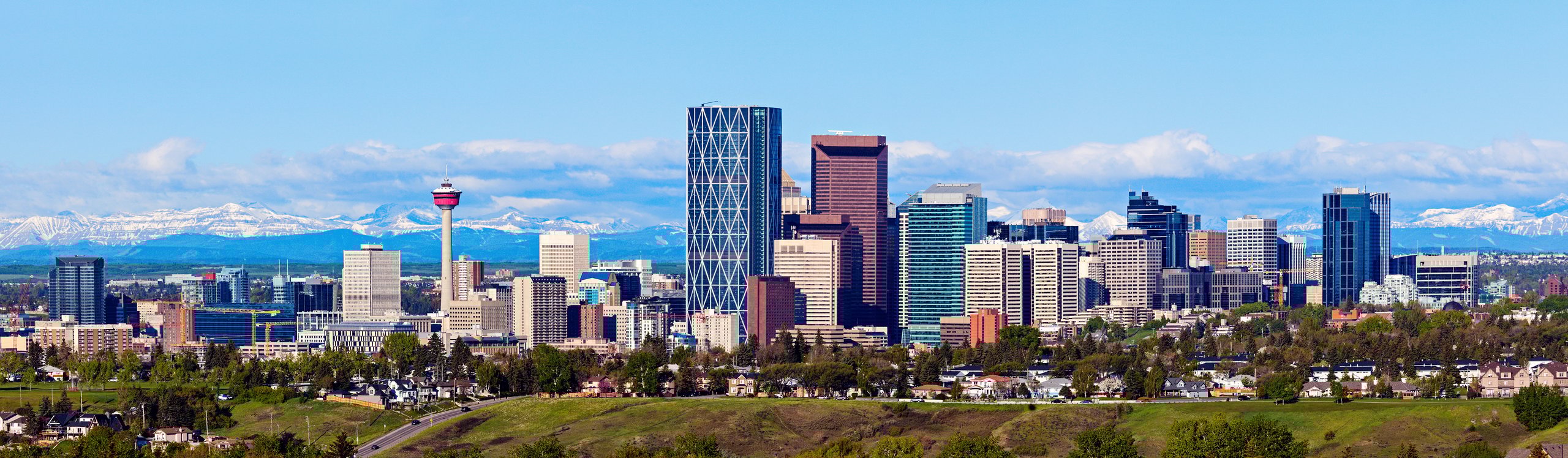
Calgary, in particular, has developed into a city that balances corporate life with access to the outdoors. Neighbourhoods such as Inglewood and Kensington have grown in popularity, offering boutique shops and trendy cafés.
Edmonton, the provincial capital, is a centre for government, education and a growing technology sector. If your move depends on employment, this is worth serious consideration. The availability of skilled work remains one of Alberta’s biggest draws.
Saskatoon and the appeal of smaller cities
If you prefer a slower pace without giving up city living entirely, Saskatoon is worth a closer look. Set along the South Saskatchewan River, the city combines green space with a compact but active centre.
Events such as the Saskatchewan Jazz Festival and the Nutrien WinterShines Festival bring a steady stream of visitors each year, which supports local businesses and adds some seasonal energy to the city.
Employment is closely tied to agriculture and bioresources, and while the market is smaller than Alberta’s, it can offer stability.
Winnipeg and access to nature with city living
Winnipeg offers a different proposition again. As Manitoba’s capital, it functions as a cultural and economic hub while still being surrounded by open landscapes.
Located on the shore of Lake Winnipeg, the city provides easy access to sailing, hiking and camping during the warmer months. At the same time, you’ll find museums, theatres and a food scene that reflects the city’s diverse population.
What property buyers should consider in the prairies
Before buying in the Prairie Provinces, it’s worth weighing up the practical differences compared with more familiar Canadian destinations.
| Factor | Prairie Provinces | Toronto/Vancouver |
|---|---|---|
| Property prices | More affordable with larger homes | Significantly higher, smaller space |
| Climate | More extreme seasonal variation | Milder overall |
| Lifestyle | Space, outdoors, slower pace | Faster pace, urban focus |
You’ll also need to consider visa rules, financing options and any restrictions on foreign buyers, which can change over time.
Is the Prairie region right for your property purchase?
Buying in Alberta, Saskatchewan or Manitoba can make a lot of sense if you’re looking for value and long-term potential. You’ll get more space, often better affordability and access to growing regional economies.
However, this isn’t a lifestyle that suits everyone. The climate, distances and quieter pace mean you need to be comfortable stepping away from the intensity of Canada’s largest cities.
If you already know Canada well and want something more grounded and practical, the prairies are worth serious consideration.
FAQ about living in the Canadian Prairie Provinces
Yes, but not automatically. Canada does not offer a straightforward retirement visa. As a British citizen, you would usually need to qualify through immigration routes such as skilled worker programmes, family sponsorship or investment pathways. It’s important to check current immigration rules before making property plans.
Life in the prairies tends to revolve around space, community and the seasons. You’ll likely spend more time outdoors, adapt to colder winters and enjoy a slower pace compared with larger cities. Many residents value practicality, with strong local networks and a focus on work-life balance.
What sets the prairies apart is the scale. You have vast open land, some of the country’s most productive farmland and cities that feel manageable rather than overwhelming. For property buyers, the combination of affordability, space and economic opportunity is what makes the region stand out.