


Buying land to build a home in Canada gives you the freedom to design around your lifestyle – but only if you understand zoning, permits, servicing and costs before you commit. Here is what you need to know to stay compliant and start building the house you have been planning for years.
You may already know the area you want – perhaps a lakeside lot in Ontario you have visited for years, a stretch of countryside outside Calgary or a coastal plot in Nova Scotia. Building from scratch can be hugely rewarding, but the groundwork you do before buying the land will shape everything that follows. This guide walks you through how to find a plot, who you need on your team and what to check before you sign.
Download the Canada Buying Guide
Contents
Buying land to build a home in Canada as a foreign buyer
Canada covers approximately 9.98 million square kilometres, making it the second largest country in the world by total area. That scale explains why self-build remains a realistic option in many regions.
In most provinces, non-residents are legally allowed to purchase land. However, you must check provincial rules carefully. For example, some provinces restrict non-residents from buying certain types of agricultural or recreational land. In addition, the federal Prohibition on the Purchase of Residential Property by Non-Canadians Act, which came into force in 2023, restricts non-Canadians from buying residential property in certain circumstances, although there are exemptions and the rules have been amended since introduction. Always confirm your eligibility with a Canadian real estate lawyer and refer directly to Government of Canada guidance.
Occasionally, municipalities offer discounted or incentive-based land schemes to encourage development, particularly in rural communities. These programmes usually require you to build within a fixed timeframe and meet specific criteria set by the local authority.
Your building options when you own land
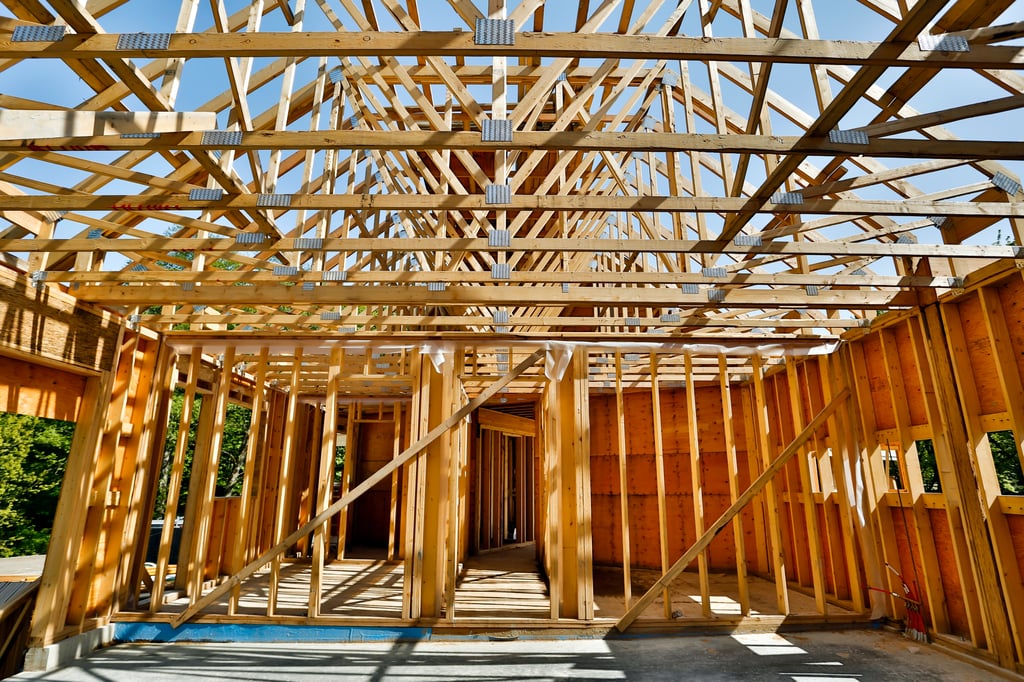
Once you have secured a plot, you typically have two routes.
The first is a full custom build. You appoint an architect or designer, finalise plans, obtain permits and hire a builder. This gives you maximum control over layout, orientation, energy efficiency and finishes.
The second is buying from a developer off-plan on land they already control. You choose from approved designs and personalise fixtures and fittings within set parameters. This can simplify the process, particularly if you are overseas during construction.
If you are set on a particular lakeshore, ski area or commuter belt, ask yourself early on whether fully bespoke is realistic within local planning and servicing constraints.
Where to find land in Canada
Start locally. Contact real estate agents who specialise in vacant land and rural property in your chosen province. Let them know your budget, preferred lot size and whether utilities must already be connected.
Some online portals list vacant land across the country, while specialist rural platforms and local brokerage sites can reveal plots not widely advertised.
If you find a piece of land and are unsure who owns it, you can search the relevant provincial land registry. There is usually a fee to obtain title information, and you will need precise location details.
Building your professional team
Having a strong team on side protects both your budget and your sanity.
Architect or designer
You can search the Royal Architectural Institute of Canada directory or your provincial association of architects. Look for professionals with experience in the specific terrain and climate you are dealing with – building on a wooded lot in British Columbia is very different from constructing on open prairie in Alberta.
Builder
Check that your builder is a member of the Canadian Home Builders’ Association and properly licensed in the province where you are building. Ask to see completed projects and speak directly to past clients. In most provinces, new homes are covered by mandatory warranty programmes. Ensure you review the builder’s warranty record before signing.
Lawyer
You will need a lawyer qualified in your province and ideally a member of the Canadian Bar Association. They will review title, easements, zoning and purchase contracts, and confirm that there are no restrictive covenants that would limit what you can build.
What to check before buying a plot
Location and access
Visit the land more than once and at different times of year if possible. Consider road access in winter, proximity to services and future development plans. Ask the municipality about long-term planning frameworks – what looks like open countryside today could be designated for commercial or residential expansion.
Confirm legal access. If your plot is landlocked, you may need a registered right of way across neighbouring land. Without it, you could face serious resale and financing issues.
Utilities and servicing
Is the plot connected to electricity, gas, water and sewerage, or will you need a well and septic system? Extending services can be expensive and time-consuming. Municipal planning departments can provide guidance on connection fees and requirements.
Check broadband availability if you plan to spend extended periods there. Rural connectivity varies widely by province and region.
Ground conditions and topography
A sloping or rocky site may require additional excavation and engineered foundations. Commission a geotechnical survey before you commit. High water tables, flood risk and soil stability all influence what and how you can build.
Flood mapping and environmental data are often available through provincial or municipal websites. In some areas, conservation authorities regulate development near wetlands, rivers and shorelines.
Zoning and land use
Zoning determines what can be built, how high, how large and sometimes even architectural style. Confirm zoning classification directly with the local municipality. If you intend to build a rental suite or secondary dwelling, check that it is permitted.
Do not rely solely on an agent’s summary – request written confirmation from the planning department.
Building permits
You must obtain a building permit before construction starts. Permits are issued by the local municipality and require submission of detailed plans. Fees vary by province and municipality and are typically calculated based on square footage or construction value.
Permit costs and timelines differ widely, so ask the building department for a current fee schedule and processing estimate. Building inspectors will attend site at key stages, and failure to comply can result in stop-work orders or fines.
How much does it cost to build in Canada?
Build costs vary significantly by city, specification and market conditions. Labour and material costs have fluctuated in recent years, so always ask for up-to-date local quotes rather than relying on national averages.
Statistics Canada publishes construction price indices that track changes in residential building costs. These indices can help you understand cost trends in your chosen region.
As a broad guide, urban builds in cities such as Vancouver and Toronto tend to command higher per-square-foot costs than smaller markets in Atlantic Canada or parts of the Prairies. However, remote rural builds may incur higher delivery and servicing costs, offsetting any land savings.
One advantage of self-build is budget control. You can:
- Compare multiple contractor quotes
- Choose standardised designs instead of fully bespoke architecture
- Phase landscaping and non-essential features
- Source reclaimed materials
Be cautious about cutting corners on structural work, insulation or waterproofing. Canadian winters are unforgiving, and rectifying defects later is far more expensive than doing the job properly from the start.
Final thoughts on buying land to build a home in Canada
If you have returned to the same region year after year and can picture exactly how you want to live there, building on your own plot can be deeply satisfying. The key is patience and preparation. Confirm ownership, zoning, servicing and environmental constraints before you exchange contracts. Assemble a qualified team and insist on clarity at every stage.
With the right checks in place, you will not just own land – you will create a home that fits the way you want to spend your time in Canada.
You might also like: