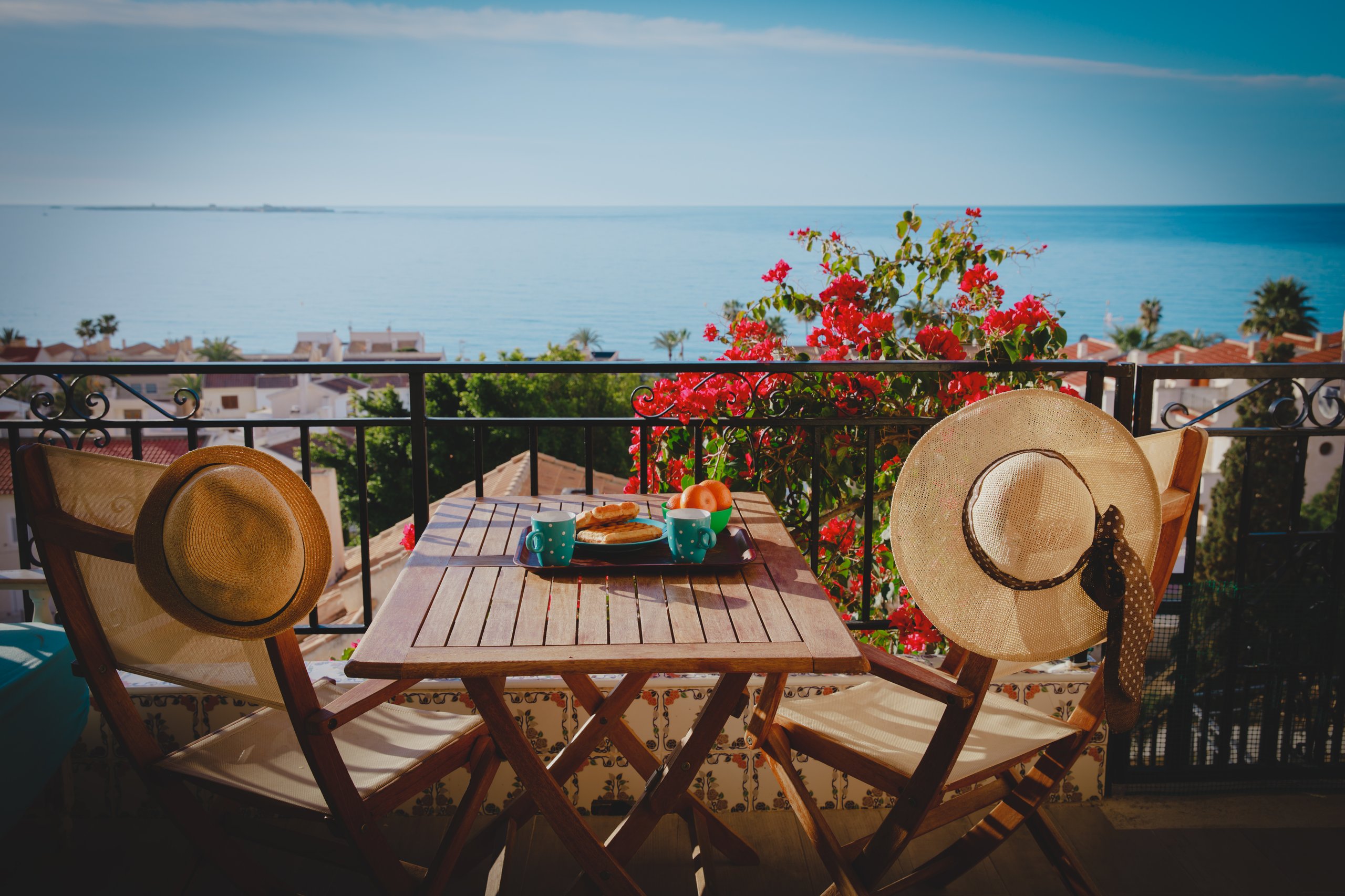




Cuisine is part of Italy’s cultural heritage, passed down the generations, across regions and around the world. UNESCO applauds each family and region that proudly cooks celebrated dishes, based on fresh local vegetables and other produce. Cooking for others and sharing a meal at the table is part of what it is to be Italian.
As you explore Italy’s landscape from the northern Alps down to the southern islands, you will discover that while pasta and pizza are enjoyed across the country, there are other irresistible local specialities. I have listed one from each region below, but there are many more.
What is UNESCO Intangible Cultural Heritage?
Italian Cuisine has been added to the list of Intangible Cultural Heritage. It highlights practices, expressions, knowledge, and skills that communities recognize as part of their cultural heritage. These are living traditions passed down from generation to generation.
What UNESCO status means to Italy
The Minister of Agriculture, Francesco Lollobrigida stated, “This recognition celebrates the strength of our culture, which is national identity, pride, and vision.” Adding, “It is a celebration of families who pass down ancient flavours, of farmers who care for the land, of producers who work with passion, of restaurateurs who bring the authentic value of Italy to the world.”
How Italian cuisine got UNESCO status
The Ministry of Agriculture and the Ministry of Culture nominated Italian Cuisine back in 2023. On 10 December 2025, the UNESCO Intergovernmental Committee in New Delhi made the momentous decision to award it, for the first time, to the whole country of Italy.
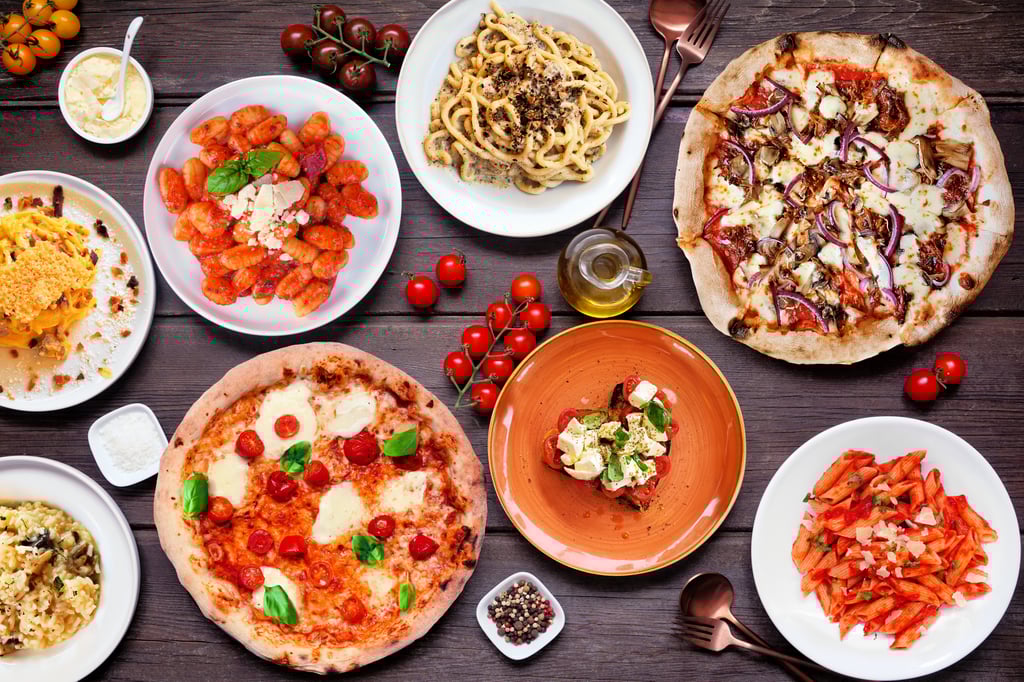
Italy’s presentation The presentation illustrated how Italian cuisine is not just about a single dish or recipe, but rather a shared cultural model. It is a combination of community experiences, carefully selected ingredients, and using what is in season and grown locally. It is also about eating together with family and friends and passing down knowledge.
Italians speak passionately about what they are cooking, recalling happy memories and relationships. Each meal tells a story of a family and the local community. It reflects the connection between land, the community, and local culture.
Promoting Italian cuisine across the world
The campaign to win this status was extensive:
- 2023: Italy launched its UNESCO nomination alongside the Amerigo Vespucci sailing ship as part of the ship’s world tour.
- 2024–2025: Italian cuisine was promoted at key sporting events such as the Ryder Cup, the Giro d’Italia, and the Rugby World Cup.
- 21 September 2025: To involve communities across Italy, the Ministries organized a “Sunday Lunch”. Communities gathered around long tables in the streets and piazzas to share lunch together across the country.
Singing for their supper At festivals, food is often accompanied by music. Therefore, it made sense for Italy’s nomination to include a song. Called “Vai Italia”, it is performed by two children’s choirs and features Italian singer Al Bano.
The song speaks of the beauty of the country and is a dedication to the green earth and its fruits. As Italian cuisine is generally celebrated at the table, the video shows the children laying a long table in the garden and inviting friends to sit together to eat.
UNESCO boosts tourism to Italy
Italy has 61 sites on the UNESCO World Heritage list, the most of any country in the world. Italy knows very well how UNESCO status can increase tourist figures.
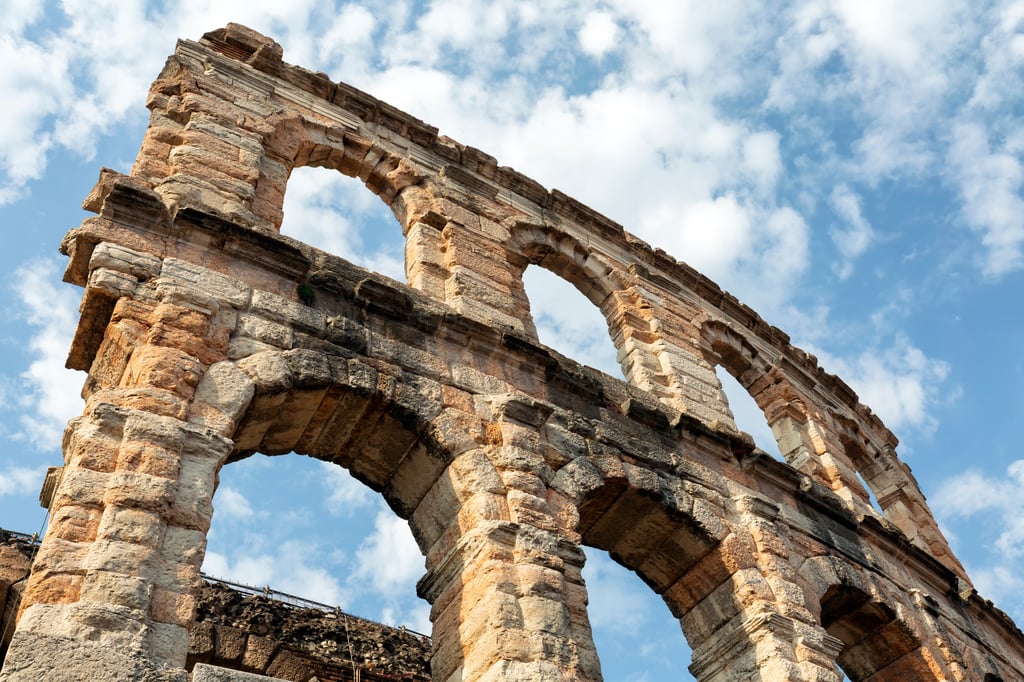
Between 2023 and 2024, tourist arrivals in cultural sites not recognised by UNESCO generally fell by 3.26%, compared with a 7.39% increase in UNESCO sites.
Tourist arrivals, after the new UNESCO status for Italian Cuisine, are expected to rise by between 6% and 8%, equating to approximately 18 million more tourist arrivals in two years. This presents great opportunities for restaurants, vineyards, farms, and those who offer tours and experiential tourism, such as cooking classes.
More work for those who speak languages
Facilities hoping to attract foreign tourists will need staff who speak languages and are able to talk knowledgeably to tourists about the cuisine, its history, and producers.
A restaurant owner I spoke to told me he only employs waiters that speak languages, especially English. The waiter at our table spoke five languages.
Since the Prosecco Hills of Conegliano and Valdobbiadene were recognized by UNESCO as a Cultural Landscape in 2019, employment has risen by 21.7% in related companies.
Italian home cooking: North to South
To give you a taste of what is cooking in Italian homes across the country, I have gathered an example dish from each region.
Cuisine in Northern Italy
The cuisine in the northern regions is influenced by the cooler mountain climate and the produce grown in this diverse landscape. In mountain areas where cattle graze, you will find more dairy-based cuisine. In the Po Valley, where most of Italy’s rice is grown, you will find more risottos.
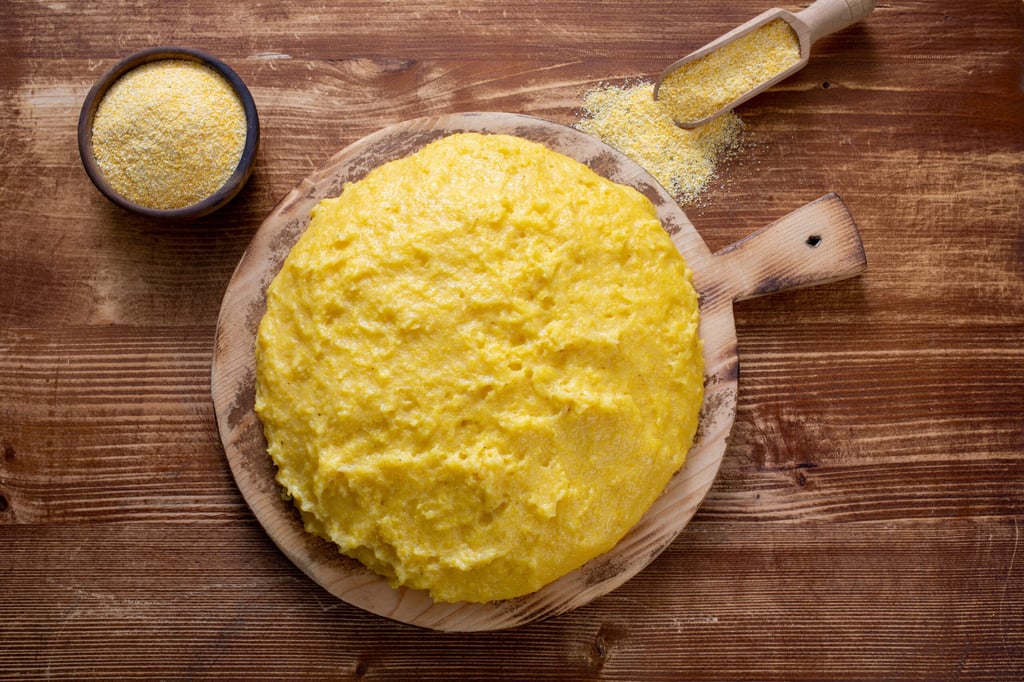
In mountain areas, families gather around large wooden tables by the fire with bowls of broth and dumplings. Snacks might include chunks of cheese, sausages, and crispy bread.
Property Insight: A two-bedroom apartment near ski slopes in this region might cost around €850,000 (£710,000).
| Region | Dish | Description |
|---|---|---|
| Valle d’Aosta | Polenta | Cornmeal boiled to make a creamy smooth mash. |
| Piedmont | Agnolotti del Plin | Pinched pasta filled with meat and vegetables, served with butter and sage or a meat sauce (ragù langarolo). |
| Lombardy | Risotto alla Milanese | A classic saffron risotto. |
| Trentino Alto Adige | Strangolapreti | “Priest stranglers”—small dumplings made from dry bread, spinach, and potatoes. Legend says they were so good, priests ate them until they choked. |
| Friuli Venezia Giulia | Frico | Cheese and potatoes grated and cooked in a frying pan. |
| Liguria | Pesto | Dishes using pasta and local basil, pine nuts, garlic, parmesan cheese, and olive oil. |
| Veneto | Riso e Bisi | Rice and peas in a dish which is a cross between a risotto and a soup. |
| Emilia-Romagna | Tagliatelle al Ragu | Flat egg pasta with a sauce of meat, tomatoes, onion, and carrot. |
Cuisine in Central Italy
In central Italy, home cooking typically uses seasonal vegetables, bread, extra virgin olive oil, legumes, and homemade pasta. In countryside areas, families have a strong connection with the land and family traditions.
Meat dishes, hearty soups, and pasta dishes with a rich meaty sauce are often seen on the family dinner table. Local cheeses and bread fresh from the bakers are regular features.
Property Insight: A miller’s house near Lucca in Tuscany can be found for €290,000 (£242,000).
| Region | Dish | Description |
|---|---|---|
| Tuscany | Pappardelle al Ragu | Ribbon pasta with hare (lepre) or wild boar (cinghiale) ragu. |
| Umbria | Porchetta | Pork stuffed with herbs like fennel, rosemary, and garlic, slow-roasted until the meat is tender and the skin crisp. |
| Le Marche | Vincisgrassi | A lasagna-style dish with a rich, mixed-meat sauce. |
| Lazio | Spaghetti alla Carbonara | Spaghetti, pork cheek (guanciale), pecorino romano cheese, and egg. |
| Abruzzo | Pecora alla Callara | Lamb cooked slowly in a large pot. |
| Molise | Baccalà Arracanato | Baked cod prepared with breadcrumbs, pine nuts, walnuts, raisins, olives, and tomatoes. |
Cuisine in Southern Italy
The southern regions cover a large area spread out across peninsulas and islands surrounded by blue seas. In the sunny south, families eat a light Mediterranean diet using pasta, locally grown vegetables, and fruit.
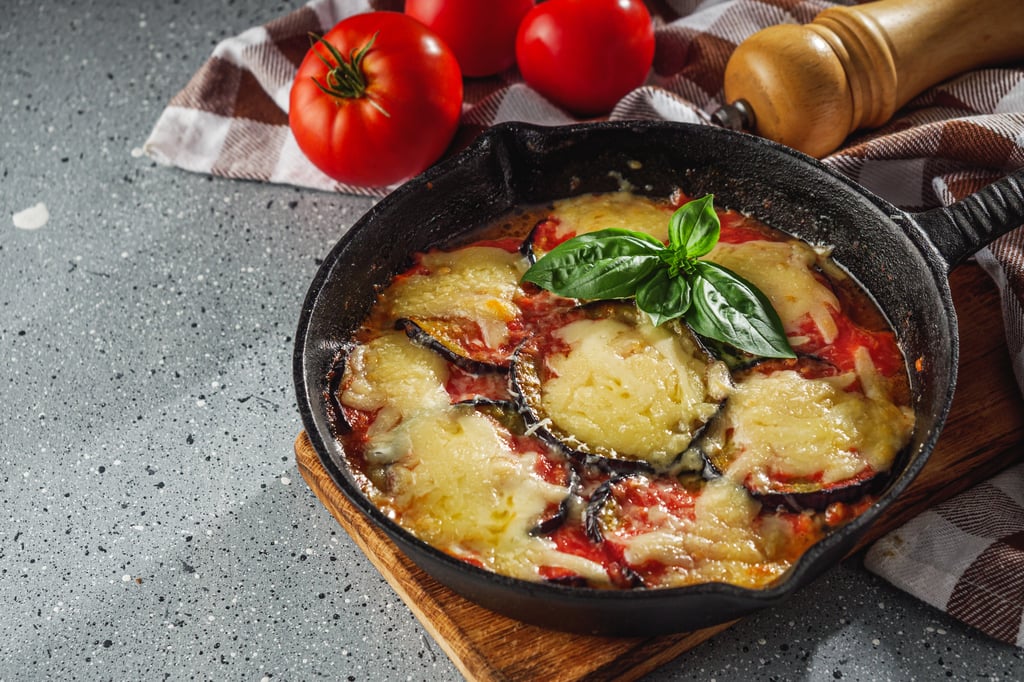
From Neapolitan pizza to Melanzane alla Parmigiana, each dish reflects what is grown in that area. Honey in Basilicata, red Tropea onions in Calabria, and extra virgin olive oil in Puglia all add to the regional flavours.
Over the summer months, families often gather for long lunches on the veranda of their countryside home, or at Nonna’s house. They will even set up lunch with the whole family at the beach, with a forest of umbrellas. Kitchens tend to be small, but when you are cooking using fresh ingredients, you don’t need much storage. More space is given for a large table to fit the whole family around, including cousins.
Property Insight: A three-bedroom home with outdoor dining on Sicily starts from €175,000 (£146,000).
| Region | Dish | Description |
|---|---|---|
| Campania | Parmigiana di Melanzane | Layers of fried eggplant, tomato sauce, mozzarella, and Parmesan. |
| Basilicata | Pollo alla Potentina | Chicken cooked with tomatoes, onions, potatoes, and chili. |
| Puglia | Orecchiette con Cime di Rapa | Ear-shaped pasta with turnip tops (a green leafy vegetable with small florets). |
| Calabria | Vrasciuli | Eggplant meatballs. Chili (peperoncino) also features in many dishes here. |
| Sicily | Pasta con le Sarde | Bucatini pasta with sardines, wild fennel, pine nuts, raisins, and saffron. |
| Sardinia | Fregola | Toasted pasta pearls, often cooked with clams, mushrooms, or sausage. |
To discover more about what Italians cook at home, download our guide on How to cook like a local in Italy.
FAQs
While UNESCO has recognised the “Mediterranean Diet” previously, the 2025 recognition covers Italian cuisine as a whole cultural practice. It emphasizes the social rituals, sustainability, and intergenerational transmission of knowledge involved in Italian cooking.
This is hotly debated! Emilia-Romagna is often called the “Food Valley” for its parmesan and prosciutto. However, the south (Campania, Sicily) is famous for pizza and seafood, while Tuscany is renowned for simple, rustic meat dishes and wines.
Yes. Italy has a wide range of properties. You can find renovation projects in Abruzzo for under €50,000 (£42,000) or luxury farmhouses in Tuscany for over €1m (£835,000). The diversity of the cuisine is matched by the diversity of the property market.