


Winter in Spain is often overlooked, but writer and long-term expat Sally Veall shows why it deserves your attention. Drawing on everyday life in north-east Spain, she shares how shorter days, seasonal routines and quieter streets can be surprisingly rewarding.
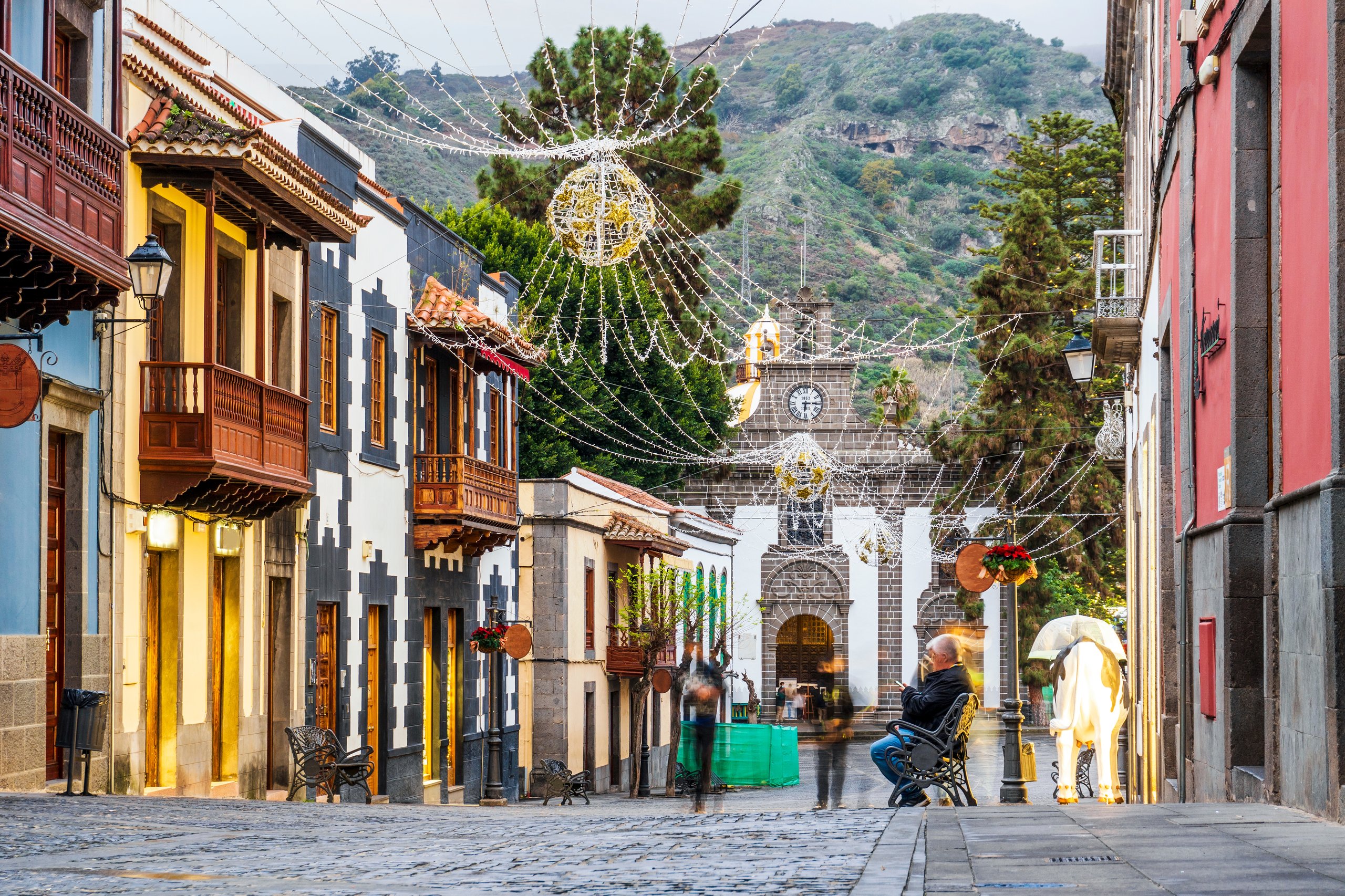
Winter in Spain, to my mind, is the season when the country finally exhales. The frantic energy of summer slips away and everyday life settles into something far more companionable. I rather like the chilly mornings, when you need a scarf with your café con leche and the way the sun still manages to feel properly warm by lunchtime. There’s a cosy satisfaction in wandering through quieter streets, noticing oranges on trees and hearing snippets of conversation drift from half-empty terraces. It’s not postcard Spain, perhaps, but it is comfortable, authentic and quietly delightful.
I always find January to be a strange month, something and nothing. The Christmas festivities are over, the utility bills roll in and we feel like hibernating until Spring arrives. Here in north-east Spain, our winters are mild, though increasingly wet. Many bars and restaurants are closed for a well-earned break following busy days in December. Winter is a time for quiet living – but that doesn’t mean it is boring.
Download the Spain Buying Guide
Mornings
The mornings are becoming lighter, which makes getting up easier. This is especially true for students and parents, as school often starts at 8am. Since most businesses and retail outlets open from 9:30am to 10pm, there is time to enjoy coffee and breakfast in a leisurely manner, watching the news – both Spanish and British (Sky News is available on YouTube) – and catching up with text messages or emails.

Walks with friends
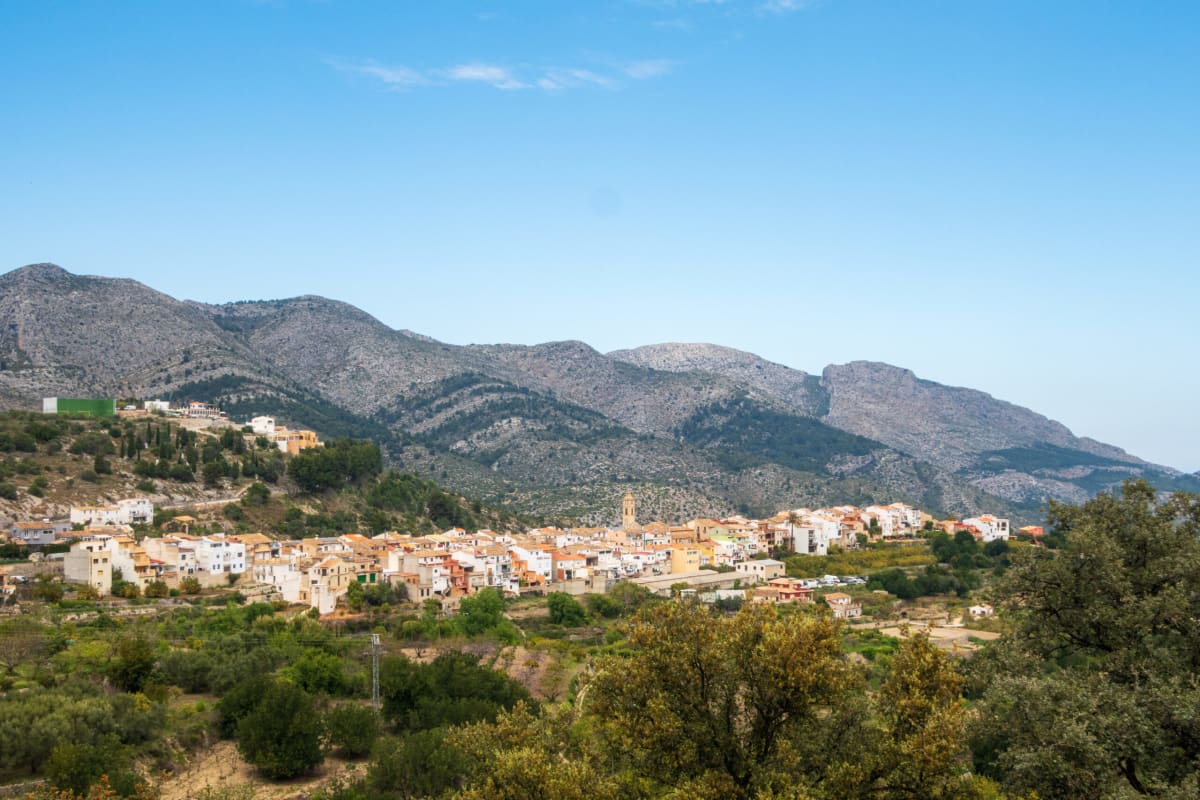
If the weather is kind, a group of friends and I go for walks in the lovely countryside, just a few hundred metres from home. Last week we strolled for 7km, on tracks that were originally used by trains and that are now level paths for walking and cycling. The fields were already green with new shoots of crops and the sun shone on a village church in the distance. We saw a flock of yellow hammers heading towards some reeds and wondered what was attracting them. A lone egret was flying from field to field and refused to stay still long enough for me to photograph it. Papaya fruit hung from bare branches.
At about two-thirds along our route, we stopped for coffee at a tennis club. It is a good spot in the sunshine to rest our legs and enjoy a truly perfect coffee: congratulations to the barista!
Afternoons
Once home, it’s time to make lunch. The abundance of in-season vegetables and fruit from our local market makes lunch healthy and tasty. Here, most people just buy locally grown produce or from other parts of Spain. Imported produce is available in the supermarkets but it seems unnecessary to buy something flown from Peru or Morocco when local fruit and veg are so good and in season. Why buy strawberries in January? I have an orange and lemon tree in my garden, both of which are full of fruit now. The Girona region is a big producer of wonderful apples and pears. Clementines and mandarins grow in southern Spain, as well as grapes and kiwi fruit. It’s better to wait for March for strawberries.
Being near the coast, fish and seafood are plentiful but expensive these days. Most supermarkets have a fresh fish counter, and the cheaper options are farmed. I did buy some wild salmon recently, which was on offer. There is a great little tapas bar in my town with an excellent menu of seafood dishes. It’s a treat to go there because everything is cooked to perfection. It isn’t cheap, but a most pleasant way to eat with friends.
The gym, art class and dance class
After lunch, I might go to the gym. I go twice a week for weight training which is highly recommended for anyone over 50. You can find first-class gyms and training centres in every town in Spain. Mine is run by Joel, a charming young man who is an excellent trainer. It is very sociable there too, which is a good way to meet people. We are an international bunch, coming from the UK, Ireland, the US, France, South America and the Netherlands.
Alternatively, I might attend a dance class or an art class. There are so many options to explore, even in the depths of winter when the weather is inclement, that there is no excuse to sit at home and watch daytime TV.
Evenings
Speaking about TV, you can get all the streaming services in Spain, including Disney +, Netflix, HBO, and Amazon Prime. For those of you who, like me, enjoy Asian series and films, there’s Rakuten Viki. Some of these services are available as a package with a mobile phone and a WiFi contract.
On winter evenings, it’s nice to watch a good thriller or romcom. There are some excellent Spanish series too, and if you watch them with Spanish subtitles, you will be improving your language skills whilst relaxing.
Our town has a cinema club and tickets are just €5. We get many non-Spanish films, including up-to-date American and British offerings. On Saturdays, a short walk into town to see a good film, followed by time spent in a tapas bar with friends, makes for a fun, sociable winter evening.
We also go to each other’s homes for light suppers or tapas. Always after 8pm as many shops and businesses stay open until then. Lunch tends to be a more serious affair, either in a restaurant or in a friend’s home. In fact, lunch is the main meal of the day in Spain, which is good for one’s health. A light snack in the evening is better for digestion before heading to bed.
Brainpower
Evenings in winter are also a good time to learn a language. Follow a hobby, catch up on your reading and practice your Spanish. It really does help to speak the local language. You will feel less isolated and will be able to meet people easily. You can do online courses or go to the local adult college to improve your knowledge of Spanish. Winter is the perfect time to do it, as there are so many other things to do on summer evenings.
Bedtime
The Spanish go to bed later than most Northern Europeans; well, the day starts later and it follows that bedtime is later too. You might be tempted to stick to British timings but to really be a part of your community, it is better to adapt to Spanish times. This means starting later in the morning, eating lunch between 2pm and 4pm and a light evening meal at 8:30 pm or later. It will seem strange at first but if you persevere, you will fit in perfectly with the Spanish way of life.