




Spain has something for every buyer – but how do you choose where’s best for you? This guide breaks down the most popular regions for overseas buyers, comparing lifestyle, prices and accessibility to help you make an informed decision.
Spain still tops the list for overseas buyers, but choosing where to buy in 2026 requires a bit more thought than it did a decade ago. Prices, rental rules and buyer demand now vary sharply from one region to the next, and what works brilliantly as a holiday base doesn’t always stack up for long-term living or investment.
If you’ve spent years returning to Spain and are now thinking about buying, the decision often comes down to lifestyle versus logic. Coastal hotspots offer familiarity and strong rental appeal, while inland areas deliver space, value and a more Spanish pace of life. Islands bring prestige and strong demand, but with a limited supply of homes, prices are typically higher. Cities promise year-round demand, but come with tighter regulations.
This guide breaks down where overseas buyers are focusing their attention in 2026, comparing regions by lifestyle, accessibility and long-term prospects to help you find the best location for your new home.
Download the Spain Buying Guide
Contents
Costa Blanca
Best for: Coastal towns and golf resorts with strong rental potential
Who buys here: Retirees and holiday-home owners from the UK and northern Europe
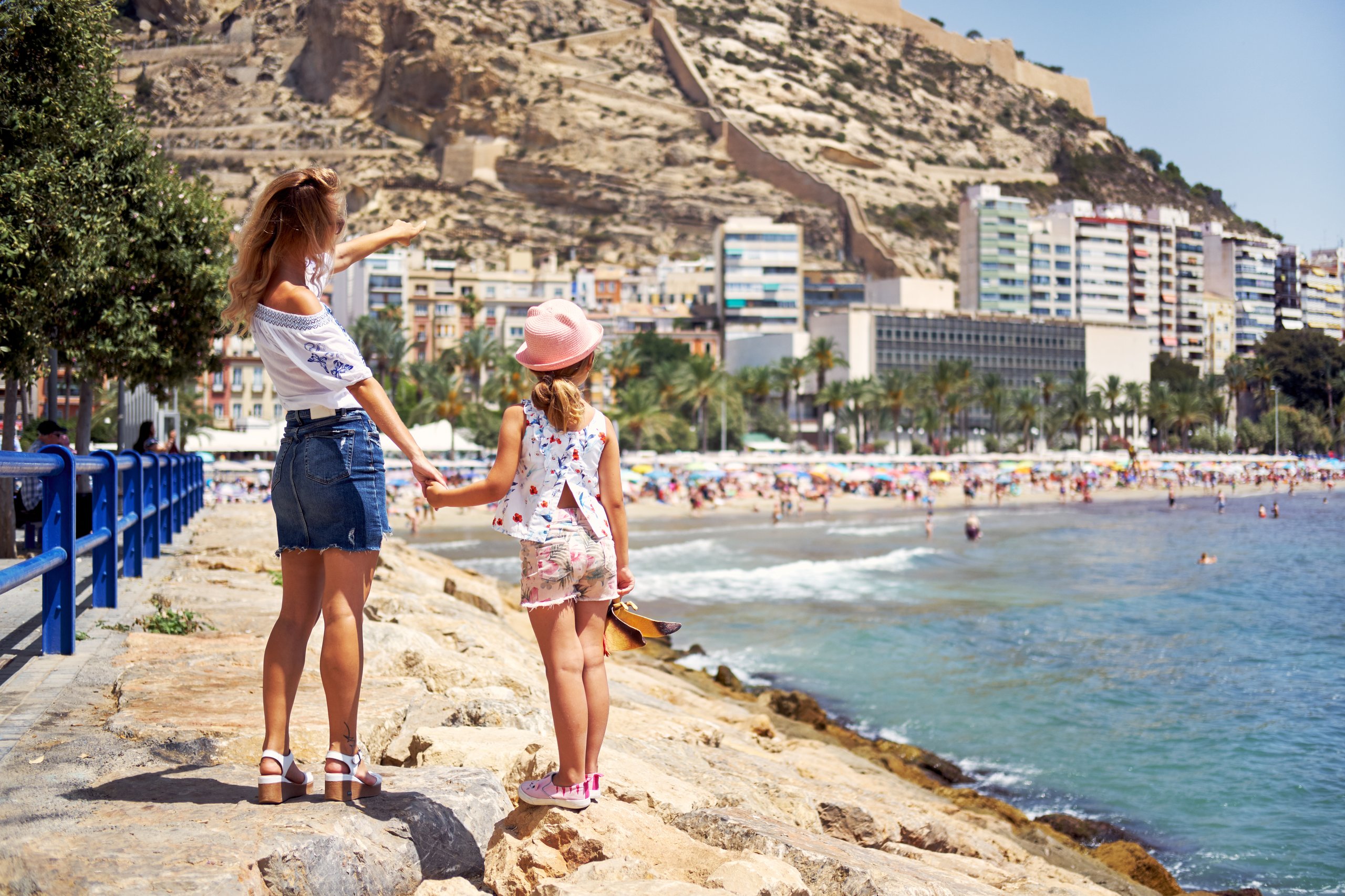
The Costa Blanca, in the region of Valencia, is still one of the top spots for British buyers. With more than 300 days of sunshine, excellent healthcare and established English-speaking communities in towns like Javea, Moraira and Torrevieja, it’s easy to settle in. The southern stretch, near Alicante, tends to be more affordable, while the northern Costa Blanca attracts higher-budget buyers.
Costa del Sol
Best for: Glamorous hotspots, modern infrastructure and golf
Who buys here: Holiday-home owners, expats and remote workers
From Marbella’s beach clubs to the golf courses of Mijas and Estepona, the Costa del Sol combines sunshine with sophisticated living. Malaga’s growing popularity among younger buyers and digital nomads has also brought new energy to the region. It’s pricier than the Costa Blanca, but you’ll find newer builds and well-managed communities.
Costa Cálida
Best for: Undiscovered coastline and traditional Spanish towns
Who buys here: Retirees and second-home buyers looking for peace and quiet
Murcia’s Costa Cálida flies under the radar, but it’s a solid option if you want affordability and a more relaxed pace. Places like Mazarrón and San Pedro del Pinatar offer great value and growing expat communities. You’ll also find newer resort developments like Condado de Alhama and La Manga Club.
Almería
Best for: Desert landscapes and unspoilt coastline
Who buys here: Adventurous buyers seeking space and solitude
With its dramatic natural parks and quieter resorts, Almería offers a totally different flavour of Spain. Mojácar and Vera Playa have more developed options, while inland villages provide good opportunities for renovation projects. The region’s lower population makes it ideal if you’re looking for a more peaceful lifestyle.
Costa Tropical
Best for: Authentic coastal towns
Who buys here: Buyers who want culture, not crowds
This relatively unknown stretch between Costa del Sol and Costa Almería is ideal for those wanting the best of both worlds: traditional Spanish culture and a seaside setting. Towns like Almuñécar and Salobreña offer a slower pace, and you’re within reach of Granada and the Sierra Nevada mountains.
Costa Brava
Best for: Rugged coves, clear water and easy access from France
Who buys here: Holiday-home owners from France, Germany and the UK
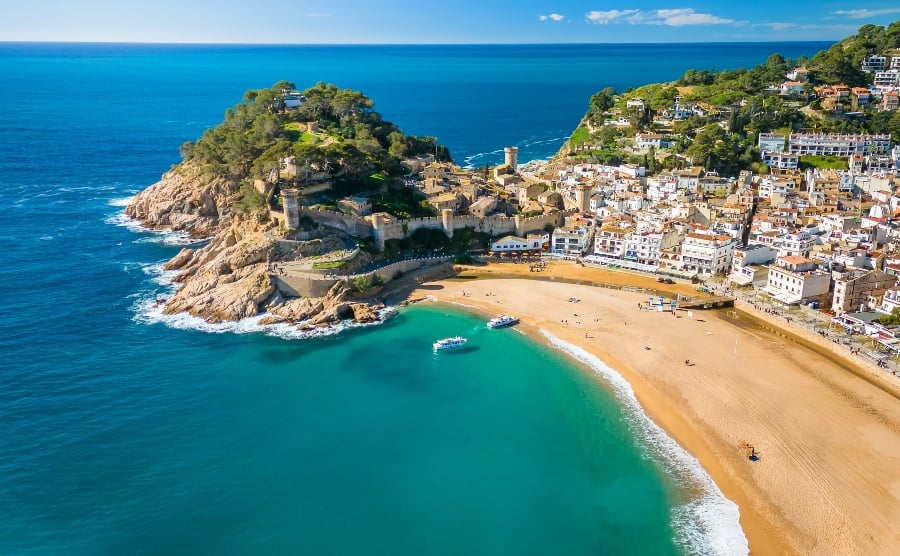
Located in Catalonia, close to the French border, the Costa Brava is known for its rocky coves, pine-covered hills and a slightly more upmarket vibe. Towns like Begur, Tossa de Mar and Lloret de Mar attract buyers from all over. Barcelona is just a train ride away, adding to its appeal.
Barcelona
Best for: City lovers, entrepreneurs and property investors
Who buys here: International buyers looking for short-lets or second homes
Barcelona is consistently popular with buyers thanks to its world-class food, architecture, beach lifestyle and strong rental market. Property here doesn’t come cheap and rental regulations are strict, but demand remains high.
Madrid
Best for: Culture, city living and year-round action
Who buys here: Professionals, long-term residents, second-home owners and investors
Spain’s capital isn’t just about politics and business – it’s a cosmopolitan, buzzing city with Michelin-starred restaurants, excellent shopping and a growing international population. The property market is stable, and you’ll find everything from inner-city apartments to suburban villas.
Seville
Best for: Moorish architecture and flamenco
Who buys here: Culture-seeking buyers and long-stay second-home owners
Seville is the beating heart of Andalusia; a city full of energy, history and orange-tree-lined streets. With hot summers and mild winters, it’s perfect if you’re looking to spend more time outdoors. The property market is more affordable than Madrid or Barcelona, especially in areas like Triana or Macarena. It’s also well-connected by high-speed rail and airports in both Seville and nearby Jerez.
The Balearic Islands
Best for: Island lifestyle, high-end homes and sea views
Who buys here: High-net-worth buyers and second-home owners
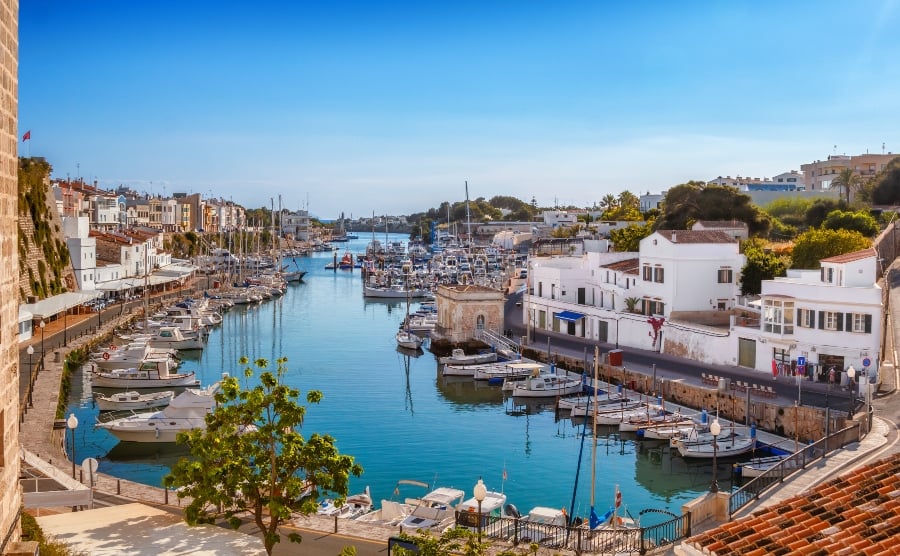
The Balearic Islands include Mallorca, Menorca and Ibiza, with each offering something different. Mallorca combines sophistication with family-friendly resorts and yacht clubs, while Menorca is quieter and more traditional – ideal for laid-back living. Ibiza is famous for its nightlife, but away from the clubs, there are peaceful inland fincas and wellness retreats that appeal to those looking for calm between seasons. Across all islands, expect high property prices and a steady stream of international buyers.
The Canary Islands
Best for: Winter sun and long rental seasons
Who buys here: Investors and retirees looking for reliable returns
The Canary Islands of Tenerife, Gran Canaria, Lanzarote and Fuerteventura offer warm weather year-round, which means they have longer rental seasons than mainland Spain. Many buyers here are looking for a second income from tourism, while others are drawn to the laid-back island lifestyle and low living costs.
Inland Spain
Best for: Authentic Spanish towns, affordability and large plots
Who buys here: Permanent movers and renovation enthusiasts
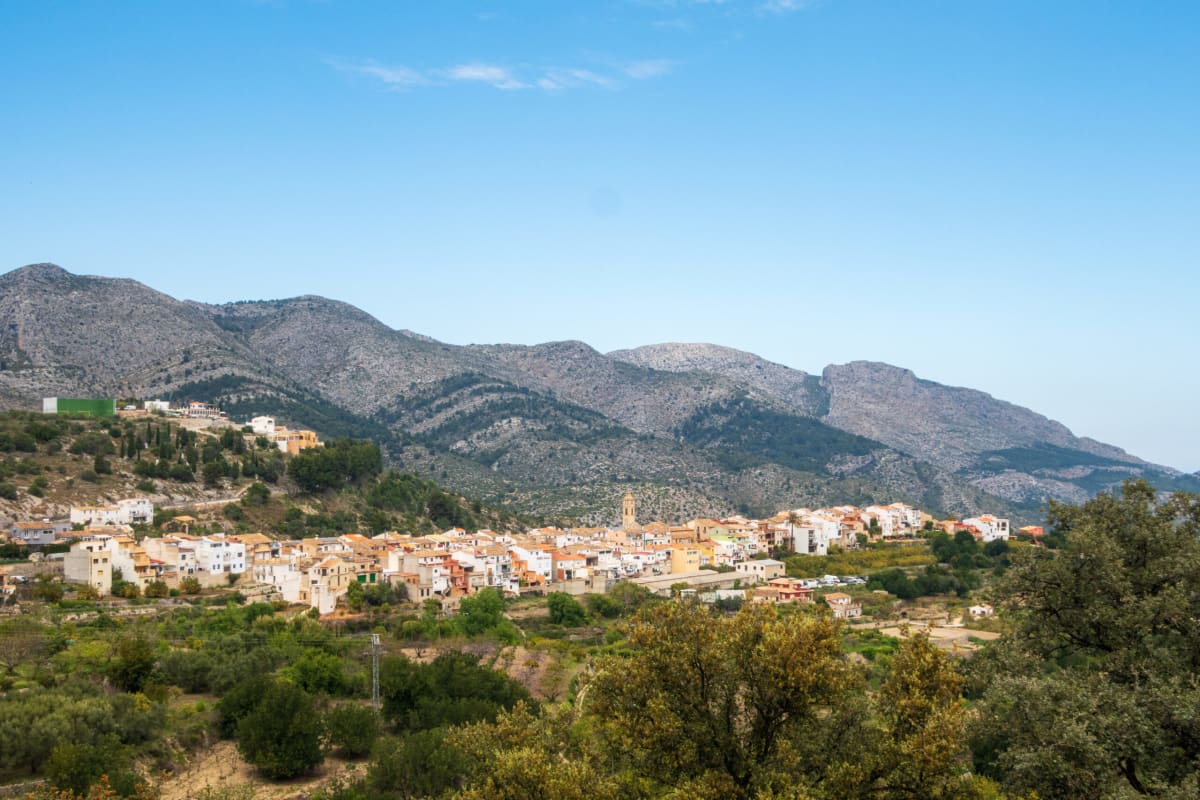
Regions like Extremadura, Castilla-La Mancha and inland Andalusia are gaining interest from buyers seeking a quieter, more rural lifestyle. You’ll get a lot more for your money – think farmhouses, vineyards and olive groves – but you’ll need to be comfortable with fewer amenities and a stronger grasp of Spanish.
Search homes for sale in Spain
What should guide your decision?
Before narrowing down your search, ask yourself:
- Do you want to live there year-round or just while on holiday? Some areas, like the Balearics, quieten down in winter
- Do you need access to healthcare, English-speaking services or international schools? Costa Blanca and Costa del Sol are best for these
- Do you plan to rent the property out? Look for areas with high tourism demand and easy airport access
- Are you open to renovating? Inland Spain or older parts of towns can offer good opportunities for restoration
Final thoughts
Choosing where to buy property in Spain depends on your lifestyle, budget and long-term goals. Whether it’s the beaches of the Costa Blanca, the luxury hotspots of the Costa del Sol or the rustic charm of inland villages, there’s a place for you – you just need to define your priorities.
Explore property listings and speak to experts who understand the regions first-hand. With the right planning and support, you can feel confident and in control of your Spanish property journey from the very start.
FAQs about where to buy in Spain
In 2026, the best places to buy in Spain are those that balance lifestyle appeal with year-round demand and solid infrastructure. The Costa Blanca and Costa del Sol remain firm favourites thanks to their healthcare, transport links and established international communities. Murcia’s Costa Cálida and Almería continue to attract buyers looking for better value without sacrificing sunshine. For city living, Málaga stands out for its growth, while inland Andalusia and parts of Valencia are gaining traction among buyers planning permanent moves rather than short stays.
The strongest investment locations in Spain tend to be areas with consistent rental demand beyond the peak summer months. Málaga city, parts of the Costa del Sol and the Canary Islands perform well due to long seasons and international appeal. The Costa Blanca also remains a dependable option, particularly near Alicante and Valencia airports. If you’re investing, it’s essential to factor in local rental regulations, licence availability and realistic yields rather than relying purely on headline prices.
British buyers continue to favour regions where day-to-day life feels easy. The Costa del Sol and Costa Blanca lead the way, followed closely by Murcia. These areas offer English-speaking services, reliable healthcare, familiar supermarkets and frequent direct flights to the UK. Málaga city is becoming increasingly popular with younger buyers and remote workers, while inland areas appeal more to Brits planning full-time moves who are happy to integrate and speak Spanish.
You might also like: