

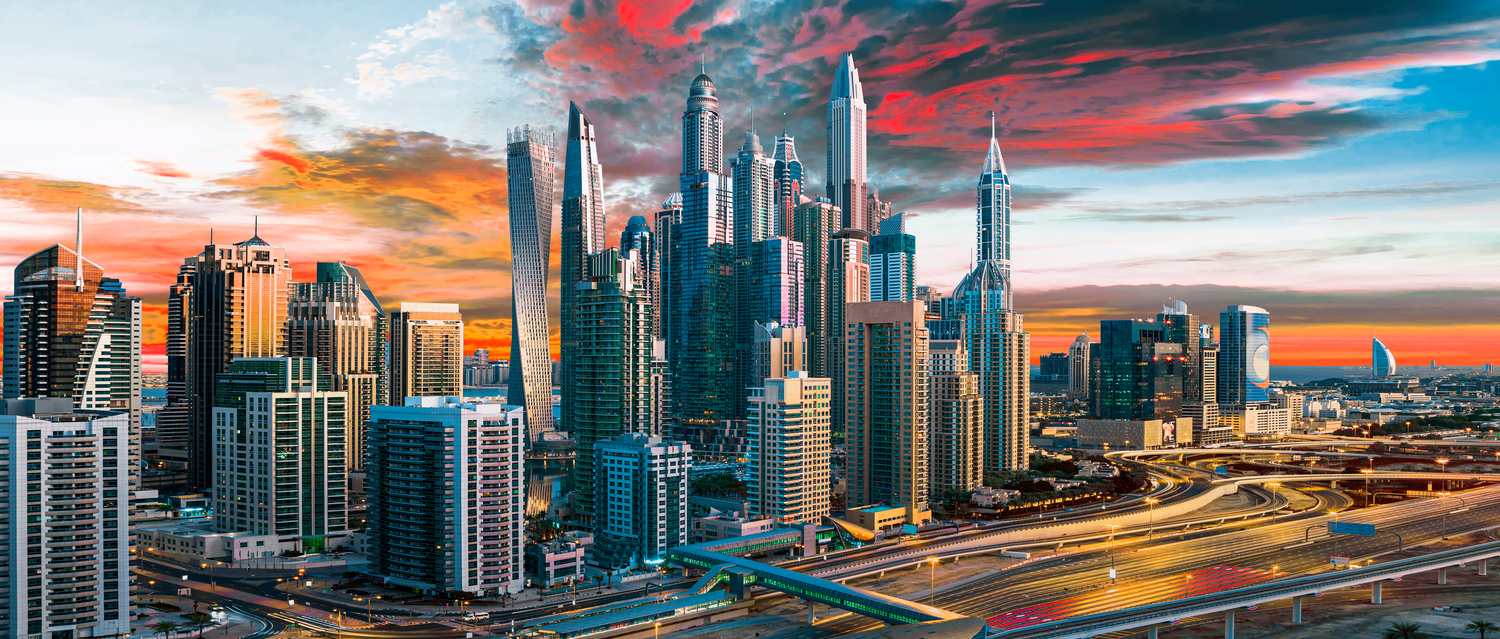
For many, the vision of life in Dubai is clear: breakfast on the terrace, tax-free salaries, and weekends on a yacht. But while the Instagram version of Dubai is technically possible, the daily reality involves navigating intense summer heat, school run traffic, and the specific costs of maintaining a home in the desert.
Living here is not an extended holiday. It is a fast-paced, high-energy experience that rewards those who plan their finances and adapt to the culture. Whether you are retiring to the sun or relocating for work, understanding the practical mechanics of life in the UAE—from healthcare to “district cooling” bills—is just as important as choosing the right villa.
Contents
Why Dubai?
Strategically located at the crossroads of East and West, Dubai attracts expats and investors from across the globe. For British buyers, the appeal often goes beyond the weather; it is the combination of high safety standards, English-speaking infrastructure, and a tax-efficient environment.
Dubai stands out for its specific brand of tolerance. While it remains an Islamic emirate with clear social norms, it accommodates a Western lifestyle comfortably. It is a city of ambition, home to the Burj Khalifa and the Palm Jumeirah, but beyond the records, it is a functional, well-connected hub. Recent rankings consistently place it among the top global cities for safety and expat desirability, driven by its robust healthcare and education systems.

Moving to Dubai for work
For decades, the standard path to Dubai was a corporate transfer. Today, the landscape is more diverse, but the economic pull remains the same. Dubai’s population continues to grow—projected to reach nearly 8 million by 2040 under the government’s Urban Master Plan—and this growth is fuelling demand for housing and services.
The ‘D33’ economic agenda aims to double the size of Dubai’s economy over the next decade, reducing reliance on oil and boosting sectors like tech and tourism. For professionals, this means opportunities.
Salaries here are typically higher than in the UK, and crucially, there is no personal income tax. While a 9% corporate tax was introduced recently, it generally applies only to businesses outside Free Zones with profits exceeding a specific threshold. For an employee moving from London, the lack of income tax can result in a significant uplift in disposable income, even when factoring in the cost of living.
If you are moving assets or salary to Dubai, speak to Smart Currency Exchange to protect your funds from exchange rate volatility.
If you’re considering a move to Dubai and need help organising your currency, register with Smart Currency, a trusted partner of Your Overseas Home.
Visas – worker, retiree or investor!
The days of needing a specific job to live here are over. The visa system has been overhauled to attract long-term residents.
Work Visa: Most expats still arrive via this route. Your employer acts as your sponsor, handling the paperwork for your residency and ID.
Green Visa: Launched to attract skilled professionals and freelancers. It allows for a five-year residency without an employer sponsor. You typically need a bachelor’s degree and a monthly income of AED 15,000 (£3,200) or more.
Remote Work Visa: Ideal for “digital nomads.” If you earn $3,500 (£2,750) per month from employment outside the UAE, you can live in Dubai for a year (renewable) while keeping your foreign job.
Golden Visa: The gold standard for investors. You can obtain a renewable 10-year residency by purchasing property worth AED 2m (£430,000) or more. This applies to both off-plan and resale properties, and recent changes allow for mortgaged properties to qualify (subject to specific equity rules).
Retirement Visa: Designed for the over-55s. Eligibility requires owning a property worth AED 1m (£215,000) or having significant cash savings.
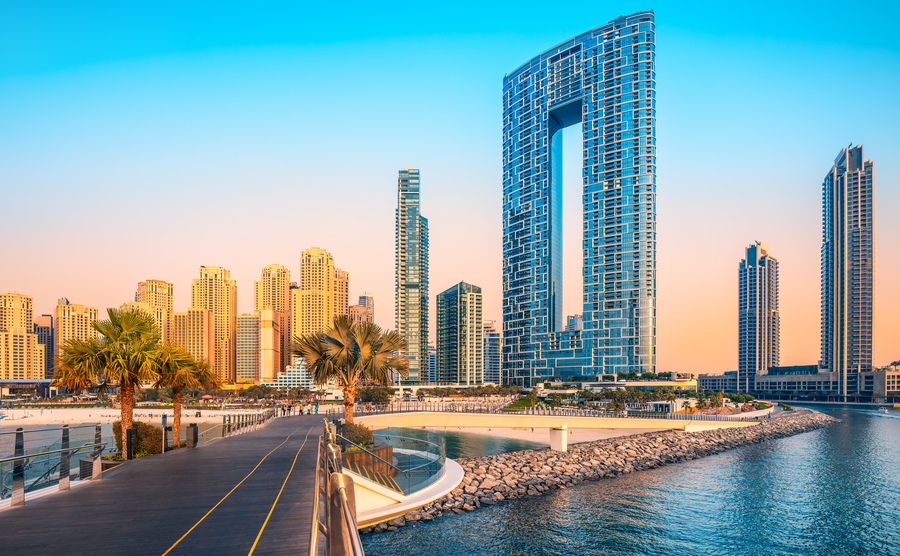
Property market snapshot
Foreign nationals can own freehold property in designated investment areas, which cover the vast majority of popular expat communities.
The market in 2026 is maturing. While prices in prime locations like the Palm Jumeirah remain high due to limited stock, there is better availability in emerging communities.
For investors: Coastal areas like Dubai Marina and Emaar Beachfront remain popular for their high rental yields and demand from young professionals.
For families: Inland communities offering more space are often preferred. Dubai Hills Estate and Arabian Ranches are prime examples, offering villas set around golf courses with international schools and malls within the gates.
Budget: A budget of AED 1m–1.8m (£215,000–£390,000) will typically secure a modern apartment in a well-connected area, while villas in family communities generally start from AED 3.5m (£750,000).
Q&A
Yes. The UAE consistently ranks as one of the safest countries in the world. Violent crime is extremely rare.
Yes. Non-resident buyers can typically borrow up to 50-60% of the property value, while residents can often access up to 80%.
No. English is the primary language of business and daily life in Dubai.