

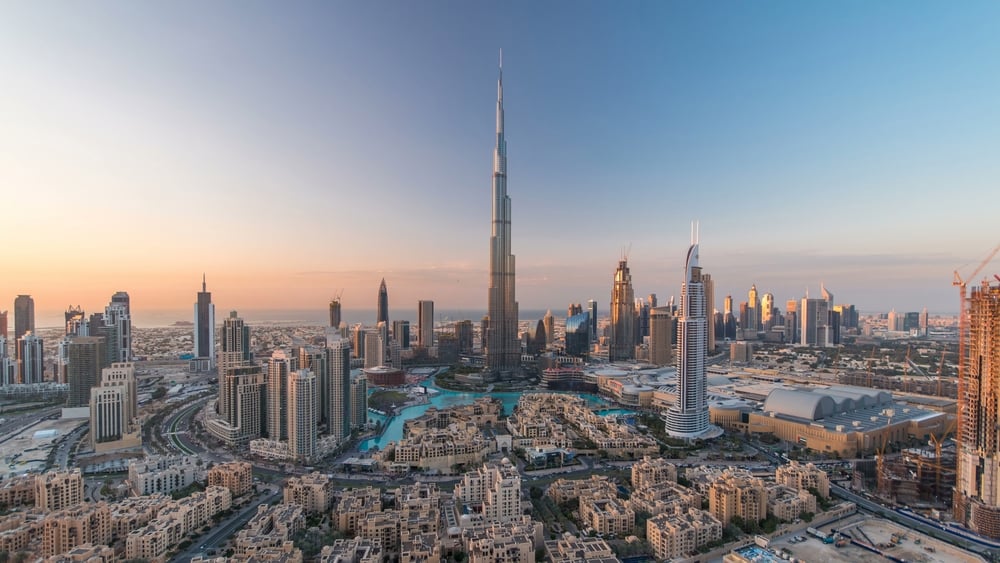
Excited by the prospect of buying property in Dubai? The star of the Middle East’s real estate market, this dazzling emirate is one of the world’s most exciting investment destinations. It is also an attractive place to own a holiday home or reside permanently, thanks to its luxury lifestyle, thriving expat community and low taxation.
Each link below takes you to a specific section or important stage of the Dubai purchase journey. If you’re only just starting your research or you’re ready to make an offer, you’ll find the relevant information to help you move forward with confidence.
Contents
Whatever your reason for purchasing in Dubai, start your journey by learning about the local market and how it operates. This top-level guide brings together the key steps and provides invaluable guidance for buying property in Dubai successfully – from finding the right neighbourhood or development and navigating the contracts and legal processes, to managing your investment and applying for a visa.
Can foreigners buy property in Dubai?
Yes, but location is everything. While UAE nationals can buy anywhere, international buyers are restricted to designated “freehold areas.”
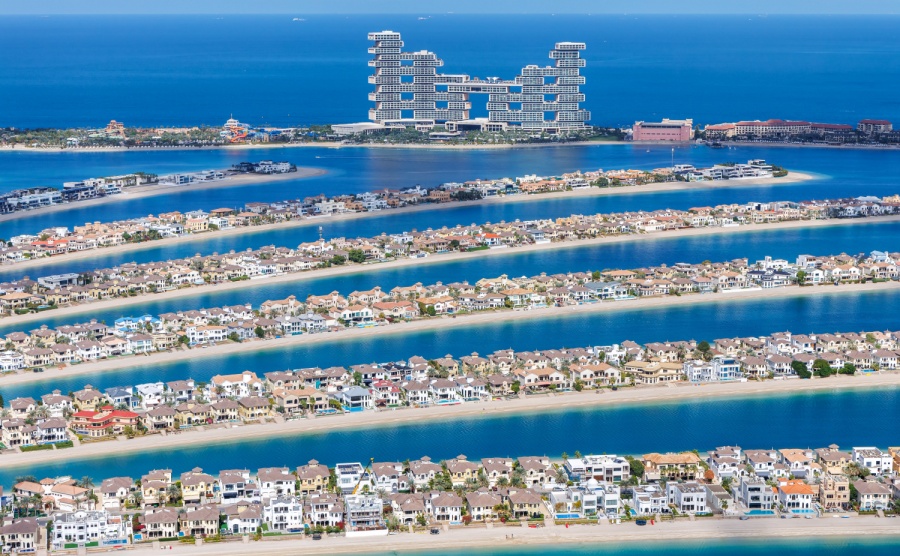
Fortunately, these areas include almost every location an international buyer would want to live in or invest in, such as Dubai Marina, Palm Jumeirah, Downtown Dubai, and Arabian Ranches.
In these zones, you have full ownership rights. You own the property and the land it stands on in perpetuity, with no age restrictions or requirements to hold a residency visa to purchase.
Freehold vs. Leasehold
It is worth noting that some areas offer leasehold ownership, typically for 99 years. While this might suit specific long-term commercial investors, we generally advise residential buyers to focus on freehold titles for simpler resale and inheritance planning.
The golden visa: 2026 Rules
The landscape for residency has shifted significantly in the buyer’s favour. The UAE golden visa is a renewable 10-year residency visa that covers you, your spouse, and your children.
Previously, there were strict rules regarding down payments that excluded many mortgage buyers. As of 2026, the key requirement is simple: you must own a property valued at AED 2m (£430,000) or more.
Crucially, you no longer need to pay a specific amount of equity upfront. You can qualify for the golden visa even if you take out a mortgage for the full allowable amount, provided the property’s value meets the AED 2m threshold. This change has made the visa accessible to a much wider demographic of investors.
For remote workers: The one-year digital nomad visa is an excellent option for those wanting to test the lifestyle before committing.
For retirees: If you are over 55, having equity in a property can also entitle you to a renewable 5-year retirement visa, provided you meet minimum income requirements.
Essential experts for buying in Dubai
An estate agent or developer (if buying direct), both of which should be registered with Dubai’s Real Estate Regulatory Authority (RERA), aren’t the only professionals you need. Your team for a successful purchase should include:
- An Independent Lawyer: It makes sense to appoint your lawyer early in the buying process. They can field any queries you have or check a reservation contract once you find a property. With foreign purchasers, it’s common to grant your lawyer power of attorney, so they can represent you on the ground in Dubai without you having to travel there.
- A Currency Specialist: We work closely with Smart Currency Exchange to help international buyers protect their budget from exchange rate volatility.
- A Mortgage Broker: If you require financing, a broker can navigate the specific eligibility rules for non-residents.
Financing and costs
Before you’ve found the right property, you need to be crystal clear about your budget and decide if you will purchase with a mortgage or not. Buying a home in Dubai involves more than just the purchase price – you’ll need to budget for roughly 6–7% on top of the purchase price to cover fees.
Mortgages and Deposits
Turning to mortgages, ensure your broker gets you a pre-approval letter as soon as possible. This is an official document issued by a bank that confirms you can get a mortgage in Dubai and outlines the maximum amount you can borrow.
Typically, the minimum deposit required by a non-UAE national is 20–25% of the purchase price (meaning you can obtain a 75–80% Loan-To-Value mortgage).
Off-Plan Payment Plans
Buying off-plan requires a different financial strategy. During the construction period, you could be required to pay anything between 50–80% of the purchase price in installments. The remainder will be due on completion.
Some developers offer deferred payments or “post-handover” payment plans, where you continue to pay off a portion of the property for several years after receiving the keys. It is worthwhile comparing these plans, as they can significantly aid cash flow.
Breakdown of Fees
The most significant cost is the Dubai Land Department (DLD) transfer fee. This is a government tax set at 4% of the property value. While the law states this can be split between buyer and seller, in practice, it is almost entirely paid by the buyer. Think of this as the equivalent of Stamp Duty, but at a flat rate.
You will also need to factor in the estate agent’s commission. This is standard across the emirate at 2% plus VAT. Finally, there is a registration trustee fee, which is an administrative cost paid to the office that processes your title deed.
| Fee Type | Cost | Notes |
|---|---|---|
| DLD Transfer Fee | 4% of purchase price | Paid to the Dubai Land Department. |
| Agency Fee | 2% + VAT | Standard broker commission. |
| Trustee Office Fee | AED 4,000 (£860) | Admin fee for title deed processing. |
| NOC Fee | AED 500–5,000 | Paid to the developer for clearance. |
Note: If buying with a mortgage, allow for an additional 1% in bank arrangement and valuation fees.
It’s never too soon to think about how you will transfer funds to Dubai to pay for your property. Here at Your Overseas Home, we work closely with Smart Currency Exchange, a currency exchange specialist with decades of experience helping international property-buyers get the best value and peace of mind with cross-border payments. As a client, your dedicated account manager will talk through your buying plans in Dubai, get to understand your profile and currency requirements, and match you with suitable payment solutions.
Mortgages are widely available from local Dubai banks for US, UK and other international buyers. The process and eligibility can vary from bank to bank. For this reason, it makes sense to apply through a qualified mortgage broker. Again, speak to them early to get an indication of what you can borrow.
The buying process explained
Understanding the legal process is essential for avoiding costly mistakes and moving forward with confidence. While the system is relatively straightforward and transparent, it is rigid. In Dubai, all property transactions are regulated by the Real Estate Regulatory Authority (RERA), part of the DLD.
Buying a Resale Property
Once you have had an offer accepted and agreed terms with the vendor, the process typically follows these steps:
- Form A & Form B: These contracts formally appoint your agent. Ensure they are RERA-registered.
- Form F (MOU): This is the Memorandum of Understanding between buyer and seller. At this stage, you typically pay a 10% deposit. This is usually held by the broker as a cheque, which is returned to you upon completion so you can pay via manager’s cheque or bank transfer.
- No Objection Certificate (NOC): The developer must issue an NOC to confirm the seller has paid all service charges and there are no outstanding debts on the unit.
- The Transfer: Both parties (or their lawyers) meet at a DLD trustee office. The balance is paid, usually via a manager’s cheque or bank transfer, and the title deed is issued in the new owner’s name immediately.
Buying Off-Plan
The process differs slightly when purchasing a property under construction. After signing the sales contract with the developer, you should receive a preliminary registration certificate called an ‘Oqood’ (Arabic for ‘contract’) from the DLD. When your property is completed and you’ve paid the full balance, the Oqood is converted into a full Title Deed.
Currency: The Dollar Peg risk
If your funds are in pounds, buying in Dubai carries a specific currency risk that differs from buying in France or Spain.
The UAE Dirham (AED) is pegged to the US Dollar. This means the price of your property in pounds is dictated by the GBP/USD exchange rate. If the pound weakens against the dollar, your property in Dubai becomes more expensive, even if the local asking price hasn’t changed.
For example, on a property worth AED 2m, a small fluctuation in the exchange rate could increase the cost to you by £10,000 or more overnight. We strongly recommend using a Forward Contract to fix your exchange rate when you sign the MOU (Form F). This protects your budget during the weeks before completion.
Next steps
Now that you understand how to buy property in Dubai, you’re well placed to begin your journey with confidence. Whether you’re still researching or ready to take action, we’re here to help you every step of the way.
- [Download our Dubai Buying Guide] for a comprehensive breakdown of the legal process.
- [Read our Digital Nomad Visa Guide] if you plan to work remotely from the UAE.
- [Register for a Forward Contract] to protect your budget from exchange rate volatility.
Summary
Dubai remains one of the most dynamic property markets in the world. The rental yields—often ranging between 5% and 8%—continue to outperform London and many European capitals.
However, the market moves quickly. The “relaxed” pace of life found in the Mediterranean does not apply to Dubai’s property transaction process. Have your finances in place, secure your currency rate, and ensure your broker is RERA registered.
Start by downloading your free Dubai Buying Guide. It’s packed with up-to-date advice on the buying process, legal requirements, and what to expect at each stage – ideal whether you’re buying now or planning for the future.
If you’re ready to take the next step, you can book a free consultation with one of our property specialists. They’ll listen to your plans, help you understand your options and connect you with trusted professionals on the ground in Dubai – from estate agents and mortgage brokers to currency experts and legal advisors.
Wherever you are in your buying journey, Your Overseas Home is here to support you from search to sale – and beyond.
Buying in Dubai – FAQs
Yes, non-UAE citizens can buy freehold property in Dubai but only in special Freehold Areas designated by the government. Most of Dubai’s new developments and central neighbourhoods (Marina, Downtown, Palm Jumeirah) fall within these areas.
In addition to the agreed purchase price, buyers typically pay 6–7% to cover fees and taxes (chiefly the 4% DLD fee and 2% agency fee). Buying with a mortgage typically attracts another 1%.
Yes, mortgages are available from local and international banks. Non-resident investors typically need a higher deposit (20-25%) compared to residents, but financing is accessible.
Taxation is famously low. Dubai levies no income, capital gains, or inheritance tax on individuals. However, there is a 5% VAT on goods and services, and a 5% municipality fee on rental income (usually collected via utility bills).