

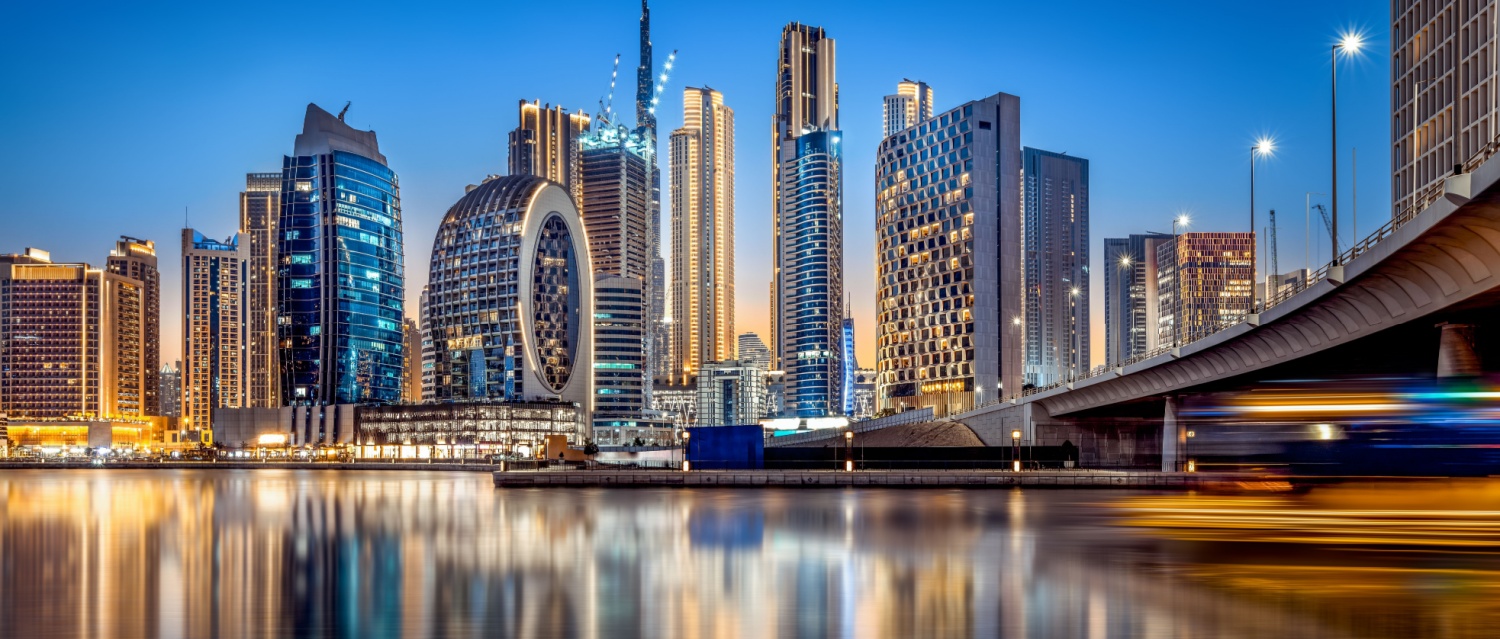
If you’ve visited Dubai on holiday and found yourself wondering what it would be like to own a place there, you’re not alone. British buyers now make up around 20% of foreign property transactions in the emirate – the largest international group – and interest continues to grow.
The appeal is easy to understand. Dubai offers freehold ownership, no annual property tax and a genuine route to long-term residency if you invest at the right level. It also helps that 90% of the population are international residents, so you won’t feel like an outsider.
But buying property in Dubai works differently from the UK. The process is relatively straightforward once you understand it, though there are a few things worth knowing before you start your search.
Dubai property at a glance
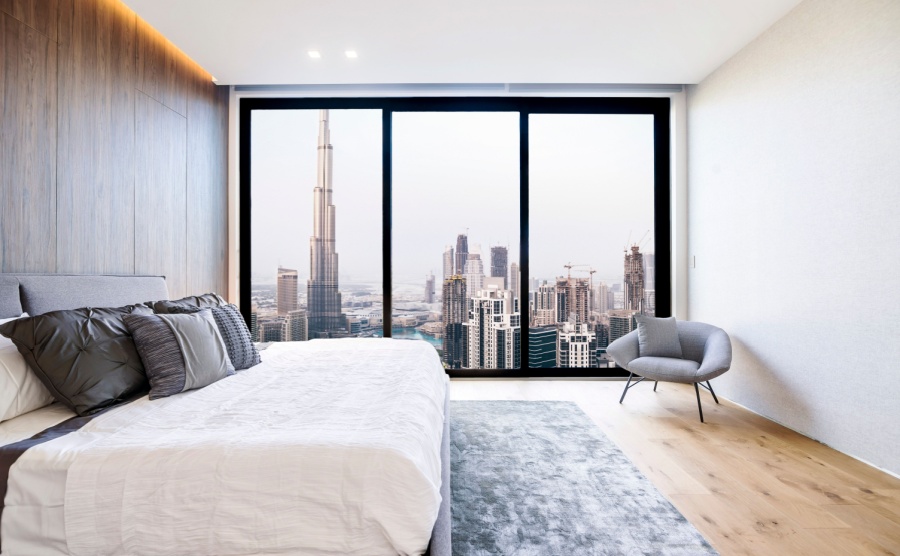
Foreigners can buy freehold property in more than 40 designated areas across Dubai, including Dubai Marina, Downtown Dubai and Palm Jumeirah. There is no annual property tax. Buying costs total around 7–8% of the purchase price, including a 4% Dubai Land Department (DLD) registration fee. Property worth AED 2m (£430,000) or more qualifies for a 10-year golden visa.
Table of contents
- Dubai property at a glance
- Can foreigners buy property in Dubai?
- Where can you buy – freehold areas explained
- Dubai property prices in 2026
- The rental market and yields
- Off-plan vs ready property
- Visas through property investment
- Costs of buying property in Dubai
- What should I do next?
- Summary
- Frequently Asked Questions
Can foreigners buy property in Dubai?
Yes – and the process is more straightforward than you might expect. You don’t need to be a UAE resident, you don’t need a visa, and you don’t need a local sponsor. If you have the funds and find a property you like in a designated freehold area, you can buy it.
Freehold ownership means you hold full title to the property and the land beneath it. You can sell it, rent it out or pass it to your children – there are no restrictions. Your purchase gets registered with the Dubai Land Department, which issues a title deed in your name.
Most buyers pay in cash – around 87% of transactions – though mortgages are available to non-residents from UAE banks if you prefer to finance. Rates currently sit between 4% and 5.5%.
Where can you buy – freehold areas explained
Here’s the one catch: you can only buy in designated freehold areas. The good news is there are now more than 40 of these zones, covering most of the locations you’ll have heard of.
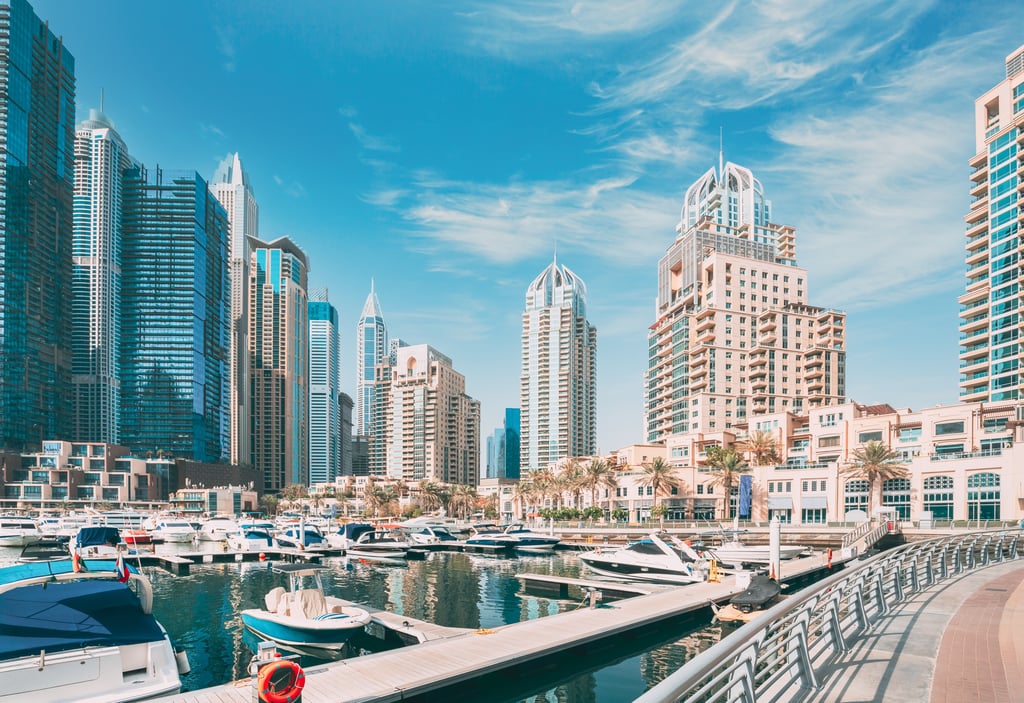
Dubai Marina is popular with younger buyers and investors – it’s a forest of waterfront towers with strong rental demand. Downtown Dubai gives you the Burj Khalifa views and a premium address, though you’ll pay for it. Palm Jumeirah remains the aspirational choice for waterfront villas and apartments.
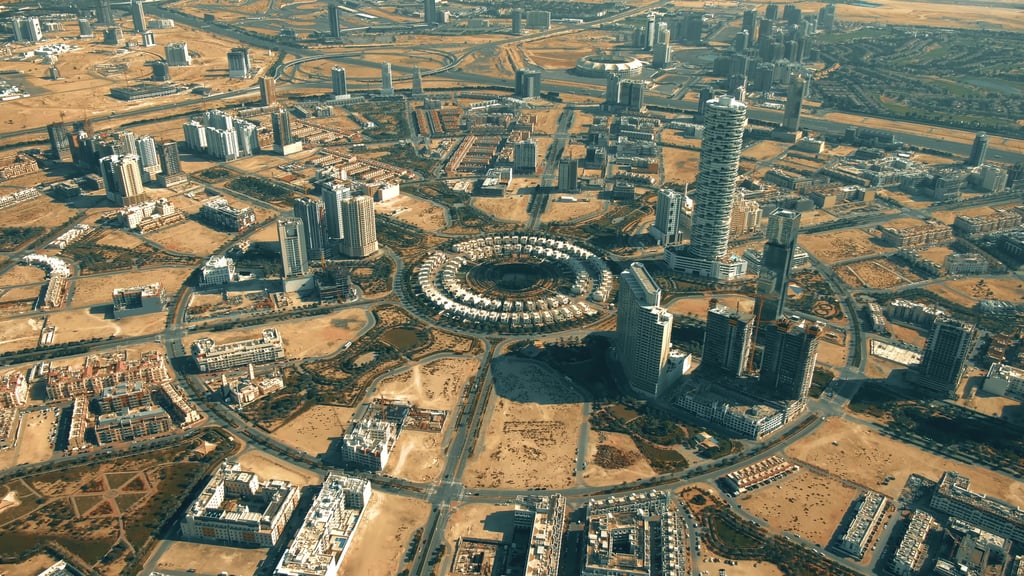
If you’re budget-conscious, Jumeirah Village Circle (JVC) offers more space for your money and some of the best rental yields in the city. Business Bay sits next to Downtown at lower prices, while Dubai Hills Estate and Arabian Ranches attract families looking for villas with gardens and community facilities.
In early 2025, the government announced that Al Jaddaf and parts of Sheikh Zayed Road would convert to freehold – a sign that foreign ownership zones continue to expand.
Some areas remain off-limits, including older neighbourhoods like Deira and Al Karama. If you’re unsure whether a property is in a freehold zone, any reputable agent will be able to confirm before you commit.
For guidance on choosing the right area, see our article on where to buy property in Dubai.
Dubai property prices in 2026
Dubai property prices rose consistently through 2025. According to Property Monitor, average values increased from AED 1,484 to AED 1,676 per square foot over the year – a rise of around 13%.
The market is now entering a more balanced phase. Analysts expect price growth to moderate to 5–8% in 2026, with around 120,000 new units scheduled for delivery. Prime areas like Downtown and Palm Jumeirah are likely to hold steady, while high-supply communities such as JVC may see softer growth.
Indicative price ranges (2026):
| Property type | Entry-level | Mid-range | Prime |
|---|---|---|---|
| Studio apartment | AED 500,000 (£108,000) | AED 800,000 (£172,000) | AED 1.5m (£323,000) |
| One-bedroom apartment | AED 750,000 (£162,000) | AED 1.2m (£258,000) | AED 2.5m (£538,000) |
| Three-bedroom villa | AED 2m (£430,000) | AED 4m (£860,000) | AED 10m+ (£2.15m+) |
British buyers often find that their budget stretches further in Dubai than in comparable global cities. A one-bedroom apartment in Dubai Marina, for example, typically costs less than an equivalent property in central London.
The rental market and yields
If you’re buying as an investment, the numbers can be attractive. Gross rental yields in Dubai typically range from 5% to 9% depending on area – considerably higher than most European cities.
JVC and Dubai Silicon Oasis lead the pack at 7–9%, largely because purchase prices are lower while rental demand stays strong. Dubai Marina and Business Bay sit around 6–7%. Prime addresses like Downtown and Palm Jumeirah offer lower yields (5–6%) but tend to hold their value better over time.
The rental market itself remains tight. Rents in affordable areas rose by more than 20% during 2025, driven by population growth and limited supply. That’s good news if you’re a landlord, though it does mean the buy-to-let sums need careful checking – service charges can eat into returns.
For a deeper look at the investment case, our guide to buying in Dubai covers what you need to know.
Off-plan vs ready property
Around 70% of sales in Dubai are off-plan – meaning buyers purchase before construction is complete. Developers offer payment plans that spread the cost, often 10–20% upfront with the balance paid in instalments during construction or on handover.
This makes entry more accessible, and there’s potential for capital growth if the market rises before completion. You also get first pick of units and floor plans.
The trade-off? You’re committing to something that doesn’t exist yet. Construction delays happen, and the finished product doesn’t always match the marketing renders. Many buyers also prefer to see exactly what they’re getting before signing.
If you go off-plan, your payments are protected by escrow laws – developers can’t touch your money until they hit construction milestones. The system has been regulated since 2007 and works well, but it’s still worth choosing established developers with a track record of delivery.
Ready properties cost more per square foot, but you can inspect before you buy, rent out immediately and avoid the waiting game.
Visas through property investment
One of Dubai’s biggest draws is the link between property and residency. Buy at the right level and you qualify for a long-term visa – no employer needed.
The headline option is the golden visa. Invest AED 2m (£430,000) or more in property and you’re eligible for a 10-year renewable residence permit. You can live, work and study in Dubai, and sponsor your spouse and children to join you. The property can be ready or off-plan, and mortgaged properties count provided you can show AED 2m has been paid.
If that’s beyond your budget, the investor visa offers a two-year permit for property worth AED 750,000 (£160,000) or more. It’s a useful stepping stone if you want to test life in Dubai before committing further.
Both visas are self-sponsored, which means you’re not tied to an employer. For a full breakdown of the options, see our guide to Dubai visa options.
Costs of buying property in Dubai
There’s no annual property tax in Dubai, no stamp duty and no capital gains tax for individuals. That’s a big part of the appeal. But there are upfront costs when you buy.
The main expense is the Dubai Land Department registration fee – 4% of the purchase price. On top of that, you’ll typically pay 2% agency commission, plus admin fees for the trustee office and developer NOC (No Objection Certificate). Budget around 7–8% in total if you’re paying cash, or 8–9% if you’re taking a mortgage.
Once you own the property, ongoing costs include service charges (paid to the building or community) and a 5% housing fee based on annual rental value, collected through your utility bills. Service charges vary widely – a tower in Marina might charge AED 15–20 per square foot annually, while a villa community could be lower.
If you’re transferring funds from the UK, it’s worth using a specialist currency provider rather than your bank. The exchange rate difference on a large purchase can easily run into thousands of pounds.
What should I do next?
If you’re serious about buying, the best first step is to get clear on what you want. Are you looking for rental income? A golden visa? Somewhere to spend winters? A combination of all three? The answer will shape where and what you buy.
From there, it’s worth browsing Dubai properties for sale to get a feel for what your budget will achieve. Prices vary enormously by area, so this helps set realistic expectations.
When you’re ready to take things further, our property consultants can connect you with trusted agents, lawyers and mortgage brokers who specialise in helping British buyers.
Many people find a viewing trip invaluable. British citizens get a 90-day tourist visa on arrival, which gives you time to explore different areas, view properties and meet local experts face to face. There’s no substitute for walking the streets and getting a feel for where you’d actually want to be.
Summary
Dubai offers British buyers something unusual: full freehold ownership in more than 40 designated areas, no annual property tax and a clear route to residency through the golden visa. The market recorded its strongest year ever in 2025, though growth is expected to moderate in 2026 as more supply enters.
Rental yields remain attractive at 5–9% depending on area, and buying costs total around 7–8% upfront. For those investing AED 2m (£430,000) or more, a 10-year residence visa comes as part of the package.
Frequently Asked Questions
Yes. You can buy freehold property in any designated area without needing a visa or residency. If you spend AED 2m (£430,000) or more, you’ll also qualify for a 10-year golden visa.
No annual property tax, stamp duty or capital gains tax. You pay a one-off 4% registration fee when you buy, plus a small housing fee through your utility bills.
AED 2m (£430,000) in property. It can be one property or several, ready or off-plan, and mortgaged properties count as long as you’ve paid AED 2m.
Unlikely. Analysts expect growth to slow to 5–8% rather than reverse. Prime areas should hold value, though some high-supply communities may see flatter prices.
It depends what you’re after. JVC and Dubai Marina offer strong yields. Downtown and Palm Jumeirah suit those wanting a premium address. Dubai Hills and Arabian Ranches work well for families.
Yes. UAE banks lend to non-residents, typically up to 75% of the property value. Rates currently sit between 4% and 5.5%.