

Find out where to buy property in Umbria, Tuscany’s more affordable neighbour. Discover the benefits of owning a home there and steps to making your property purchase a success
Umbria is known as “The Green Heart of Italy” and consists of only two provinces, Perugia and Terni. It is nestled amongst the Apennine Mountains and is the only Italian region that borders neither sea nor another country.
That might give you a clue to its appeal. It’s very Italian.
Umbria is a popular region for international buyers priced out of the more accessible parts of Tuscany or the Lakes, but don’t think that you are compromising in any way, or getting anything less beautiful. A-listers such as Ed Sheeran have bought homes here.
It has exciting cities such as Perugia, picture-perfect towns like Assisi and so many gorgeous villages. There are lakes, forests, plains and mountains in Umbria, and even a bit of skiing.
Contents
Why buy property in Umbria?
Better value than Tuscany without compromising beauty
Umbria offers far better value than Tuscany while still delivering the landscapes, stone farmhouses and medieval towns buyers dream of. Many overseas buyers find they can afford larger homes, more land or better views here without compromising on beauty or character.
Authentic Italian lifestyle with less tourism
If you’re the kind of person who never wants to hear another English or American accent while in Italy – Umbria is an excellent place to hide out! Towns feel genuinely lived-in, with year-round communities, traditional festivals and a slower pace of daily life that appeals strongly to those seeking immersion rather than crowds.
The region is steeped in history and culture, with numerous medieval towns, ancient ruins and historical landmarks. Cities like Perugia and Assisi offer a glimpse into Italy’s rich past, which can be very appealing to history enthusiasts.
Excellent accessibility without overdevelopment
Despite its peaceful atmosphere, Umbria remains highly accessible. It sits between Rome and Florence, close to major motorways and rail lines, yet avoids the overdevelopment seen in other parts of central Italy. Buyers benefit from convenience without losing the rural charm they came for.
Strong rental appeal in key areas
Rental appeal is strong in key areas such as Assisi, Perugia, Orvieto and the towns around Lake Trasimeno. These destinations attract consistent visitor numbers, giving holiday-let owners dependable occupancy and the potential for blended lifestyle-and-investment use.
High quality of life at lower cost
Overall, the high quality of life in Umbria comes at a lower cost. Everyday living, dining out, property taxes and even renovation expenses are generally cheaper than in Italy’s more famous regions, allowing buyers to enjoy a comfortable, relaxed lifestyle with more financial freedom.
Umbria’s property market
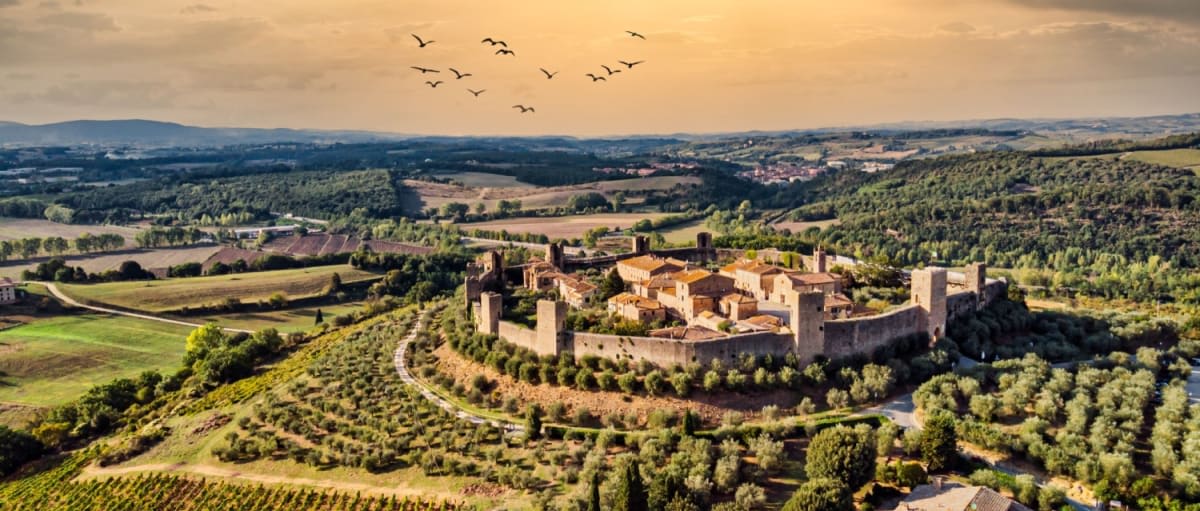
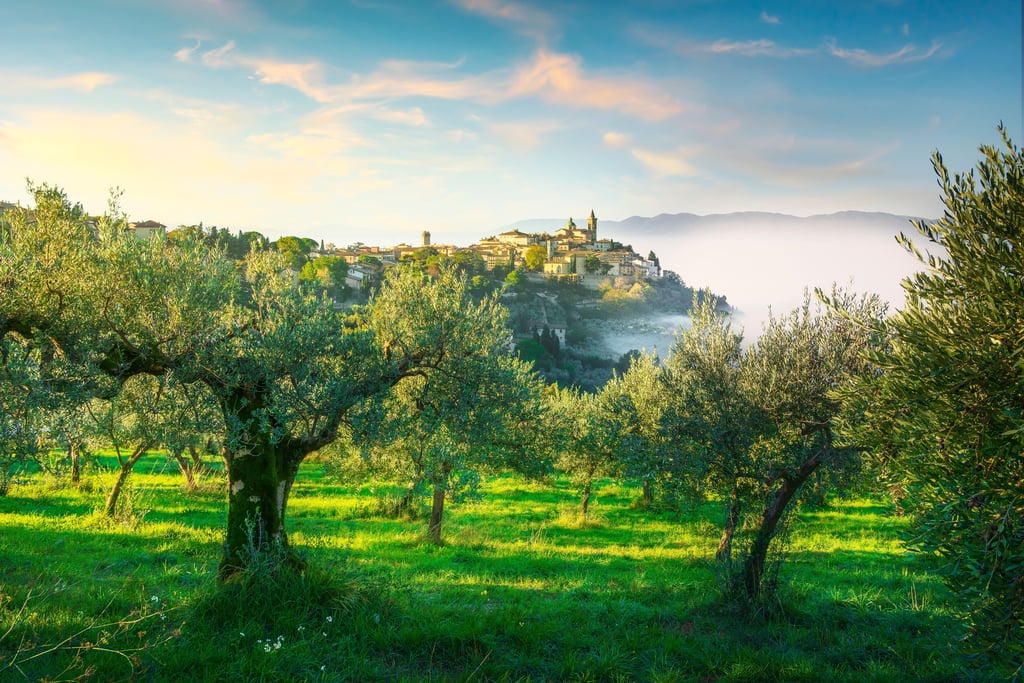
There are many medieval towns, built on hilltops for defence, surrounded by endless green fields with vineyards, olive groves, woods, lakes. These include Todi, Orvieto, Assisi, Spello and Montefalco – all picture perfect and with all the services you could want on the doorstep.
Prices in Umbria are typically lower in the southwestern part of Umbria, the province of Terni. Here you will pay around €1,000 per square metre of average. This section includes Narni, Amelia and Orvieto.
The northern province of Umbria is called Perugia, where the average price is €1,250 per square metre.
Prices in both provinces have been rising steadily since 2023 but are still below where they were a few years ago.
As people have moved to the cities, there is plenty of property for sale, with any number of properties needing renovation. You can still find houses costing less than €50,000, and they tend to be stone built with loads of character and spectacular views. There are even townhouses with impressive frescoes on the ceilings and beautiful stone fireplaces. In the countryside you’ll find large farmhouses with outbuildings starting from around €150,000.
The luxury property market in Umbria
As you might guess from a region that attracts stars like Ed Sheeran and Colin Firth, Umbria has plenty of options for high-end homes.
For a price from €1.5million you can buy an Umbrian country estate with land, or a large home with a frontage onto Lake Trasimeno. This is a rural region, where you can enjoy all the rural pleasures such as horse riding, viniculture or olive growing.
The expensive homes will generally be older, restored properties, but there are some relatively newly built too. You can also buy some seriously grand apartments in the historic parts of cities such as Perugia.
Where to buy property in Umbria
Perugia
Town houses in pretty hilltop villages and farmhouses surrounded by beautiful countryside make for very relaxing holidays. The holiday homes available around the Perugia province are full of character stone features and the area is authentic Italian. It’s even possible to buy apartments within large country houses with communal pools and gardens.
Being close to Tuscany and on a train line between Florence and Rome, this part of Umbria is becoming increasingly popular and yet property prices are still very reasonable. Around the lake you can find beaches, swimming pools, tennis courts and even a golf course.
Spoleto
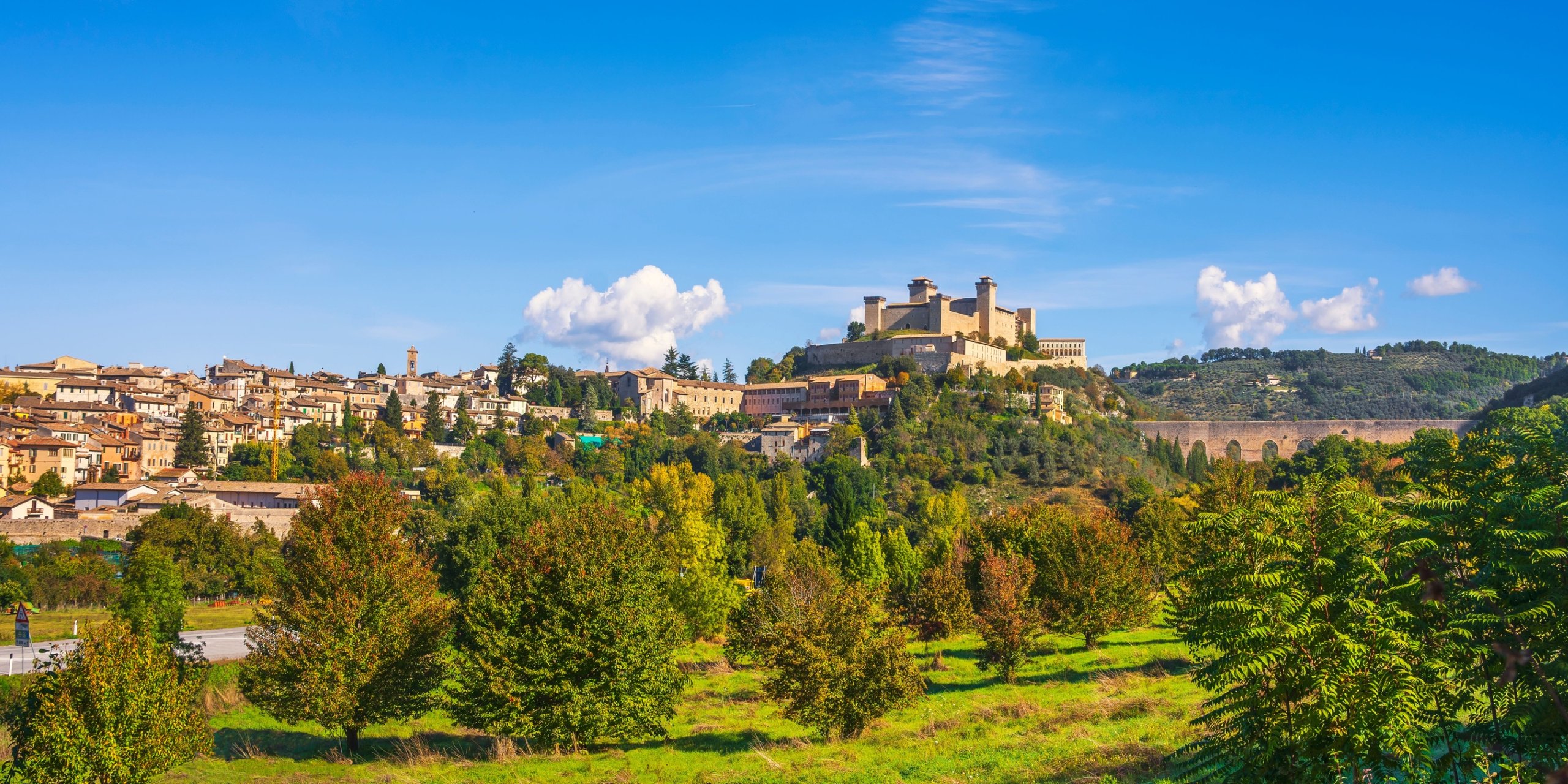
Spoleto is in our cover image, above, and if you’re looking to live in the heart of the countryside, buying a house in the Umbria’s countryside is sure to please. Having plenty of space with no near neighbours allows you to relax and not worry about how much noise the kids are making.
An area you might choose is around Spoleto, with its medieval fortress and Romanesque cathedral. Kids and adults will enjoy visiting the castle, La Rocca, with its amazing views across the Umbrian countryside and the Roman aqueduct. You don’t even have to worry about walking uphill because, at the base of Spoleto, there are free elevators and moving pathways to take you up to the old town.
Piazza del Mercato is a great place to relax at one of the many bars, cafes or restaurants, and has a great local atmosphere. From the piazza, the ancient Roman arch, Arco di Druso e Germanico, is only a short walk away. If you want a longer stroll, then follow one of the footpaths into the hills opposite the town to get great views looking back at the castle. In the surrounding countryside, there are also mountains, valleys, oak forests, sunflowers and waterfalls to discover.
Gubbio
Gubbio is a medieval town with architecture from many periods of history. The cathedral boasts 16th-century paintings and a Baroque chapel, while the civic museum is located within a Gothic palace with crenelations and arched windows. In addition, there are also the remains of a Roman theatre.
The Roman theatre was completed by the magistrate Gnaeus Satrio Rufus around 20 BC. It was built with large limestone blocks worked in rustic ashlar, which is stone blocks that sit tight together, while the face is chipped rustically textured.
Gubbio has a population of around 33,000 and has everything you need for year-round living. Located in the far northeast of the province of Perugia, Gubbio is nestled on the lower slope of Mount Ingino. There are three scenic road routes from Umbria airport to Gubbio, the quickest takes just 35 minutes. Gubbio is also an hour from Ancona airport and the sea.
Castiglione del Lago
Castiglione del Lago is a 45-minute drive from Umbria airport and has over 15,000 inhabitants. The town is built on a limestone spur that plunges directly into Lake Trasimeno, forming a small peninsula. It is considered the most important village overlooking Lake Trasimeno and is listed as one of “the most beautiful villages in Italy”.
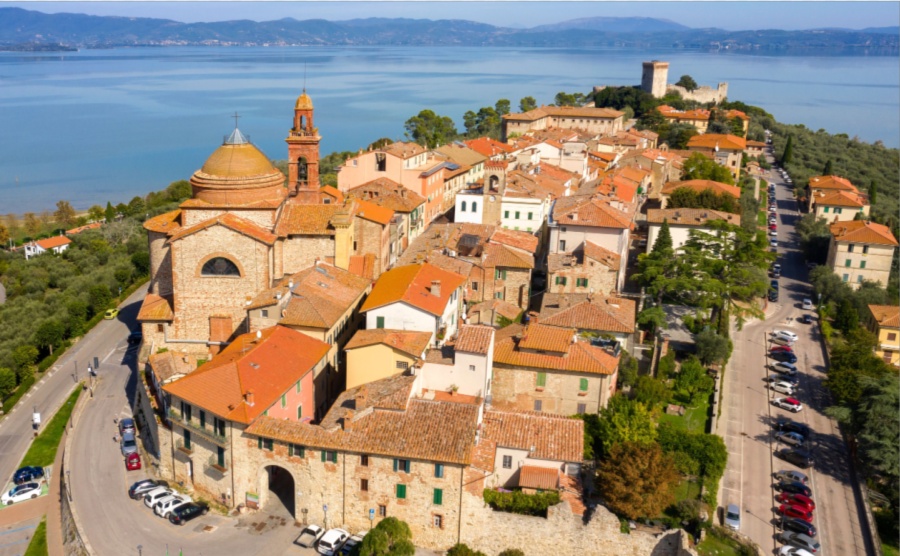
Castiglione del Lago has a beautiful lakeside promenade full of bars and restaurants and a green park. The historic centre is at the upper part of the town, accessed through gateways in the medieval walls.
Once inside the walls, a walk along Via Vittorio Emanuele, passes restaurants, and shops where you can taste and buy typical products. A highlight of the year is the Tulip Festival in April, when floats completely covered in tulips can be seen parading through the streets.
If you are looking for a farmhouse, this is great place to look. Your Overseas Home currently have some beautiful examples of farmhouses for sale near Castiglione del Lago. As well as large individual properties, some have been split into smaller units with shared pools and gardens. This makes them ideal as a holiday home.
Is buying a property in Umbria a good investment?
Umbria has seen a steady increase in property values over the past two years, although it is generally more affordable than neighbouring Tuscany. Moreover, like most of Italy, prices in Umbria are still by recent historical standards.
Umbria is not the most touristy region but there is certainly potential for rental income. But the cost of living in Umbria is relatively low and long-term rents will reflect that. It also makes it a good option for anyone retiring to Italy on a lowish income.
Steps to buying in Umbria
Buying a property in Umbria involves several steps, but with careful planning and the right support, it can be a smooth process.
- Define your requirements: Determine what you want in terms of property type, size, location, and budget. Consider your must-have features and nice-to-haves (aka, things you could do without).
- Research and planning: Gather information about the property market in Umbria, including prices, popular areas, and legal requirements. Visit the region to get a feel for different locations.
- Engage professionals: Work with a local estate agent, an independent property lawyer, and a currency specialist to navigate the buying process.
- Book a viewing trip: Arrange viewings of potential properties with your estate agent. Take notes and photos to help you compare options.
- Make an offer: Once you find a property you like, make an offer through your estate agent. Your lawyer will handle the legal and due diligence processes.
- Sign the preliminary contract: Sign the preliminary contract (contratto preliminarie) and pay a deposit (caparra) (usually 10%) to secure the property. The preliminary contract outlines the terms of the sale.
- Finalise financing: Arrange your codice fiscale and financing, whether through a mortgage or other means. Ensure you have funds available for the final payment.
- Sign the final contract: The final contract (rogito) is signed in the presence of a notary. Pay the remaining balance and any associated fees.
- Register the property: Your notary or lawyer will register the property with the Land Registry to ensure it is in your name.
- Move in: Once the registration is complete, you can move into your new home in Umbria and start enjoying the Umbrian lifestyle.
Buying property in Umbria FAQs
Yes. Umbria offers traditional stone homes, quiet hill towns and better value than Tuscany. Buyers choose it for its scenery, slower pace of life and strong rental appeal in areas like Perugia, Todi and Orvieto.
Generally, yes. Prices are lower than in neighbouring Tuscany, especially outside major tourist centres. Restorable farmhouses and village homes often provide excellent value for overseas buyers.
Most foreign buyers can purchase freely. The process is straightforward, but it’s important to use an independent lawyer and understand local contracts, taxes and due-diligence checks before signing anything.
Budget for taxes, notary fees, legal fees, agency commission and survey costs. In total, allow around 10–15% of the purchase price to cover buying expenses.
Rental demand is steady, especially around Assisi, Perugia and Lake Trasimeno. Buyers often secure good yields from holiday lets, provided the property has outdoor space, views and proximity to key towns. Ensure you know rental rules in Italy before depending on this income though.