
Properties for sale in Spain
Showing 61–80 of 84,695
Villa in Los Montesinos
Los Montesinos, Valencia
Luxury Corner Villa with Private Pool and Panoramic Solarium in Los Montesinos Modern Mediterranean Living on a Prime Corner PlotThis modern corner villa in Los Montesinos offers a strong combination of contemporary design, private outdoor living and excellent comfort. Built in 2021, the property is located in Residencial Loma de la Laguna – Resort II and sits on a private plot of 201.43 m2 with 132 m2 of built area.The home features 3 bedrooms and 3 en-suite bathrooms, plus a separate guest toilet. One bedroom with en-suite bathroom is located on the ground floor, making the property practical for guests or permanent living. The other two bedrooms are located on the first floor, both with their own private en-suite bathrooms.The bright open-plan living and dining area connects seamlessly to the modern kitchen, while large sliding doors bring in natural light and provide direct access to the terrace and private pool area.Private Pool Spacious Solarium and Contemporary Design in Costa Blanca SouthThe outdoor space is one of the main strengths of this property. The villa includes a private swimming pool of approximately 15.50 m2 with a waterfall feature, generous tiled terraces, private parking on the plot and an electric gate with remote control.The large private solarium offers panoramic open views over the surrounding residential area and green zones. It is an ideal space for sunbathing, outdoor dining, a lounge area or future outdoor kitchen installation.The property is sold fully furnished and includes air conditioning, a smart home/domotics system, alarm system, separate camera system, aluminium window frames, electric shutters, double glazing, solar water heating, built-in wardrobes, LED lighting, storage space under the staircase and a separate laundry/utility area.Key Features3 Bedrooms 3 En-Suite Bathrooms Separate Guest Toilet 132 m2 Built Area 201.43 m2 Plot Built in 2021 Corner Plot Private Swimming Pool Approx. 15.50 m2 Large Private Rooftop Solarium Panoramic Open Views Private Parking on the Plot Electric Gate with Remote Control Modern Open-Plan Kitchen Air Conditioning Domotics / Smart Home System Alarm System and Separate Camera System Electric Shutters Double Glazing Solar Water Heating System Fully Furnished Storage Room Laundry RoomThis is a well-presented modern resale property offering privacy, outdoor space and a high level of finish in a contemporary residential setting close to daily amenities, golf courses and the beaches of the Costa Blanca South.
Apartment in Estepona
Estepona, Costa del Sol
New Build Apartments with Sea Views next to Selwo Park, Estepona Modern homes in a privileged natural setting Located in the exclusive Selwo area, between Estepona and San Pedro de Alcántara, this new residential development on the Costa del Sol sits on a hill offering unrivalled panoramic views of the Mediterranean Sea, the mountains and the natural surroundings. Facing southwest, all homes enjoy natural light throughout the day and spectacular sunsets. Contemporary architecture and high-quality design This project consists of 50 two- and three-bedroom apartments, designed in a modern and elegant architectural style. The homes stand out for their large windows, sunny terraces and top-quality finishes. Key features include: Fitted kitchens with appliances included Fully installed ducted air conditioning Electric blinds in bedrooms Parking space and storage room included Customisation options to suit every lifestyle Premium services for a comfortable and active lifestyle The complex offers a full range of facilities designed for the comfort and well-being of its residents: Communal swimming pool for adults Fully equipped gym Communal room and co-working space Bicycle parking Unrivalled natural surroundings next to Selwo Aventura One of the most exclusive features of this development is its location next to Selwo Aventura park, a unique natural space on the Costa del Sol that is home to more than 1,000 animals roaming free. This setting guarantees unobstructed views and a direct connection with nature. Excellent connectivity and proximity to the main points of interest Nearest beach: 1 km Selwo Aventura Park: 500 m Puerto Banús (Marbella): 13 km Estepona town centre: 9 km Malaga Airport: 71 km Gibraltar Airport: 49 km La Resina Golf: 2 km Los Flamingos Golf: 5 km Valle Romano Golf: 10 km Experience the authentic Mediterranean lifestyle in Estepona This residential development offers the perfect balance between nature, comfort and proximity to the best amenities on the Costa del Sol. Ideal as a primary residence, second home or investment. Contact us today for more information or to arrange a viewing of your future home in Estepona. 1023
Apartment in La Cala De Mijas
La Cala De Mijas, Mijas Costa
Luxurious Living Redefined on the Costa del Sol A Prestigious Residential Project in Mijas Welcome to an exclusive new construction development that epitomizes luxury living on the Costa del Sol. Nestled between the charming towns of Mijas, Benalmádena, and Fuengirola, this community offers a unique blend of modern elegance, tranquil surroundings, and breathtaking views. A Variety of Homes to Suit Your Lifestyle This exceptional project features 23 independent villas and 41 apartments, each thoughtfully designed to blend seamlessly with the stunning natural landscape. Choose from: Villas: Spacious layouts with 4, 5, or 6 bedrooms, private pools, lush gardens, and options for one or two floors above ground level. Each villa includes an underground space for added functionality. Apartments: Stylish 2 or 3-bedroom units, ranging from ground-floor residences with gardens to middle-floor options with large terraces and duplex penthouses boasting expansive, open terraces. Exceptional Amenities for Resort-Style Living Residents enjoy a wealth of high-end amenities designed for comfort and convenience, including: Sweeping sea and mountain views from private terraces. Italian designer kitchens, underfloor heating, and smart home systems. A stunning infinity pool, fully-equipped fitness center, and outdoor gym. A clubhouse, co-working spaces, playgrounds, and beautifully landscaped gardens. Prime Location with Easy Access to Key Destinations This development combines the serenity of mountain living with proximity to essential points of interest: Pristine Beaches: Just 4 km away. Malaga Airport: 25 km for effortless travel. Golf Courses: Within a 10 km radius, perfect for enthusiasts. Shopping and Entertainment: A short drive to major shopping centers and vibrant local markets. Ports and Marinas: Approximately 10 km to the closest marina for leisurely seaside activities. An Idyllic Setting with Year-Round Appeal Set against a backdrop of rolling hills and verdant forests, this community offers panoramic views of the Mediterranean coastline and the picturesque Sierra de Mijas mountains. The ever-changing colors of the sky create a captivating experience, making every moment at home truly magical. Invest in Your Dream Home Today Whether you're seeking a primary residence, vacation home, or investment opportunity, this development delivers unmatched value and potential. Don't miss the chance to own a piece of paradise on the Costa del Sol. Contact us now to schedule a viewing and take the first step toward your dream lifestyle. 1023
Villa in Dehesa de Campoamor
Dehesa de Campoamor, Orihuela
Bedrooms: 4, Bathrooms: 2, Villa in Orihuela Costa, Alicante, Spain
Apartment in Dehesa de Campoamor
Dehesa de Campoamor, Orihuela
Bedrooms: 2, Bathrooms: 1, Apartment in Orihuela Costa, Alicante, Spain
Apartment in Playa Flamenca
Playa Flamenca, Valencia
SOUTH-FACING 2 BEDROOM, 2 BATHROOM APARTMENT WITH PARKING & COMMUNAL POOL – PLAYA FLAMENCAWe are delighted to present this spacious two-bedroom, two-bathroom second-floor apartment, ideally located within the sought-after Jumilla III community in the Playa Flamenca/La Florida area of Orihuela Costa.Situated within a gated residential community, the property offers a fantastic combination of comfort, convenience and outdoor living, making it an ideal choice as a permanent home, holiday property or investment.The apartment is south-facing and benefits from a private balcony, perfect for enjoying the Spanish sunshine and relaxing outdoors.Inside, the property offers a bright and comfortable living space, with air conditioning, a fully equipped kitchen and two good-sized bedrooms. The master bedroom benefits from its own en-suite bathroom, with a further family bathroom serving the second bedroom and living areas.One of the property’s key advantages is its private underground parking space, providing secure and convenient parking – particularly valuable for both permanent residents and those using the property as a holiday home.Residents also have access to the attractive communal swimming pool, which is just a short walk from the apartment.Property features include:* South-facing second-floor apartment* Two bedrooms* Two bathrooms* Master bedroom with en-suite* Private balcony* Communal swimming pool* Lift access* Air conditioning* Fully equipped kitchen* Double-glazed windows* Private parking space* Gated residential community* Walking distance to local bars and restaurants* Close to the beaches of Playa Flamenca, La Zenia and Campoamor* Convenient access to shops, restaurants, golf courses and all the amenities of Orihuela CostaThe location is particularly convenient, with the local bars and restaurants of La Florida within walking distance, while the beautiful beaches of Playa Flamenca, La Zenia and Campoamor are just a short drive away. Several popular golf courses, including Villamartín, Las Ramblas and Campoamor, are also easily accessible. (Tate House)Whether you’re looking for a lock-up-and-leave holiday home, a permanent residence in Spain or an investment opportunity, this apartment offers a fantastic base on the Costa Blanca in a popular and established location.Early viewing is highly recommended.
Villa in Ciudad Quesada
Ciudad Quesada, Rojales
Impressive detached villa situated in Ciudad Quesada, set on a generous 1,075 m2 private plot and offering excellent outdoor spaces, a 50 m2 private swimming pool, a large basement with an independent apartment, garage and plenty of parking. The main house is accessed through a welcoming covered porch leading into an attractive entrance hall. From here, there is access to the spacious kitchen and dining area, which connects directly to a beautiful south-facing glazed terrace / winter garden, creating a bright and comfortable space to enjoy throughout the year. The main floor offers three bedrooms and three bathrooms, as well as a spacious living room with direct access to the large terrace. The master bedroom features its own en-suite bathroom, extensive fitted wardrobes and direct access to the terrace. There is also a guest bedroom with its own bathroom, while the third bedroom also benefits from direct terrace access. One of the highlights of the property is its large, partially covered terrace, accessible from several rooms and offering plenty of space for outdoor dining, relaxing and enjoying the Mediterranean climate. The basement incorporates an independent apartment with its own private entrance, ideal for guests, extended family or additional accommodation. It includes a bathroom, living room, bedroom, study and storage area. Outside, the impressive plot has been designed to make the most of Mediterranean outdoor living. It features a 50 m2 private swimming pool with outdoor shower, a covered jacuzzi, and a dedicated barbecue and summer kitchen area with covered space. The property also benefits from a covered garage and additional parking space for several vehicles within the plot. The villa is equipped with solar panels, helping to improve energy efficiency and reduce electricity consumption. Located in the popular area of Ciudad Quesada, just 2 km from La Marquesa Golf Course, this spacious and versatile villa is ideal as a permanent residence or a comfortable Mediterranean family home on the Costa Blanca.
Apartment in Dehesa de Campoamor
Dehesa de Campoamor, Orihuela
Ground-floor flat with gardens and direct access to the swimming pool – Vistabella Golf Discover this charming ground-floor flat situated within the prestigious Vistabella Golf complex, in a pleasant, leafy residential setting. Very well maintained and sold fully furnished with high-quality furniture, this property offers spacious interiors as well as generous outdoor areas, which are particularly ideal for enjoying the Mediterranean climate. A prime outdoor setting Set on a 200 m2 plot, the flat benefits from several carefully landscaped outdoor areas: Private parking at the entrance to the property Front garden Landscaped rear garden Rear garden opening directly onto the communal green spaces Direct access to the communal swimming pool from the garden Automatic watering system 16 m2 terrace fitted with a Cortina awning Electric awning The outdoor layout thus offers various spaces to relax, enjoy al fresco dining or simply appreciate the peace and quiet of the surrounding greenery. A comfortable interior The flat offers approximately 80 m2 of living space and comprises: 2 bedrooms 2 bathrooms A living room with open-plan kitchen Central air conditioning New water heater Excellent energy efficiency The property is sold furnished, allowing you to move in immediately without the need for major renovation work. An ideal property in Vistabella Golf Thanks to its ground-floor location, private gardens, close proximity to the communal swimming pool and its amenities, this flat is a delightful property, whether as a main or second home, or simply to enjoy a stay in Spain. A property well worth discovering to fully appreciate its surroundings, outdoor spaces and the quality of its fittings. Contact our agency for further information or to arrange a viewing. Translated with DeepL.com (free version)
Apartment in Alicante
Alicante, Costa Blanca
Looking for a modern apartment on the Costa Blanca where you can enjoy yourself while having everything within easy reach?This apartment in Campoamor is located on the 3rd floor and offers views towards the pool and the sea.🏡 Completed in 2024 🛏️ 2 bedrooms 🚿 2 bathrooms (one en-suite) 🌊 Sea view 🏖️ Just 800 meters from the sea 🏊 Communal outdoor pool (230 m2) 💦 Indoor pool & jacuzzi 🏋️ Gym ☀️ Communal solarium with sun loungers and kitchen 🧸 Children's playground 🚗 Private parking space 📦 Private storage unit (12 m2)A modern apartment where comfort meets the Spanish outdoor lifestyle. Ideal as a holiday home, permanent residence, or investment on the Costa Blanca.
Villa in Villamartin
Villamartin, Orihuela
Situated in the sought-after Las Ramblas Golf Resort, this beautifully positioned 3-bedroom, 2-bathroom villa with an additional guest toilet offers the perfect combination of privacy, sunshine and resort living.The south-facing orientation ensures plenty of natural light throughout the day, while the private swimming pool and outdoor spaces provide an ideal setting for relaxing, entertaining and enjoying the Mediterranean lifestyle.Inside, the villa offers spacious and comfortable living areas, with three well-proportioned bedrooms and two bathrooms, making it an excellent choice as a permanent residence, holiday home or investment property.With the golf course, local amenities and the beautiful Orihuela Costa coastline all within easy reach, this is a fantastic opportunity to own a home in one of the area's most desirable golf communities.A private pool, south-facing orientation, three bedrooms and an enviable golf resort location — this villa offers everything needed to enjoy life in the Spanish sunshine.
Apartment in Guardamar del Segura
Guardamar del Segura, Costa Blanca
Apartment for sale in Guardamar del Segura, located in a building constructed in 2018, approximately 1.5 km from the sea. The property has 2 bedrooms and 2 bathrooms, with a comfortable and functional layout, ideal for both year-round living and enjoying a second home. The property includes a communal swimming pool and a parking space included in the price, offering greater convenience for daily life. It is located in an area with all the necessary services nearby: supermarkets, shops, restaurants, cafés, and other establishments. An excellent option for those looking for a modern home, with a pool and parking, close to the sea in Guardamar del Segura.
Penthouse in Guardamar del Segura
Guardamar del Segura, Costa Blanca
Discover this stunning penthouse located in the exclusive Guardamar Playa area, just 20 meters from the sea. With a floor area of 123 m2 and a spectacular 141 m2 south-facing terrace, this property offers unbeatable views that will captivate you from the very first moment. It features three spacious double bedrooms and two full bathrooms, one of which is en suite in the master bedroom, ensuring comfort for the whole family or your guests. Both the bedrooms and bathrooms all face outward, offering sea views, and are very bright thanks to the home’s south-facing orientation throughout. In addition, it features excellent amenities such as a communal infinity pool on the top floor of the building with breathtaking views of the Mediterranean Sea and a spacious parking space in the same building with elevator access directly to the apartment. The apartment is sold furnished and features air conditioning and ducted heating in every room. The location is ideal: you have easy access to local buses, as well as major shopping centers and renowned schools nearby—not to mention the hospitals also located close by for your peace of mind. This penthouse is an excellent opportunity whether you’re looking for a permanent home by the sea or an exclusive vacation retreat where you can enjoy the Mediterranean sun all year round.
Villa in Ciudad Quesada
Ciudad Quesada, Rojales
This is a beautiful property located in one of the most sought-after areas of Ciudad Quesada, this exceptional detached villa offers space, privacy, and luxury living on an impressive 900m2 plot with a total build size of 247m2.The main residence features 3 spacious bedrooms and 2 modern bathrooms, complemented by a brand new contemporary kitchen finished to a high standard. The property boasts central heating and air conditioning throughout, ensuring year-round comfort.A standout feature is the bright and airy living space, including a large lounge with a striking feature ceiling and a separate dining room—perfect for entertaining or relaxing in style.Downstairs, you’ll find a self-contained apartment, ideal for guests, extended family, or rental potential, offering excellent versatility.Outside, the villa truly comes into its own:Beautiful swimming pool with integrated jacuzziFully equipped outdoor kitchen and bar area with bathroomPrivate garageCharming putting green for golf loversGenerous outdoor space for enjoying the Costa Blanca lifestyleThe property is offered part furnished, making it ready to move into with ease.This is a rare opportunity to own a high-quality, spacious villa in Ciudad Quesada, close to all amenities, golf courses, and just a short drive to the beaches.
Villa in Cabo Roig
Cabo Roig, Valencia
Exceptional Private Villa with Guest Residence on 1,217m2 Plot in Lomas de Cabo RoigSet within the prestigious and highly sought-after enclave of Lomas de Cabo Roig, this outstanding private estate offers a rare combination of space, privacy, and refined modern living—seldom found in this area.Occupying an expansive 1,217m2 plot, the property comprises a beautifully renovated main villa and a fully independent guest residence, both finished to impeccable standards throughout.The main villa features three elegant bedrooms and two contemporary bathrooms, designed with comfort and sophistication in mind. A spacious, light-filled lounge with a feature fireplace creates a warm yet stylish living environment, while the independent kitchen offers both practicality and modern design. Premium upgrades include triple glazing, integrated air conditioning, and automatic shutters, ensuring optimal comfort, efficiency, and security year-round.Complementing the main residence is a stunning guest house, thoughtfully redesigned to mirror the same high-quality finish. This self-contained space offers open-plan living at its finest, with a generous lounge and kitchen area, a sleek modern bathroom, and a large master bedroom. Ideal for hosting guests in complete privacy, accommodating extended family, or generating rental income, this additional residence significantly enhances the property’s versatility and value.The outdoor areas are equally impressive. The substantial plot provides a true sense of exclusivity, featuring a private swimming pool and extensive grounds with endless potential for outdoor living, entertaining, or further landscaping enhancements.Properties offering this level of space, dual living accommodation, and turnkey condition are exceptionally rare in this location. Combining contemporary luxury with investment potential, this is a unique opportunity to secure a standout home in one of the Costa Blanca’s most desirable residential areas.
Villa in Pamis
Pamis, Valencia
Luxurious modern villa with 11,000 m2 of land. Built in 2023 to high quality standards, this exclusive villa is located in the peaceful Orba Valley and offers panoramic 360° views of the surrounding mountains, including the Sierra de Segaria and Montgó. The villa has a spacious living and dining room with an open-plan kitchen and cooking island. The kitchen is equipped with luxury Bosch appliances and adjoins a practical laundry room. There are also three double bedrooms and two bathrooms. Adjacent to the living room is a spacious covered terrace directly adjacent to the heated swimming pool (10 x 4 m), where you can enjoy complete privacy. The 2,000 m2 plot is fully fenced and planted with orange, mandarin, lemon and grapefruit trees. There is also ample parking space with room for two cars under a canopy. The villa also has a 9,000 m2 orange orchard, which is maintained and harvested free of charge by a cooperative. In front of the house is also a large flat plot of land of 3,300 m2, which can be purchased separately. Ideal for those seeking for some extra land for their animals. The villa is equipped with air conditioning, electric shutters, an automatic gate and a comprehensive alarm system with smart cameras. If desired, there is the possibility to further expand the villa with additional rooms (more information on request). The La Marina shopping centre in Ondara and the motorway entrance are only a 5-minute drive away. The extensive sandy beach of Denia is 12 minutes away, and the idyllic bays of both Jávea and Moraira can be reached in half an hour. The ideal villa for those seeking peace, nature and space, a short distance from all amenities.
Apartment in Torrevieja
Torrevieja, Costa Blanca
Exclusive apartments after major repairs just 100 meters from Playa del Cura — Torrevieja ?? Magnificent apartments for sale after complete major repairs, located in one of the most prestigious locations in Torrevieja — only 30 meters from Playa del Cura. The main advantages of this property are a separate private entrance, a huge terrace of 33 m2, 3-meter high ceilings, and premium quality renovations using materials and equipment from renowned European manufacturers. ? Key Features: * Total area: 123 m2 * Spacious private terrace: 33 m2 * 2 bedrooms * 2 bathrooms * Ground floor (planta baja) * Separate private entrance * Ceiling height: 3 meters * Pool in the complex * Heating/cooling air conditioning * Distance to Playa del Cura: only 100 m ✨ Premium level major repairs The apartments have been fully updated using modern construction technologies, high-quality materials, and equipment from leading manufacturers. Renovation and equipment features: * Panoramic windows in the living room with direct access to the spacious terrace. * Kömmerling windows and double-glazed units throughout the apartment. * Reinforced front door for additional security. * Modern interior doors with magnetic locks. * Bosch appliances. * Grohe sanitary ware. * Interior partitions made of Ytong gas concrete blocks. * Air conditioning with cooling and heating modes. * High three-meter ceilings creating a sense of additional space. The apartment is sold with Bosch appliances. ? Huge terrace and private entrance Particular attention should be paid to the spacious terrace of 33 m2, accessible directly from the living room through large panoramic windows. There is enough space to set up an outdoor dining area, place garden furniture, and create a cozy relaxation space. The presence of a separate private entrance provides additional convenience and privacy. The residential complex also has a swimming pool. ? Exceptional location — 100 meters from the beach The apartments are located just a few steps from Playa del Cura, close to the promenade, restaurants, cafes, shops, and all necessary urban infrastructure. Opposite the property, there is a plot where, according to the information provided, the city council has already approved the creation of a future park area. This will be an additional advantage of the location after the project's implementation. ? Additional option: there is an opportunity to purchase a parking space for an additional fee. Parking is not included in the price of the apartment. ? Unique offer by the sea: 123 m2 total area, 33 m2 terrace, private entrance, three-meter ceilings, major repairs using Kömmerling, Bosch, and Grohe, pool, and only 30 meters to Playa del Cura!
Apartment in Torrevieja
Torrevieja, Costa Blanca
Bedrooms: 1, Bathrooms: 1, Studio in Torrevieja, Alicante, Spain
Apartment in Lo Pagan
Lo Pagan, San Pedro del Pinatar
Discover this attractive, refurbished flat situated in the sought-after area of La Puntica, in Lo Pagan. With a floor area of 64 m2 and a west-facing aspect, this bright home offers a cosy atmosphere to enjoy all year round. It features two bedrooms that ensure comfort and versatility to suit your needs. It also boasts a well-equipped full bathroom. The property stands out for its prime location just 50 metres from the Mediterranean Sea, offering easy access to the beautiful local beaches. In the surrounding area, you’ll find a range of amenities, including nearby buses to make your daily commute easier; shopping centres ideal for shopping without having to travel far; schools providing education close by for both children and teenagers; as well as play areas perfect for the little ones. This charming apartment is entirely south-facing, allowing you to make the most of natural light throughout the day thanks to its optimal orientation and modern facilities following a recent refurbishment.
House in Lo Pagan
Lo Pagan, San Pedro del Pinatar
With a floor area of 46 m2 and a spacious patio offering the perfect spot to enjoy the outdoors ☀️, this property is ideal for those seeking comfort and proximity to the beach ?️. The home features two cosy double bedrooms ?, perfect for hosting guests or creating your own personal sanctuary. It also has a full bathroom ? and faces south-east, ensuring plenty of natural light throughout the day ✨. With extras such as a reinforced door ?, a private terrace where you can relax ? and pleasant views ? thanks to the surrounding trees; here you’ll find peace and quiet without sacrificing urban conveniences: nearby buses ?, shopping centres ?️ and schools ? are right at your fingertips ? Don’t miss out! This move-in-ready bungalow has everything you need to start a new life by the sea ?.
Apartment in Torrevieja
Torrevieja, Costa Blanca
Are you looking for a spacious, renovated home near the sea in Torrevieja? This property combines three features that buyers are increasingly seeking: space, location, and comfort. Located in the Acequión area, just 250 meters from the beach, this apartment offers 105 m2 of usable area and 112 m2 of built area, distributed across 3 bedrooms and 2 bathrooms. The property has been renovated, is situated on the first floor, and features an elevator, a communal pool, and a southwest-facing orientation. WHY THIS PROPERTY? ? Just 250 m from Acequión Beach ? 105 m2 usable area ?️ 3 bedrooms ? 2 bathrooms ? Communal pool ? Elevator ☀️ Southwest-facing ✨ Renovated home A home designed for those who want to enjoy Torrevieja year-round, own a second home by the Mediterranean, or simply live near the beach without compromising on space. Its location allows for easy access to beaches, restaurants, shops, services, and the center of Torrevieja. ? DO YOU NEED FINANCING? At EmbassyMyHome, we can also help you explore mortgage financing options, for both resident and non-resident buyers. ? WANT TO VISIT? Contact EmbassyMyHome, and we will help you arrange a viewing. Price: €229,900 Taxes, purchase costs, and financing not included.
Spain
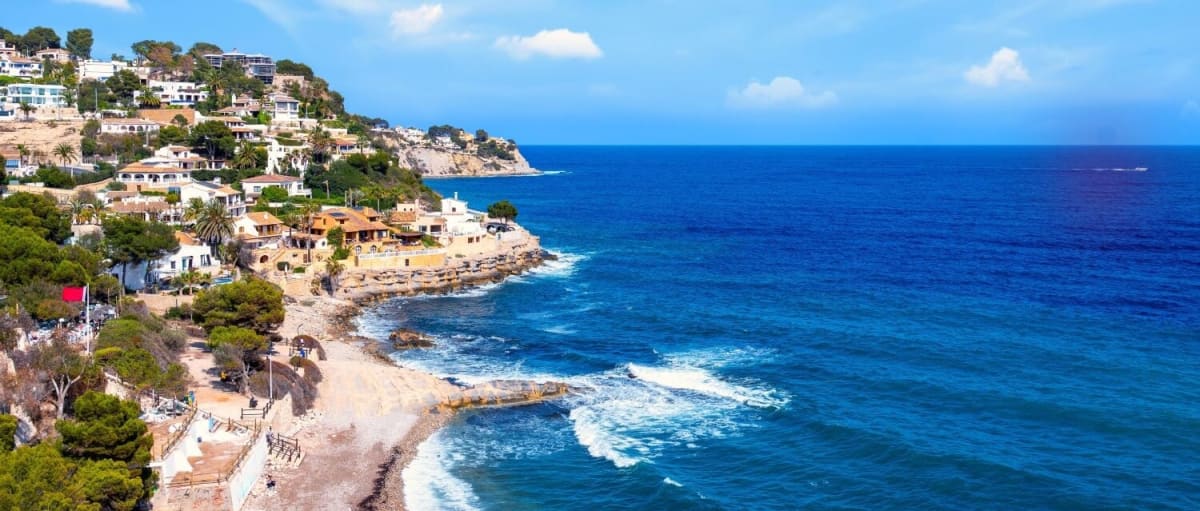
Property for sale in Spain runs from coastal apartments to inland village houses, and the gap between the two is wider than most buyers expect. Prices run from around €40,000 (£35,000) to over €2m, with more than 1,000 homes under €100,000.
More than half the stock sits in Comunitat Valenciana and Andalusia. Use the filters to narrow by region, price and property type.
Get your exclusive Viewing Trip Guide

Plan the perfect trip
- Shortlist the right properties
- Get expert local guidance
- Seamless coordination
Why buy property in Spain
Spain carries more overseas-buyer stock than any other market we cover, and the range is unusually wide. Prices run from around €40,000 in inland villages to over €2m on the Costa del Sol, with more than 1,000 homes under €100,000. The Costa Blanca and Costa del Sol take most enquiries. The Canaries hold a genuine year-round climate, the Costa Brava sits within reach of Barcelona, and Murcia and Almería remain the least expensive coastline on the mainland. Transfer tax is set regionally at roughly 6% to 10%, so where you buy affects the total as much as what you buy.
Frequently asked questions about buying property in Spain
What is the average price of an apartment in Spain?
For more information on how to buy in Spain download our guide.
What is the average price of 2 - 3 bedroom property in Spain?
What is the price difference between 2 and 3 bedroom properties in Spain?
How many properties under €100,000 are there in Spain?
What can I buy in Spain for my budget of €100,000?
What can I buy in Spain for my budget of €300,000?
What can I buy in Spain for my budget of €500,000?
How many properties have a pool in Spain?
Can foreigners buy property in Spain?
Yes—foreigners can buy property in Spain, including as non-residents. The process is the same as for locals, but you’ll typically need an NIE (Número de Identidad de Extranjero), a Spanish bank account for payments, and clear proof of funds for anti-money-laundering checks. The purchase completes when the title deed (escritura) is signed in front of a Spanish Notary (Notario) and then registered at the Land Registry (Registro de la Propiedad). For some properties (e.g., in rare designated security zones), additional authorisations may apply—your lawyer can confirm during due diligence.
We recommend consulting with a local lawyer to understand any restrictions that may apply to your situation.
What taxes and fees should I budget for when buying property in Spain?
Costs depend on whether the home is resale or new build and the region. Resales usually involve ITP (transfer tax) set by the autonomous community; new builds often involve VAT/IVA plus AJD (stamp duty) (the Canary Islands use IGIC instead of IVA for many items). In addition, budget for Notary fees, Land Registry fees, legal conveyancing, and translations if needed.
After purchase, typical ongoing costs include IBI (property tax), community fees (if applicable), utilities, and non-resident tax obligations if you don’t live in Spain full-time.