
Properties for sale in Spain
Showing 68021–68040 of 68,044
Spain
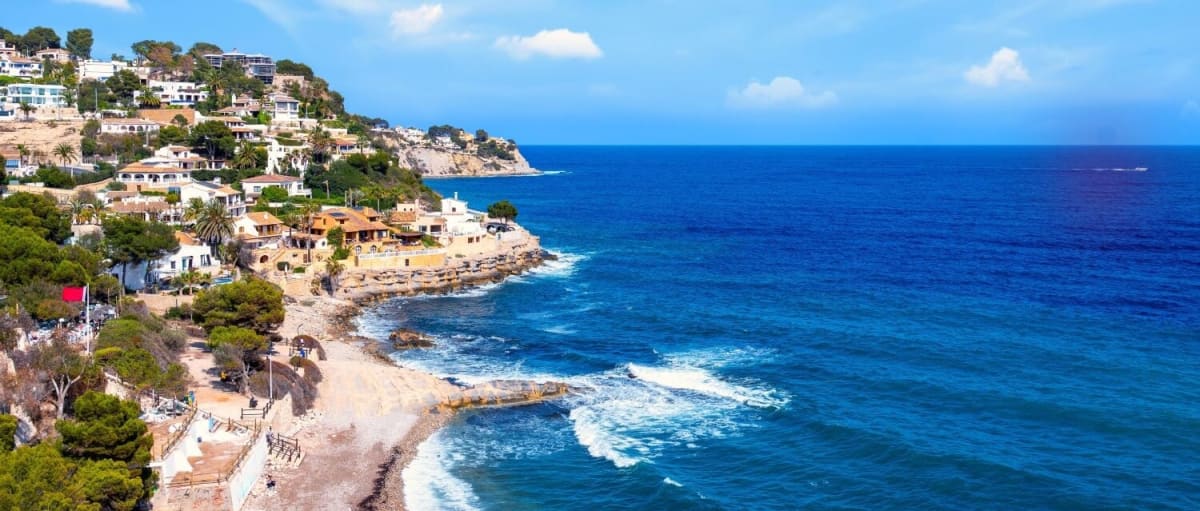
Find properties for sale in Spain with Your Overseas Home. Apartments in cities and coastal regions often start from around €120,000 to €300,000, while villas on the Costa del Sol, Costa Blanca, or Balearic Islands typically range from €300,000 to over €2M. With a choice of city apartments, golf villas, and beachside homes, Spain remains Europe’s most popular destination for overseas buyers.
Get your exclusive Viewing Trip Guide
Plan the perfect trip
- Shortlist the right properties
- Get expert local guidance
- Seamless coordination
Frequently asked questions about buying property in Spain
What is the property buying process in Spain?
A typical Spain purchase follows:
(1) offer accepted,
(2) reservation agreement and deposit,
(3) legal due diligence (Land Registry checks via nota simple, debts, planning/licences, community fees),
(4) private contract (often “arras”) with a larger deposit,
(5) completion at the Notary where funds are transferred and the escritura is signed, and
(6) registration at the Registro de la Propiedad.
You should avoid paying significant deposits before a lawyer confirms title, charges, and planning status—especially for rural homes or properties with extensions.
Download Spain Buying Guide to learn more about the process from start to finish.
Can foreigners buy property in Spain?
Yes—foreigners can buy property in Spain, including as non-residents. The process is the same as for locals, but you’ll typically need an NIE (Número de Identidad de Extranjero), a Spanish bank account for payments, and clear proof of funds for anti-money-laundering checks. The purchase completes when the title deed (escritura) is signed in front of a Spanish Notary (Notario) and then registered at the Land Registry (Registro de la Propiedad). For some properties (e.g., in rare designated security zones), additional authorisations may apply—your lawyer can confirm during due diligence.
We recommend consulting with a local lawyer to understand any restrictions that may apply to your situation.
What taxes and fees should I budget for when buying property in Spain?
Costs depend on whether the home is resale or new build and the region. Resales usually involve ITP (transfer tax) set by the autonomous community; new builds often involve VAT/IVA plus AJD (stamp duty) (the Canary Islands use IGIC instead of IVA for many items). In addition, budget for Notary fees, Land Registry fees, legal conveyancing, and translations if needed.
After purchase, typical ongoing costs include IBI (property tax), community fees (if applicable), utilities, and non-resident tax obligations if you don’t live in Spain full-time.
Can non-residents get a mortgage in Spain?
Often yes—many Spanish banks lend to non-residents, typically based on income, age, credit profile, and the property valuation. Non-resident mortgages commonly require more documentation (proof of income, tax returns, bank statements, ID) and may offer a lower loan-to-value than resident mortgages.
Expect the bank to commission an official valuation and to review the property’s legal status before final approval. If speed matters, get a mortgage assessment early and coordinate timelines with your lawyer so the financing conditions match the purchase contract dates.
We recommend speaking with a mortgage broker to understand the application process and get access to the latest mortgage deals in Spain.