
Properties for sale in Portugal
Showing 701–720 of 6,480
House in Portimao
Portimao, Portimao
Two-bedroom apartment with balconies, located in Zenith Residences at Quinta da Malata in Portimão—a contemporary development designed with a special focus on comfort, energy efficiency, and sustainability in the Algarve. The interior layout emphasizes spacious and bright rooms, featuring an open-concept living area where the living room and kitchen flow seamlessly into one another. The direct access to the balcony naturally extends this space outdoors, creating an additional area to enjoy the Algarve’s mild climate. The kitchen features a contemporary design, with Corian countertops and Bosch or Siemens appliances, combining functionality with materials selected for comfortable everyday use. The private area is separated from the living area and includes two suites, both with walk-in closets and plenty of natural light. The balconies attached to the bedrooms reinforce the connection to the outdoors and provide greater spaciousness and comfort to the private spaces. The apartment also features private underground parking, with infrastructure ready for electric vehicles. On the shared rooftop of Zenith Residences, residents enjoy a 60 m2 pool, a sun deck, green spaces, and panoramic views—a space designed for leisure and socializing. The location in Quinta da Malata combines a residential setting with easy access to Portimão’s main attractions. The iconic Praia da Rocha beach is just 2.5 km away, while Portimão’s waterfront area is a little over 1 km away, making it easy to enjoy the city’s cuisine, leisure activities, and unique atmosphere. Regional transportation links are equally convenient: the train station is less than 2 km away, and access to the A22 highway is approximately 7 km away, ensuring efficient connections to other towns in the Algarve and the rest of the country. With two suites, balconies, parking, and access to the rooftop pool, this two-bedroom apartment combines functionality, comfort, and a convenient location for living or investing in the Algarve. CHARACTERISTICS:Area: 98 m2 | 1 056 sq ftBedrooms: 2Bathrooms: 3Garage: 1Energy efficiency: A+FEATURES:2 bedrooms Fully equipped kitchen Balconies Garage Rooftop Swimming pool Sun deck Internationally awarded, LUXIMOS Christie's presents more than 1,200 properties for sale in Portugal, offering an excellent service in real estate brokerage. LUXIMOS Christie's is the exclusive affiliate of Christie´s International Real Estate (1350 offices in 46 countries) for the Algarve, Porto and North of Portugal, and provides its services to homeowners who are selling their properties, and to national and international buyers, who wish to buy real estate in Portugal. Our selection includes modern and contemporary properties, near the sea or by theriver, in Foz do Douro, in Porto, Boavista, Matosinhos, Vilamoura, Tavira, Ria Formosa, Lagos, Almancil, Vale do Lobo, Quinta do Lago, near the golf courses or the marina. LIc AMI 9063
House in Portimao
Portimao, Portimao
Two-bedroom apartment with balconies, located in Zenith Residences at Quinta da Malata in Portimão—a contemporary development designed with a special focus on comfort, energy efficiency, and sustainability in the Algarve. The interior layout emphasizes spacious and bright rooms, featuring an open-concept living area where the living room and kitchen flow seamlessly into one another. The direct access to the balcony naturally extends this space outdoors, creating an additional area to enjoy the Algarve’s mild climate. The kitchen features a contemporary design, with Corian countertops and Bosch or Siemens appliances, combining functionality with materials selected for comfortable everyday use. The private area is separated from the living area and includes two suites, both with walk-in closets and plenty of natural light. The balconies attached to the bedrooms reinforce the connection to the outdoors and provide greater spaciousness and comfort to the private spaces. The apartment also features private underground parking, with infrastructure ready for electric vehicles. On the shared rooftop of Zenith Residences, residents enjoy a 60 m2 pool, a sun deck, green spaces, and panoramic views—a space designed for leisure and socializing. The location in Quinta da Malata combines a residential setting with easy access to Portimão’s main attractions. The iconic Praia da Rocha beach is just 2.5 km away, while Portimão’s waterfront area is a little over 1 km away, making it easy to enjoy the city’s cuisine, leisure activities, and unique atmosphere. Regional transportation links are equally convenient: the train station is less than 2 km away, and access to the A22 highway is approximately 7 km away, ensuring efficient connections to other towns in the Algarve and the rest of the country. With two suites, balconies, parking, and access to the rooftop pool, this two-bedroom apartment combines functionality, comfort, and a convenient location for living or investing in the Algarve. CHARACTERISTICS:Area: 88 m2 | 950 sq ftBedrooms: 2Bathrooms: 3Garage: 1Energy efficiency: A+FEATURES:2 bedrooms Fully equipped kitchen Balconies Garage Rooftop Swimming pool Sun deck Internationally awarded, LUXIMOS Christie's presents more than 1,200 properties for sale in Portugal, offering an excellent service in real estate brokerage. LUXIMOS Christie's is the exclusive affiliate of Christie´s International Real Estate (1350 offices in 46 countries) for the Algarve, Porto and North of Portugal, and provides its services to homeowners who are selling their properties, and to national and international buyers, who wish to buy real estate in Portugal. Our selection includes modern and contemporary properties, near the sea or by theriver, in Foz do Douro, in Porto, Boavista, Matosinhos, Vilamoura, Tavira, Ria Formosa, Lagos, Almancil, Vale do Lobo, Quinta do Lago, near the golf courses or the marina. LIc AMI 9063
House in Portimao
Portimao, Portimao
Two-bedroom apartment with balconies, located in Zenith Residences at Quinta da Malata in Portimão—a contemporary development designed with a special focus on comfort, energy efficiency, and sustainability in the Algarve. The interior layout emphasizes spacious and bright rooms, featuring an open-concept living area where the living room and kitchen flow seamlessly into one another. The direct access to the balcony naturally extends this space outdoors, creating an additional area to enjoy the Algarve’s mild climate. The kitchen features a contemporary design, with Corian countertops and Bosch or Siemens appliances, combining functionality with materials selected for comfortable everyday use. The private area is separated from the living area and includes two suites, both with walk-in closets and plenty of natural light. The balconies attached to the bedrooms reinforce the connection to the outdoors and provide greater spaciousness and comfort to the private spaces. The apartment also features private underground parking, with infrastructure ready for electric vehicles. On the shared rooftop of Zenith Residences, residents enjoy a 60 m2 pool, a sun deck, green spaces, and panoramic views—a space designed for leisure and socializing. The location in Quinta da Malata combines a residential setting with easy access to Portimão’s main attractions. The iconic Praia da Rocha beach is just 2.5 km away, while Portimão’s waterfront area is a little over 1 km away, making it easy to enjoy the city’s cuisine, leisure activities, and unique atmosphere. Regional transportation links are equally convenient: the train station is less than 2 km away, and access to the A22 highway is approximately 7 km away, ensuring efficient connections to other towns in the Algarve and the rest of the country. With two suites, balconies, parking, and access to the rooftop pool, this two-bedroom apartment combines functionality, comfort, and a convenient location for living or investing in the Algarve. CHARACTERISTICS:Area: 82 m2 | 880 sq ftBedrooms: 2Bathrooms: 3Garage: 1Energy efficiency: A+FEATURES:2 bedrooms Fully equipped kitchen Balconies Garage Rooftop Swimming pool Sun deck Internationally awarded, LUXIMOS Christie's presents more than 1,200 properties for sale in Portugal, offering an excellent service in real estate brokerage. LUXIMOS Christie's is the exclusive affiliate of Christie´s International Real Estate (1350 offices in 46 countries) for the Algarve, Porto and North of Portugal, and provides its services to homeowners who are selling their properties, and to national and international buyers, who wish to buy real estate in Portugal. Our selection includes modern and contemporary properties, near the sea or by theriver, in Foz do Douro, in Porto, Boavista, Matosinhos, Vilamoura, Tavira, Ria Formosa, Lagos, Almancil, Vale do Lobo, Quinta do Lago, near the golf courses or the marina. LIc AMI 9063
House in Portimao
Portimao, Portimao
Two-bedroom apartment with balconies, located in Zenith Residences at Quinta da Malata in Portimão—a contemporary development designed with a special focus on comfort, energy efficiency, and sustainability in the Algarve. The interior layout emphasizes spacious and bright rooms, featuring an open-concept living area where the living room and kitchen flow seamlessly into one another. The direct access to the balcony naturally extends this space outdoors, creating an additional area to enjoy the Algarve’s mild climate. The kitchen features a contemporary design, with Corian countertops and Bosch or Siemens appliances, combining functionality with materials selected for comfortable everyday use. The private area is separated from the living area and includes two suites, both with walk-in closets and plenty of natural light. The balconies attached to the bedrooms reinforce the connection to the outdoors and provide greater spaciousness and comfort to the private spaces. The apartment also features private underground parking, with infrastructure ready for electric vehicles. On the shared rooftop of Zenith Residences, residents enjoy a 60 m2 pool, a sun deck, green spaces, and panoramic views—a space designed for leisure and socializing. The location in Quinta da Malata combines a residential setting with easy access to Portimão’s main attractions. The iconic Praia da Rocha beach is just 2.5 km away, while Portimão’s waterfront area is a little over 1 km away, making it easy to enjoy the city’s cuisine, leisure activities, and unique atmosphere. Regional transportation links are equally convenient: the train station is less than 2 km away, and access to the A22 highway is approximately 7 km away, ensuring efficient connections to other towns in the Algarve and the rest of the country. With two suites, balconies, parking, and access to the rooftop pool, this two-bedroom apartment combines functionality, comfort, and a convenient location for living or investing in the Algarve. CHARACTERISTICS:Area: 101 m2 | 1 088 sq ftBedrooms: 2Bathrooms: 3Garage: 1Energy efficiency: A+FEATURES:2 bedrooms Fully equipped kitchen Balconies Garage Rooftop Swimming pool Sun deck Internationally awarded, LUXIMOS Christie's presents more than 1,200 properties for sale in Portugal, offering an excellent service in real estate brokerage. LUXIMOS Christie's is the exclusive affiliate of Christie´s International Real Estate (1350 offices in 46 countries) for the Algarve, Porto and North of Portugal, and provides its services to homeowners who are selling their properties, and to national and international buyers, who wish to buy real estate in Portugal. Our selection includes modern and contemporary properties, near the sea or by theriver, in Foz do Douro, in Porto, Boavista, Matosinhos, Vilamoura, Tavira, Ria Formosa, Lagos, Almancil, Vale do Lobo, Quinta do Lago, near the golf courses or the marina. LIc AMI 9063
House in Portimao
Portimao, Portimao
Two-bedroom apartment with balconies, located in Zenith Residences at Quinta da Malata in Portimão—a contemporary development designed with a special focus on comfort, energy efficiency, and sustainability in the Algarve. The interior layout emphasizes spacious and bright rooms, featuring an open-concept living area where the living room and kitchen flow seamlessly into one another. The direct access to the balcony naturally extends this space outdoors, creating an additional area to enjoy the Algarve’s mild climate. The kitchen features a contemporary design, with Corian countertops and Bosch or Siemens appliances, combining functionality with materials selected for comfortable everyday use. The private area is separated from the living area and includes two suites, both with walk-in closets and plenty of natural light. The balconies attached to the bedrooms reinforce the connection to the outdoors and provide greater spaciousness and comfort to the private spaces. The apartment also features private underground parking, with infrastructure ready for electric vehicles. On the shared rooftop of Zenith Residences, residents enjoy a 60 m2 pool, a sun deck, green spaces, and panoramic views—a space designed for leisure and socializing. The location in Quinta da Malata combines a residential setting with easy access to Portimão’s main attractions. The iconic Praia da Rocha beach is just 2.5 km away, while Portimão’s waterfront area is a little over 1 km away, making it easy to enjoy the city’s cuisine, leisure activities, and unique atmosphere. Regional transportation links are equally convenient: the train station is less than 2 km away, and access to the A22 highway is approximately 7 km away, ensuring efficient connections to other towns in the Algarve and the rest of the country. With two suites, balconies, parking, and access to the rooftop pool, this two-bedroom apartment combines functionality, comfort, and a convenient location for living or investing in the Algarve. CHARACTERISTICS:Area: 98 m2 | 1 056 sq ftBedrooms: 2Bathrooms: 3Garage: 1Energy efficiency: A+FEATURES:2 bedrooms Fully equipped kitchen Balconies Garage Rooftop Swimming pool Sun deck Internationally awarded, LUXIMOS Christie's presents more than 1,200 properties for sale in Portugal, offering an excellent service in real estate brokerage. LUXIMOS Christie's is the exclusive affiliate of Christie´s International Real Estate (1350 offices in 46 countries) for the Algarve, Porto and North of Portugal, and provides its services to homeowners who are selling their properties, and to national and international buyers, who wish to buy real estate in Portugal. Our selection includes modern and contemporary properties, near the sea or by theriver, in Foz do Douro, in Porto, Boavista, Matosinhos, Vilamoura, Tavira, Ria Formosa, Lagos, Almancil, Vale do Lobo, Quinta do Lago, near the golf courses or the marina. LIc AMI 9063
House in Lagoa
Lagoa, Lagoa
Located in the heart of Carvoeiro, this exclusive new development, still under construction, presents a new concept of elegant design, contemporary style, combining natural beauty, luxury and technology, to provide maximum comfort for its inhabitants. Composed of five blocks, with a total of 30 apartments of 2-bedrooms and 3-bedrooms, all with balconies, communal swimming pool, surrounded by well-kept gardens. It also has a reception service, private parking and restricted and controlled access. The rooms are spacious, making these apartments full of natural light, with high-quality finishes and equipped with advanced technology. Solar panels have also been incorporated to heat the water. The kitchen is fully equipped with top-of-the-range appliances and the flooring in the apartments combines refinement and comfort with underfloor heating and natural stone ceramic tiles. It's worth mentioning that the walls are washable and the wood used is natural oak. For added comfort, black-out infinity curtains have been installed in the bedrooms. At 750 meters away from Carvoeiro beach and 200 meters from various restaurants and services, it does not neglect privacy, tranquility and refinement. It is also about an hour away from Faro International Airport. CHARACTERISTICS:Area: 140 m2 | 1 507 sq ftBedrooms: 3Bathrooms: 3Energy efficiency: FreeFEATURES:3 bedrooms Fully equipped kitchen Solar panels Private parking Swimming pool Garden Balcony Gated development Internationally awarded, LUXIMOS Christie's presents more than 1,200 properties for sale in Portugal, offering an excellent service in real estate brokerage. LUXIMOS Christie's is the exclusive affiliate of Christie´s International Real Estate (1350 offices in 46 countries) for the Algarve, Porto and North of Portugal, and provides its services to homeowners who are selling their properties, and to national and international buyers, who wish to buy real estate in Portugal. Our selection includes modern and contemporary properties, near the sea or by theriver, in Foz do Douro, in Porto, Boavista, Matosinhos, Vilamoura, Tavira, Ria Formosa, Lagos, Almancil, Vale do Lobo, Quinta do Lago, near the golf courses or the marina. LIc AMI 9063
Apartment in Quarteira
Quarteira, Faro
Located in the centre of Quarteira, this contemporary two bedroom apartment forms part of a modern residential development designed around comfort, practicality and energy efficiency. Set within a four-storey building with basement and sub-basement levels, the development offers a convenient urban lifestyle, with shops, restaurants, essential services and everyday amenities all within easy reach. The apartments have been thoughtfully designed with modern specifications and quality installations, providing a comfortable and functional living environment. Key Features Private underground parking space, prepared for electric vehicle charging, with an independent electrical connection for the potential installation of a wallbox Pre-installation of air conditioning throughout the apartment, including the kitchen Thermal-break aluminium window frames with double glazing and sliding systems Solar water-heating system with a 200-litre storage tank Secure entrance door Fully equipped kitchen with Beko appliances and Silestone worktop Roca sanitary ware in the bathrooms Lift serving the building Prime Central Location Situated in the heart of Quarteira, the property benefits from a well-established urban setting with convenient access to a wide range of local amenities. Shops, supermarkets, restaurants, cafés and essential services are all close by, while the area's beaches and wider Algarve attractions are within easy reach. Development Information The apartments are scheduled for completion end of 2028 and the deed can be signed by the begining of 2029. Please note that finishes and materials cannot be individually selected. Indicative Prices Ground Floor, without balcony: €350,000 1st & 2nd Floors, with balcony: €380,000 3rd Floor, with balcony: €400,000 Combining contemporary design, energy-conscious technical solutions and a central location, this development presents an attractive opportunity for both permanent living and investment in Quarteira. OliveHomes.com Remember, we are different! If you are not sure about where to buy then let us help. The location is probably the most important consideration for long-term enjoyment in your new home. Or maybe you want long term capital growth? Whichever it is, whatever it is, remember we take it one step at a time. You are on a journey with us. A journey to discover whether Portugal is right for you, whether you want coast or inland, busy or quiet, expats or locals and, of course, proximity to the local restaurant! At OliveHomes.com we start with the location and make sure that it is perfect before moving on to the property. So, if you are not sure then please ask. We love nothing more than showing the delights that Portugal has to offer. OliveHomes.com is a dedicated and hard-working real estate company with vast experience and local knowledge within the property market, helping you to buy your perfect home or to sell your existing home. Virtual selling is our reality. We offer our unique 'Virtual Experience' on as many properties as we can. Take a look around in your own time and you will find a fully immersive 3D experience; a 360° tour (allowing you to remotely access the property), overhead videos and floor plans. We believe in giving you as much information as possible. Add to this our enthusiastic thirst for the perfect service and you'll see why our reviews (on both Google and our website) are so high! We like to help and take responsibility from start to finish so we can happily recommend lawyers, furniture companies, architects, surveyors, builders - nothing is too much trouble. Need a mortgage or bank account? - let us make an appointment. At OliveHomes.com we pride ourselves in matching you to your ideal investment or holiday home in the perfect location. Turn your property purchase dream into a reality. Contact us today and let's make it happen.
Apartment in Loule
Loule, Loule (Sao Clemente)
Set within the private Lakeside Village condominium in Quinta do Lago, this fully refurbished two-bedroom duplex enjoys a south-facing position with views across the lake, landscaped surroundings and towards the coast. Its location places the property close to some of the resort’s most attractive natural and leisure amenities, while retaining a peaceful residential setting. The main floor is centred around a bright open-plan living and dining area, complemented by a separate snug or TV room that creates a more informal space for everyday use. A fireplace adds warmth to the living areas, while the adjoining kitchen is finished in a contemporary style and equipped for practical day-to-day living. A dedicated laundry cupboard with washing and drying machines is discreetly incorporated into the layout. Also on this level is an en-suite bedroom with fitted wardrobes, currently arranged as an office, together with a guest cloakroom. This configuration provides useful flexibility, whether as guest accommodation, a study or a secondary bedroom. The upper floor is dedicated to the principal bedroom, offering greater privacy and direct access to a generous south-west-facing terrace. Elevated above the surrounding gardens, the terrace enjoys open views across the lake, resort and coastal landscape and provides an inviting outdoor extension of the bedroom. The refurbishment has introduced a range of features designed for comfortable year-round living, including electric underfloor heating, split-unit air conditioning, double-glazed windows, mosquito nets, heated towel rails and LED lighting. Ceramic flooring runs throughout the property, while fitted wardrobes provide practical storage within the bedrooms. Lakeside Village offers residents landscaped communal gardens, an outdoor swimming pool and tennis court, together with communal parking and electric vehicle charging points. The property is also within walking distance of the lake, the trails and boardwalks of the Ria Formosa Nature Reserve and the beach. The Campus sports complex, Casa do Lago and The Shack are all close by, while Quinta do Lago’s golf courses, restaurants, boutiques, supermarket and other amenities are within easy reach. Faro International Airport is approximately 19 kilometres away. Offered furnished subject to an agreed inventory, this is a well-appointed home in one of Quinta do Lago’s most established lakeside settings, combining a practical duplex layout, generous outdoor space and convenient access to the resort’s lifestyle and amenities.
Apartment in Almancil
Almancil, Faro
Occupying the top floor of Lakeside Village in Quinta do Lago, this beautifully renovated apartment enjoys a privileged south-facing position overlooking the lake, with open views across one of the resort’s most peaceful settings. Originally designed as a one-bedroom property, the apartment has been cleverly reconfigured to provide a second bedroom, creating a more versatile home without compromising its sense of space or natural light. At the heart of the apartment is a bright open-plan living area, where the contemporary kitchen integrates naturally with the sitting and dining spaces. Large areas of glazing draw the lake views into the interior, while direct access to the terrace extends the living space outdoors. South-facing and particularly private, the terrace is an inviting place for morning coffee, relaxed lunches or evenings overlooking the water and surrounding resort landscape. The principal bedroom is generously proportioned and includes fitted wardrobes and an en-suite shower room. A further substantial room, originally conceived as a dining or office space, is currently arranged as a second bedroom, offering useful flexibility according to the needs of its future owners. Renovated in 2018, the apartment combines a clean contemporary finish with a considered range of practical comforts. Electric underfloor heating and split-unit air conditioning provide year-round climate control, complemented by double-glazed low-profile windows, mosquito nets, manual aluminium shutters and LED lighting. Residents of Lakeside Village have access to landscaped communal areas and an outdoor swimming pool, while the property also benefits from private parking and access to electric vehicle charging points within the condominium. The apartment is offered furnished, subject to an agreed inventory. Its setting is one of the property's defining qualities. Quinta do Lago Lake, the trails and natural landscape of the Ria Formosa, the beach and a selection of restaurants and leisure facilities are all within easy reach. The wider resort offers championship golf courses, internationally recognised sports and wellness facilities, restaurants and extensive outdoor pursuits, while Faro International Airport is approximately 20 minutes away by car. Combining an elevated position, south-facing lake views and a flexible two-bedroom configuration, this apartment offers an appealing opportunity for both holidays and year-round living in the heart of Quinta do Lago.
Villa in Olhao
Olhao, Olhao
3-Bedroom Villa with Rooftop Terrace and Patio – Olhão Centre | Close to Ria Formosa 3-bedroom villa located in the heart of Olhão, just minutes from the marina, markets and the ferry pier to the Ria Formosa islands. Ideal as a permanent residence, holiday home or investment with strong rental potential. ✨ Key features: 3 bedrooms (including 1 en-suite with walk-in closet) Open-plan living and dining area Fireplace and air conditioning Fully equipped kitchen + pantry Independent laundry room Spacious private patio Outdoor dining and BBQ area Rooftop terrace with excellent sun exposure Good natural light 🏠 Layout: Ground floor: Open-plan living and dining area Guest bathroom Fully equipped kitchen with pantry and laundry Access to outdoor patio with: Dining area BBQ Outdoor shower Storage First floor: 2 bedrooms with built-in wardrobes and air conditioning 1 shared bathroom 1 en-suite bedroom with walk-in closet and private bathroom Rooftop: Rooftop terrace Excellent sun exposure Ideal for relaxing and enjoying the Algarve climate 📍 Location: Olhão town centre Close to supermarkets, restaurants and local shops Minutes from the marina and markets Easy access to Ria Formosa beaches 💰 Investment: Excellent investment opportunity, with strong demand for both short and long-term rentals. 📞 Book your viewing today and discover this unique opportunity in the Algarve! AlgarveProperty.com - AMI: 2196 - T.: 00351 289310310
Villa in Quarteira
Quarteira, Loule
Situated in the Monte Laguna development in Vilamoura, this beautifully designed 3+2 bedroom townhouse offers a superb lifestyle surrounded by the natural beauty of the Millennium and Laguna Golf Courses. Combining contemporary comfort with generous living spaces, this home is perfect for families, golf lovers, or investors looking for high rental potential in one of the Algarve’s most desirable areas. The entrance opens into a bright, spacious living and dining area, ideal for entertaining or relaxing by the fireplace. The fully equipped kitchen, designed with modern convenience in mind, connects with the social areas, while the adjacent laundry room adds functionality. Upstairs, the first floor features three spacious bedrooms, including a master suite with en-suite bathroom . The other two bedrooms share a bathroom and also enjoy abundant natural light and built-in wardrobes, offering privacy and comfort for family or guests. The large basement expands the home’s versatility, featuring two additional rooms with natural light—perfect as extra bedrooms, a home office or hobby space—along with a full bathroom and a separate storage area. Designed for outdoor living, the house boasts a private terrace with built-in barbecue, perfect for alfresco dining and enjoying the Algarve sunshine. This space opens directly onto beautifully landscaped communal gardens and a large shared pool with a separate children’s pool. Double glazing, air conditioning throughout, and two private underground parking spaces with direct access to the villa’s basement. The property’s East/West orientation ensures natural light throughout the day, enhancing the feeling of space and warmth across every level. Located just a short drive from Vilamoura’s international school, shops, marina, and world-class golf courses, this home offers a peaceful setting without sacrificing access to the area’s best amenities. Whether you’re looking for a permanent residence, a holiday getaway, or a strong investment, this Monte Laguna villa delivers comfort, style, and value in equal measure. Schedule your visit today and experience life in one of Vilamoura’s finest communities. AlgarveProperty.com – AMI: 2196 – T.: 00351 289310310
Apartment in Quarteira
Quarteira, Loule
Luxurious 2 bedroom apartment located in a prestigious resort in Vilamoura, Algarve, within the golf course. It is close to magnificent golf courses, and only 4 km from the marina and the beach. Condominium with large green areas and swimming pool. With 125 sq.m of construction area, this modern apartment consists of a spacious living room, an equipped kitchen, two bedrooms, one of which has a private bathroom and a guest bathroom. Spacious terrace with views to the garden and pool area. The apartment is sold furnished and comes equipped with air conditioning, double glazing and electric shutters. It also has parking for two cars and a storage room in the basement. Excellent investment opportunity. Easy rental. Contact us to schedule a visit. AlgarveProperty.com - AMI: 2196 - T.: 00351 289310310
Villa in Faro
Faro, Faro
In the final stages of construction, this modern 3+1 bedroom townhouse is located in a peaceful residential area of Gambelas, just a few minutes from Faro city centre, the University of the Algarve, Gambelas Private Hospital, Faro International Airport and Faro Beach. With 260 sq.m. of usable area and 320 sq.m. including balconies, the property has been designed to provide a contemporary, comfortable and functional living environment, combining generous interior spaces with several outdoor areas distributed across its different levels. On the ground floor, the spacious social area follows an open-plan concept, integrating the living and dining areas with a modern kitchen fully equipped with Bosch appliances. Large glazed openings provide excellent natural light and create a seamless connection to the exterior, where you will find a private 2 x 4.8 m swimming pool, a barbecue area and outdoor space designed for relaxation and entertaining. This floor also includes a pantry and guest bathroom. The first floor is entirely dedicated to the private area of the property and comprises three bedrooms, all with built-in wardrobes and access to a balcony. The principal suite features a walk-in closet and private bathroom, while the remaining two bedrooms are served by a second full bathroom. On the rooftop level, there is a laundry room and a spacious terrace with excellent sun exposure. The terrace is pre-equipped for the installation of a jacuzzi, offering the opportunity to create an additional outdoor lounge area, ideal for enjoying the Algarve climate throughout much of the year. The basement is one of the property's most distinctive features. Benefiting from natural light and access to an outdoor area that is partially covered and partially open, this level includes an additional bedroom, a full bathroom, two independent rooms and a spacious multipurpose room. Its flexible layout allows for a variety of uses, including a home office, gym, cinema room, games room, library, guest accommodation or other spaces tailored to the future owners' requirements. In terms of equipment and finishes, the property will feature LG air conditioning, a kitchen equipped with Bosch appliances, a solar panel with a 300-litre thermosiphon system for domestic hot water, a ventilation system, electric shutters, wall-hung sanitary ware, built-in wardrobes and vinyl flooring throughout the main living areas. At the front of the property, there are also two private, enclosed parking spaces. Set within a peaceful residential area with excellent access, the property offers a particularly convenient location for those wishing to live close to Faro without compromising on tranquillity. Its proximity to the University of the Algarve, Gambelas Private Hospital, the airport, beaches, schools, shops, restaurants and the region's main road connections makes it equally suitable as a permanent residence or an investment. With completion and delivery scheduled for November 2026, this property combines new construction, generous living spaces, a private swimming pool and exceptional versatility in one of the most convenient residential areas on the outskirts of Faro. Key features: * 3+1 bedroom townhouse under construction * 260 sq.m. of usable area * 320 sq.m. including balconies * Three bedrooms on the first floor * Additional bedroom in the basement * Principal suite with walk-in closet * Balconies accessible from all bedrooms * Private 2 x 4.8 m swimming pool * Barbecue area * Kitchen equipped with Bosch appliances * LG air conditioning * Basement with natural light and multifunctional spaces * Laundry room * Rooftop terrace pre-equipped for a jacuzzi * Solar panel with 300 L thermosiphon system * Ventilation system * Electric shutters * Two private, enclosed parking spaces * Completion scheduled for November 2026 * Energy Rating: A+ AlgarveProperty.com - AMI: 2196 - T.: 00351 289310310
Villa in Faro
Faro, Faro
In the final stages of construction, this modern 3+1 bedroom townhouse is located in a peaceful residential area of Gambelas, just a few minutes from Faro city centre, the University of the Algarve, Gambelas Private Hospital, Faro International Airport and Faro Beach. With 260 sq.m. of usable area and 320 sq.m. including balconies, the property has been designed to provide a contemporary, comfortable and functional living environment, combining generous interior spaces with several outdoor areas distributed across its different levels. On the ground floor, the spacious social area follows an open-plan concept, integrating the living and dining areas with a modern kitchen fully equipped with Bosch appliances. Large glazed openings provide excellent natural light and create a seamless connection to the exterior, where you will find a private 2 x 4.8 m swimming pool, a barbecue area and outdoor space designed for relaxation and entertaining. This floor also includes a pantry and guest bathroom. The first floor is entirely dedicated to the private area of the property and comprises three bedrooms, all with built-in wardrobes and access to a balcony. The principal suite features a walk-in closet and private bathroom, while the remaining two bedrooms are served by a second full bathroom. On the rooftop level, there is a laundry room and a spacious terrace with excellent sun exposure. The terrace is pre-equipped for the installation of a jacuzzi, offering the opportunity to create an additional outdoor lounge area, ideal for enjoying the Algarve climate throughout much of the year. The basement is one of the property's most distinctive features. Benefiting from natural light and access to an outdoor area that is partially covered and partially open, this level includes an additional bedroom, a full bathroom, two independent rooms and a spacious multipurpose room. Its flexible layout allows for a variety of uses, including a home office, gym, cinema room, games room, library, guest accommodation or other spaces tailored to the future owners' requirements. In terms of equipment and finishes, the property will feature LG air conditioning, a kitchen equipped with Bosch appliances, a solar panel with a 300-litre thermosiphon system for domestic hot water, a ventilation system, electric shutters, wall-hung sanitary ware, built-in wardrobes and vinyl flooring throughout the main living areas. At the front of the property, there are also two private, enclosed parking spaces. Set within a peaceful residential area with excellent access, the property offers a particularly convenient location for those wishing to live close to Faro without compromising on tranquillity. Its proximity to the University of the Algarve, Gambelas Private Hospital, the airport, beaches, schools, shops, restaurants and the region's main road connections makes it equally suitable as a permanent residence or an investment. With completion and delivery scheduled for November 2026, this property combines new construction, generous living spaces, a private swimming pool and exceptional versatility in one of the most convenient residential areas on the outskirts of Faro. Key features: * 3+1 bedroom townhouse under construction * 260 sq.m. of usable area * 320 sq.m. including balconies * Three bedrooms on the first floor * Additional bedroom in the basement * Principal suite with walk-in closet * Balconies accessible from all bedrooms * Private 2 x 4.8 m swimming pool * Barbecue area * Kitchen equipped with Bosch appliances * LG air conditioning * Basement with natural light and multifunctional spaces * Laundry room * Rooftop terrace pre-equipped for a jacuzzi * Solar panel with 300 L thermosiphon system * Ventilation system * Electric shutters * Two private, enclosed parking spaces * Completion scheduled for November 2026 * Energy Rating: A+ AlgarveProperty.com - AMI: 2196 - T.: 00351 289310310
Villa in Faro
Faro, Faro
In the final stages of construction, this modern 3+1 bedroom townhouse is located in a peaceful residential area of Gambelas, just a few minutes from Faro city centre, the University of the Algarve, Gambelas Private Hospital, Faro International Airport and Faro Beach. With 260 sq.m. of usable area and 320 sq.m. including balconies, the property has been designed to provide a contemporary, comfortable and functional living environment, combining generous interior spaces with several outdoor areas distributed across its different levels. On the ground floor, the spacious social area follows an open-plan concept, integrating the living and dining areas with a modern kitchen fully equipped with Bosch appliances. Large glazed openings provide excellent natural light and create a seamless connection to the exterior, where you will find a private 2 x 4.8 m swimming pool, a barbecue area and outdoor space designed for relaxation and entertaining. This floor also includes a pantry and guest bathroom. The first floor is entirely dedicated to the private area of the property and comprises three bedrooms, all with built-in wardrobes and access to a balcony. The principal suite features a walk-in closet and private bathroom, while the remaining two bedrooms are served by a second full bathroom. On the rooftop level, there is a laundry room and a spacious terrace with excellent sun exposure. The terrace is pre-equipped for the installation of a jacuzzi, offering the opportunity to create an additional outdoor lounge area, ideal for enjoying the Algarve climate throughout much of the year. The basement is one of the property's most distinctive features. Benefiting from natural light and access to an outdoor area that is partially covered and partially open, this level includes an additional bedroom, a full bathroom, two independent rooms and a spacious multipurpose room. Its flexible layout allows for a variety of uses, including a home office, gym, cinema room, games room, library, guest accommodation or other spaces tailored to the future owners' requirements. In terms of equipment and finishes, the property will feature LG air conditioning, a kitchen equipped with Bosch appliances, a solar panel with a 300-litre thermosiphon system for domestic hot water, a ventilation system, electric shutters, wall-hung sanitary ware, built-in wardrobes and vinyl flooring throughout the main living areas. At the front of the property, there are also two private, enclosed parking spaces. Set within a peaceful residential area with excellent access, the property offers a particularly convenient location for those wishing to live close to Faro without compromising on tranquillity. Its proximity to the University of the Algarve, Gambelas Private Hospital, the airport, beaches, schools, shops, restaurants and the region's main road connections makes it equally suitable as a permanent residence or an investment. With completion and delivery scheduled for November 2026, this property combines new construction, generous living spaces, a private swimming pool and exceptional versatility in one of the most convenient residential areas on the outskirts of Faro. Key features: * 3+1 bedroom townhouse under construction * 260 sq.m. of usable area * 320 sq.m. including balconies * Three bedrooms on the first floor * Additional bedroom in the basement * Principal suite with walk-in closet * Balconies accessible from all bedrooms * Private 2 x 4.8 m swimming pool * Barbecue area * Kitchen equipped with Bosch appliances * LG air conditioning * Basement with natural light and multifunctional spaces * Laundry room * Rooftop terrace pre-equipped for a jacuzzi * Solar panel with 300 L thermosiphon system * Ventilation system * Electric shutters * Two private, enclosed parking spaces * Completion scheduled for November 2026 * Energy Rating: A+ AlgarveProperty.com - AMI: 2196 - T.: 00351 289310310
Villa in Quarteira
Quarteira, Loule
Fabulous 4-bedroom house located in a private condominium with noble architecture next to several golf courses. Generous green spaces surround elegant residences, offering the exclusivity and serenity that characterize the distinct essence of Vilamoura. Plot of land measuring 1.157 sq.m. with 602 sq.m. of bult area, this villa stands out for its elegance and spacious internal areas accompanied by high quality finishes. The property comprises of an entrance hall, one large lounge with a modern open plan kitchen, one utility room, one garage, one bedroom with private bathroom and another guest bathroom. While on the first floor we find three spacious bedrooms with closets and private bathrooms. We also have a large terrace with great sun exposure and wonderful panoramic views. The huge basement of approx. 200 sq.m. has a technical area, a laundry room, a bathroom, a wine cellar/cinema room, a large multipurpose room (games room, gym,...) and an extra bedroom or office. The villa comes with an equipped kitchen and has double glazing, photovoltaic panels and air conditioning. Private garden with swimming pool and barbecue area. An excellent investment opportunity in a modern home that can easily be a permanent or holiday residence. Schedule your visit!!! AlgarveProperty.com - AMI: 2196 - T.:00351 289310310
Farm, Ranch or Equestrian in Constance
Constance, Porto District
Estate in Penha Longa, Marco de Canaveses Where tranquility and the beauty of Nature prevail on this expanse of land exceeding 40 hectares, truly exceptional, which gives this property a scale and privacy rarely found on the market. CREATE YOUR RURAL TOURISM PROJECT HERE BY THE DOURO RIVER With significant potential to quickly generate returns on this investment Located in Penha Longa directly facing the DOURO RIVER, near the Carrapatelo Dam. It offers spacious and well-proportioned areas, with great potential to accommodate a prestigious residential project, a rural tourism venture On this Estate, a Rural Tourism project was previously initiated here with a Hotel, construction of several 3-bedroom Single-Family Homes, but it was never completed and there are some buildings in ruins scattered throughout the plots that could also be recovered and converted into Rural Tourism, all with views of the Douro River The size of the construction allows for a generous interior layout, adaptable to multiple configurations and uses. It offers unique conditions for the development of agricultural, forestry, hunting, or ecotourism projects, in a context of absolute tranquility and isolation. Several parallel roads have also been created to facilitate access within the Estate We also find 2 dams Composed of a total area of 437,677.90 m2 distributed across 22 plots: - 12 Urban plots with a total area of 180,607.90 m2 - 10 Rustic plots with a total area of 257,070 m2 With proximity to road N108 and easy access to the Motorway and approximately 15 km from the center of Marco de Canaveses where it is possible to access all essential services. Contact us so we can schedule a visit and present in detail all the potential of this unique property. #ref: 1027572
Apartment in Matacaes
Matacaes, Lisbon
Magnificent 4-Bedroom Apartment in Sol Jardim Building – Torres Vedras City Center Discover this exceptional apartment in the prestigious Sol Jardim building, recognized for its spacious areas and excellent sun exposure. This property stands out for its remarkable dimensions, offering the space of a house with the security and convenience of the city center. With an impressive 190m2 of usable area, the layout is intelligently distributed: 4 Generous bedrooms, including one suite; 3 Bathrooms (two fully equipped and the suite bathroom); Spacious and bright living room, with magnificent views over the city and countryside, and direct access to a west-facing balcony of 75m2 – ideal for enjoying the sunset. The outdoor space is truly remarkable: with access from the kitchen and bedrooms, the apartment also features an incredible 160m2 east-facing terrace, perfect for enjoying the morning sun. Other Amenities: Dedicated laundry area; Spacious storage room; 3 Parking spaces. Premium and Strategic Location: Located in the heart of Torres Vedras, it offers a practical routine with shops and services at your doorstep, combined with excellent accessibility. With quick access to the A8, it is just 32 minutes from Lisbon Airport and 20 minutes from Santa Cruz beaches. A rare opportunity on the market, ideal for families who value spacious areas, exclusive outdoor space and central location. Contact us to schedule your visit and experience for yourself everything this apartment has to offer. #ref: 1007981
Apartment in Montijo
Montijo, Montijo
Brand-New Apartments Under Construction | Montijo, Portugal Modern living, comfort and quality in a strategic location close to Lisbon Discover this new residential development in Montijo, offering modern apartments designed for those who value comfort, quality, functionality and excellent connections to Lisbon and the surrounding area. Currently under construction, the development combines contemporary architecture with carefully selected materials, modern technology and high-quality equipment, creating comfortable and efficient homes for both permanent living and long-term investment. Modern interiors designed for everyday comfort The apartments feature bright and functional living spaces, with high-quality finishes throughout. The kitchens will be fully fitted with Bosch appliances, including an induction hob, extractor hood, oven, microwave, dishwasher, washing machine and tumble dryer, integrated refrigerator and water heater. The living rooms benefit from private balconies with barbecue facilities, creating an ideal space for outdoor dining, entertaining or simply enjoying the Portuguese climate. Additional features include: Modern bathrooms with walk-in shower trays and screens Wall-hung Roca sanitary ware Heated towel rails Built-in wardrobes with white lacquered doors White lacquered interior doors Daikin air conditioning Electric and thermal-insulated aluminium shutters Double-glazed tilt-and-turn windows with thermal break Aspirusa central vacuum system Suspended plasterboard ceilings with integrated LED lighting AC5 laminate flooring in living areas, hallways and bedrooms Dierre high-security reinforced entrance doors Ultra-slim video intercom system Individual solar hot-water system with 300-litre Vulcano thermosiphon Private garage with an individual electric vehicle charging point Electric sectional garage door EXCLUSIVE HIGHLIGHT | DUPLEX APARTMENTS The 4th-floor duplex apartments are among the most distinctive properties within the development, offering considerably more space, privacy and an exceptional outdoor lifestyle. Each duplex features two spacious en-suite bedrooms, both designed with generous proportions and exceptionally large walk-in wardrobes. The real highlight is found on the top floor, where these duplex homes benefit from magnificent private terraces. These exceptional outdoor spaces provide the perfect setting for enjoying the sunshine, relaxing outdoors, dining with friends or spending quality time with family — while enjoying the privacy and exclusivity of your own rooftop terrace. A rare combination of two generous suites, impressive storage, contemporary interiors and a spectacular private outdoor space makes these duplex apartments particularly appealing to buyers looking for something beyond a conventional apartment. Montijo | Excellent Access to Lisbon The development benefits from a strategic location in Montijo, an increasingly attractive area for those looking to live close to Lisbon while enjoying a more relaxed residential environment. The A33 provides convenient access to Lisbon and other important areas of the region, making this an excellent option for professionals who commute, families looking for a well-connected home or international buyers seeking a property within easy reach of the capital. A range of everyday amenities can be found nearby, including: Bus stops Supermarkets CERCIMA school ISIDORO factory Local shops and services This combination of accessibility, convenience and modern residential development makes Montijo an increasingly interesting location for both homeowners and investors. Estimated completion: Q4 2028 Whether you are looking for a modern home near Lisbon, a property for your family or a long-term investment in the Greater Lisbon area, this development offers an attractive combination of quality, comfort and location. Important Note: The images shown correspond to a completed show apartment, representative of the layout, specifications and finishes planned for the property advertised, which is scheduled for completion in 2028. Professional Collaboration I work in partnership with all real estate agencies holding a valid AMI licence, under a 50/50 commission-sharing arrangement. I believe that professional cooperation is one of the best ways to provide an excellent service and achieve the best possible results for our clients. For floor plans, available apartment types, prices, specifications or further information about the development, please get in touch. #ref: 170579
Apartment in Montijo
Montijo, Montijo
Brand-New Apartments Under Construction | Montijo, Portugal Modern living, comfort and quality in a strategic location close to Lisbon Discover this new residential development in Montijo, offering modern apartments designed for those who value comfort, quality, functionality and excellent connections to Lisbon and the surrounding area. Currently under construction, the development combines contemporary architecture with carefully selected materials, modern technology and high-quality equipment, creating comfortable and efficient homes for both permanent living and long-term investment. Modern interiors designed for everyday comfort The apartments feature bright and functional living spaces, with high-quality finishes throughout. The kitchens will be fully fitted with Bosch appliances, including an induction hob, extractor hood, oven, microwave, dishwasher, washing machine and tumble dryer, integrated refrigerator and water heater. The living rooms benefit from private balconies with barbecue facilities, creating an ideal space for outdoor dining, entertaining or simply enjoying the Portuguese climate. Additional features include: Modern bathrooms with walk-in shower trays and screens Wall-hung Roca sanitary ware Heated towel rails Built-in wardrobes with white lacquered doors White lacquered interior doors Daikin air conditioning Electric and thermal-insulated aluminium shutters Double-glazed tilt-and-turn windows with thermal break Aspirusa central vacuum system Suspended plasterboard ceilings with integrated LED lighting AC5 laminate flooring in living areas, hallways and bedrooms Dierre high-security reinforced entrance doors Ultra-slim video intercom system Individual solar hot-water system with 300-litre Vulcano thermosiphon Private garage with an individual electric vehicle charging point Electric sectional garage door EXCLUSIVE HIGHLIGHT | DUPLEX APARTMENTS The 4th-floor duplex apartments are among the most distinctive properties within the development, offering considerably more space, privacy and an exceptional outdoor lifestyle. Each duplex features two spacious en-suite bedrooms, both designed with generous proportions and exceptionally large walk-in wardrobes. The real highlight is found on the top floor, where these duplex homes benefit from magnificent private terraces. These exceptional outdoor spaces provide the perfect setting for enjoying the sunshine, relaxing outdoors, dining with friends or spending quality time with family — while enjoying the privacy and exclusivity of your own rooftop terrace. A rare combination of two generous suites, impressive storage, contemporary interiors and a spectacular private outdoor space makes these duplex apartments particularly appealing to buyers looking for something beyond a conventional apartment. Montijo | Excellent Access to Lisbon The development benefits from a strategic location in Montijo, an increasingly attractive area for those looking to live close to Lisbon while enjoying a more relaxed residential environment. The A33 provides convenient access to Lisbon and other important areas of the region, making this an excellent option for professionals who commute, families looking for a well-connected home or international buyers seeking a property within easy reach of the capital. A range of everyday amenities can be found nearby, including: Bus stops Supermarkets CERCIMA school ISIDORO factory Local shops and services This combination of accessibility, convenience and modern residential development makes Montijo an increasingly interesting location for both homeowners and investors. Estimated completion: Q4 2028 Whether you are looking for a modern home near Lisbon, a property for your family or a long-term investment in the Greater Lisbon area, this development offers an attractive combination of quality, comfort and location. Important Note: The images shown correspond to a completed show apartment, representative of the layout, specifications and finishes planned for the property advertised, which is scheduled for completion in 2028. Professional Collaboration I work in partnership with all real estate agencies holding a valid AMI licence, under a 50/50 commission-sharing arrangement. I believe that professional cooperation is one of the best ways to provide an excellent service and achieve the best possible results for our clients. For floor plans, available apartment types, prices, specifications or further information about the development, please get in touch. #ref: 170466
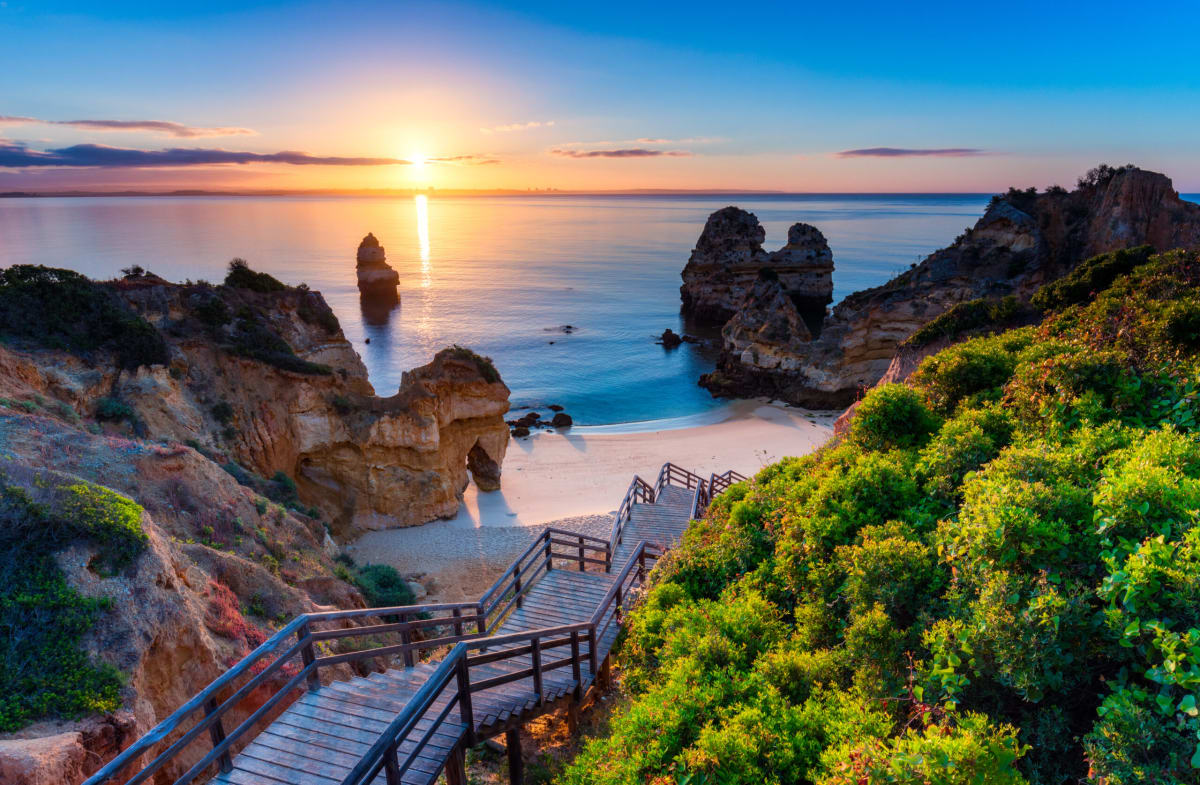
Portugal
Property for sale in Portugal is no longer concentrated in the Algarve. Prices run from around €20,000 (£17,000) to over €1m, with more than 1,000 homes under €100,000.
The Algarve still holds most of the stock, while the Porto district and Madeira return more for the same budget. Use the filters to narrow by region, price and property type.
Get your exclusive Viewing Trip Guide
Plan the perfect trip
- Shortlist the right properties
- Get expert local guidance
- Seamless coordination
Why buy property in Portugal
Portugal is no longer concentrated in the Algarve, and that is where the value has moved. Prices run from around €20,000 to over €1m, with more than 1,000 homes under €100,000. The Algarve stays busiest, but the Silver Coast, the Porto district, Madeira and the Azores all return more house for the same budget. Madeira and the Azores work for year-round living rather than a summer-only home. Buyer costs centre on IMT transfer tax, charged on a sliding scale, plus stamp duty at 0.8% of the IMT value.
Frequently asked questions about buying property in Portugal
What is the average price of an apartment in Portugal?
For more information on how to buy in Portugal download our guide.
What is the average price of 2 - 3 bedroom property in Portugal?
What is the price difference between 2 and 3 bedroom properties in Portugal?
How many properties under €100,000 are there in Portugal?
What can I buy in Portugal for my budget of €100,000?
What can I buy in Portugal for my budget of €300,000?
What can I buy in Portugal for my budget of €500,000?
How many properties have a pool in Portugal?
Can foreigners buy property in Portugal?
Yes—foreigners can buy property in Portugal with no general requirement to be a resident.
The practical “must-haves” are getting a Portuguese tax number (NIF), using an independent lawyer for due diligence, and completing the purchase through the formal deed/registration steps so ownership is properly recorded.
Many overseas buyers also open a Portuguese bank account early to simplify deposits, tax payments, and completion funds.
For further information on how to buy a property in Portugal as a foreigner download our Portugal Buying Guide.
What is the buying process in Portugal?
A typical Portugal purchase goes:
(1) agree terms,
(2) lawyer checks title/charges and key documents (e.g., property registry extracts),
(3) sign the promissory contract (CPCV) and pay a deposit,
(4) arrange finance and final checks,
(5) sign the final deed (commonly referred to as the escritura or equivalent formalised deed) and transfer funds,
(6) register ownership so your rights are protected. The CPCV is important because it’s usually the point where commitments become much harder to unwind.
In most cases an estate agent will assist with this process. We strongly recommend appointing an independent lawyer if you are considering a property purchase or investment in Portugal.