
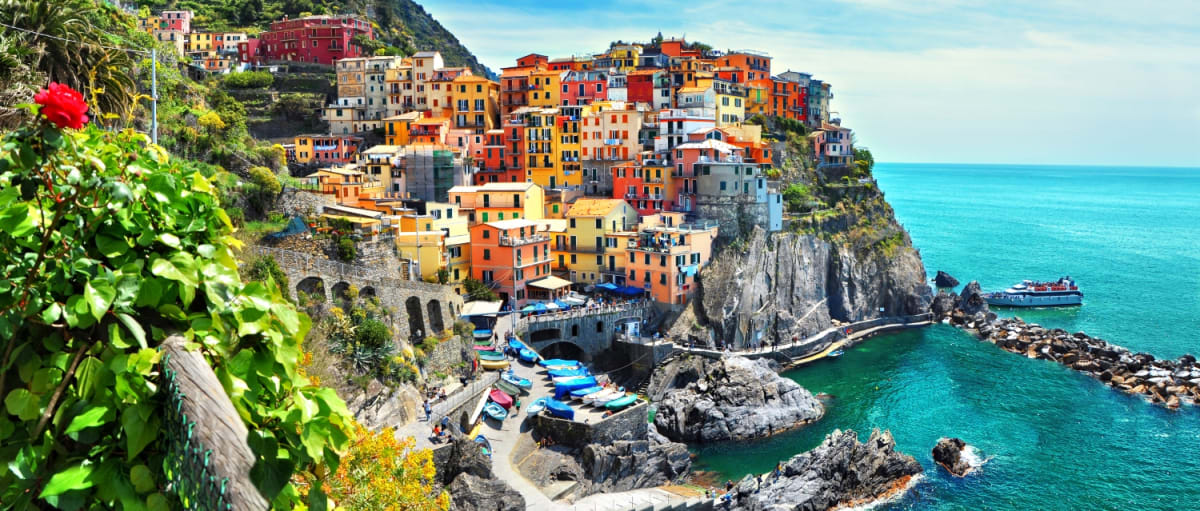
Italy
Property for sale in Italy divides between move-in homes and restoration projects, and the asking price rarely shows which is which. Prices run from around €20,000 (£17,000) to over €2m, with 504 homes under €100,000.
Tuscany and the northern lakes sit at the top, while Umbria, Abruzzo, Apulia and Sicily return far more house for the money. Use the filters to narrow by region, price and property type.
Get your exclusive Viewing Trip Guide
Plan the perfect trip
- Shortlist the right properties
- Get expert local guidance
- Seamless coordination
Why buy property in Italy
Italy offers the widest gap between entry and prime of any market we cover. Prices run from around €20,000 for a village house needing work to over €2m for a Tuscan estate, with 1,693 homes inside a €300,000 budget. Tuscany, Umbria and the northern lakes carry the recognisable names and the prices to match, while Abruzzo, Apulia, Sicily and Sardinia return considerably more space for the same money. Restoration is the norm rather than the exception, and the cost of the work is rarely reflected in the asking price.
Frequently asked questions about buying property in Italy
What is the average price of an apartment in Italian Republic?
For more information on how to buy in Italy download our guide.
What is the average price of 2 - 3 bedroom property in Italian Republic?
What is the price difference between 2 and 3 bedroom properties in Italian Republic?
How many properties under €100,000 are there in Italian Republic?
What can I buy in Italian Republic for my budget of €100,000?
What can I buy in Italian Republic for my budget of €300,000?
What can I buy in Italian Republic for my budget of €500,000?
How many properties have a pool in Italian Republic?
What taxes and fees should I budget for when buying property in Italy?
Buyer costs in Italy depend on whether you’re buying a resale or new build, whether it’s a primary residence or second home, and the seller type.
Typical items include purchase tax (registration tax or VAT/IVA depending on the transaction), cadastral and mortgage taxes, notary fees, and often agency fees.
You may also need a geometra/surveyor check and translations.
Ongoing costs can include IMU (often relevant for second homes), local services taxes, building insurance, and condominio charges for apartments.
Visit our Italy Experts directory for further information on various experts to assist you with your property purchase in Italy.
Can foreigners buy property in Italy?
Yes—foreigners can buy property in Italy, including non-residents. In many cases the process is straightforward, but some non-EU buyers may need to meet Italy’s reciprocity principle (your notary/lawyer can confirm based on nationality).
The purchase is completed before an Italian notary (notaio), who verifies the legal title and registers the deed. Buying property does not automatically give you residency, so plan visas/residency separately if you want to stay long-term.